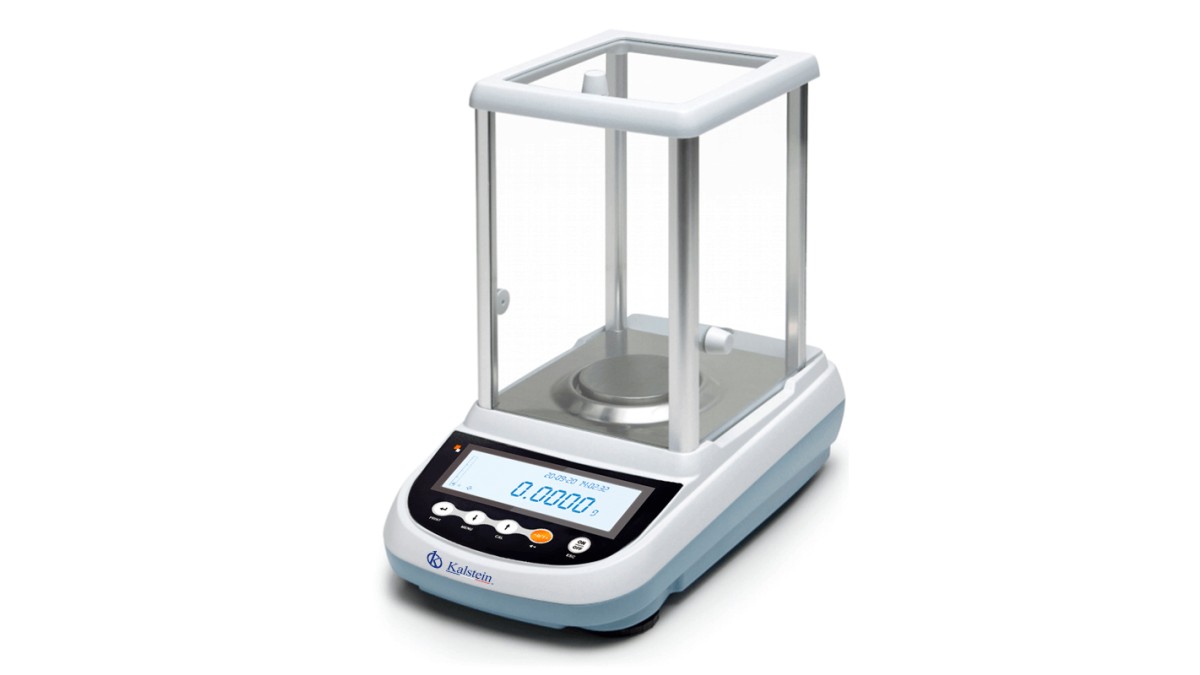
Analytical Balances: Applications and Techniques 2026
Analytical balances are precision instruments widely used in laboratories for accurate measurement of mass at a very fine scale. These devices are pivotal in various fields, including research, biotechnology, and academia, where precision is paramount. In this article, we will explore the applications of analytical balances, their historical evolution, practical usage, best techniques, regulations, and a comparison of available models.
What is it used for in 2026
In 2026, analytical balances are predominantly used in laboratories for tasks that require high precision in mass measurement. This includes applications in pharmaceuticals, chemical analysis, food safety testing, and material science. Analytical balances excel in providing accurate measurements for sample preparation, formulation, and quality control processes. Their ability to weigh small quantities with accuracy makes them essential in research settings where minute variations can impact results.
History and evolution of the technology
The evolution of analytical balances dates back several centuries, beginning with the invention of the balance scale in ancient civilizations. Traditional balances were replaced by mechanical balances, which improved precision. With advancements in technology, electronic analytical balances emerged, offering digital displays, internal calibration capabilities, and enhanced sensitivity. Today, these balances incorporate sophisticated features such as automatic calibration, connectivity options, and advanced weighing algorithms that enhance their functionality and ease of use.
How to use it step by step
Using an analytical balance effectively involves several steps:
- Preparation: Ensure that the balance is placed on a stable, vibration-free surface. Check that the balance is calibrated and zeroed before use.
- Placement of Weighing Vessel: Use a clean, dry weighing vessel or container. Place it on the balance pan and tare the balance to zero.
- Sample Measurement: Carefully add the sample to the weighing vessel. Avoid any spillage or contamination.
- Reading the Measurement: Allow the balance to stabilize and read the measurement. Record the data as required.
- Cleanup: After measurement, remove the vessel, clean the balance, and return it to its protective cover if applicable.
Best techniques and protocols
Implementing best techniques and protocols is crucial for obtaining accurate measurements with analytical balances. Some key practices include:
- Ensure the balance is level and calibrated regularly.
- Allow the balance to warm up before use as per the manufacturer's guidelines.
- Minimize airflow disturbances by using draft shields when necessary.
- Use appropriate weighing vessels that do not interfere with the measurements.
- Perform regular cleaning and maintenance to ensure optimal performance.
Practical applications by laboratory type
Analytical balances find applications across various laboratory types, including:
- Research Laboratories: Used for precise sample measurements in experiments, formulations, and chemical analysis.
- Pharmaceutical Laboratories: Critical for measuring active ingredients and compounds with high accuracy in drug formulation.
- Food Safety Laboratories: Essential for testing food samples, ensuring compliance with safety standards.
- Academic Institutions: Employed in teaching laboratories for demonstrating measurement techniques and conducting experiments.
Regulations, standards and certifications
Analytical balances must comply with various regulations and standards to ensure reliable performance. Key certifications include ISO standards for laboratory equipment, GLP (Good Laboratory Practice) guidelines, and relevant ASTM (American Society for Testing and Materials) specifications. Following these standards helps maintain the integrity of measurements and ensures compliance in regulated industries.
Comparison with alternative technologies
Analytical balances are often compared to other weighing technologies like top-loading balances and precision scales. While top-loading balances are suitable for general laboratory use, analytical balances offer higher sensitivity and precision, making them the preferred choice for applications requiring meticulous measurement. Precision scales, while accurate, may not provide the same level of detail as analytical balances.
Comparison of available models
| Model | Best for | Key specs | Recommended use case |
|---|---|---|---|
| YR05568 | High-precision applications | Capacity: 220g, Resolution: 0.1mg, Price: $790.00 | Research and pharmaceutical formulations |
| YR05569 | General laboratory use | Capacity: 310g, Resolution: 0.1mg, Price: $825.00 | Academic and routine testing |
| YR05570 | Advanced chemical analysis | Capacity: 410g, Resolution: 0.1mg, Price: $1080.00 | Material science research |
| YR05571 | Formulation and quality control | Capacity: 510g, Resolution: 0.1mg, Price: $1125.00 | Pharmaceutical development |
| YR05572 | High-capacity weighing | Capacity: 610g, Resolution: 0.1mg, Price: $1240.00 | Large sample testing in research |
| YR05573 | Jewelry and high-precision fields | Capacity: 100g, Resolution: 0.0001g, Price: $325.00 | Jewelry weighing and laboratory experiments |
Common mistakes and how to avoid them
Common mistakes in using analytical balances include:
- Not calibrating the balance regularly, leading to inaccurate measurements.
- Ignoring environmental factors such as drafts and vibrations that can affect readings.
- Using inappropriate containers that can alter the weight measurement.
- Failing to zero the balance before weighing, which can result in systematic errors.
To avoid these mistakes, ensure a routine maintenance schedule and adhere to best practices in measurement techniques.
Maintenance, calibration and good practices 2026
Maintaining analytical balances involves regular cleaning, calibration, and following good practices:
- Clean the balance pan and surrounding area regularly to prevent contamination.
- Calibrate the balance as per manufacturer instructions, ideally before major tasks.
- Store the balance with protective covers to keep dust and debris away.
Implementing these practices ensures optimal performance and longevity of the analytical balance.
Cost-benefit analysis 2026
When evaluating the cost-benefit of analytical balances in 2026, consider the following:
- Initial investment: Analytical balances may have a higher upfront cost compared to other scales, but their precision can lead to better results in research and development.
- Operational savings: Accurate measurements reduce waste and errors, leading to cost savings in materials and time.
- Regulatory compliance: Investing in high-quality analytical balances can help meet industry standards, avoiding potential fines or compliance issues.
Overall, the long-term benefits and enhanced productivity often outweigh the initial costs, making analytical balances a valuable investment for laboratories.
Frequently asked questions
How do I choose the right analytical balance for my laboratory?
Choosing the right analytical balance involves considering your specific measurement needs, including capacity, sensitivity, and application type. Evaluate whether you require features like internal calibration, draft shields, and connectivity options to suit your workflow.
What maintenance is required for analytical balances?
Maintenance for analytical balances includes regular cleaning of the balance pan, calibration as per manufacturer guidelines, and ensuring the balance is kept in a stable environment free from vibrations and drafts.
How can I ensure accurate measurements?
To ensure accurate measurements, always calibrate the balance before use, use appropriate weighing containers, allow the balance to warm up, and minimize environmental disturbances like drafts and vibrations.
What are the benefits of internal calibration?
Internal calibration allows for automatic adjustments to maintain accuracy over time, reducing the need for manual calibration and ensuring that the balance provides consistent results despite environmental changes.
How often should I calibrate my analytical balance?
It is recommended to calibrate your analytical balance at least once a day or before significant measurements. Regular calibration helps maintain accuracy and compliance with industry standards.
What is the maximum weight I can measure with an analytical balance?
The maximum weight you can measure depends on the specific model of the analytical balance. Typically, models can measure up to 610 grams, but it is essential to refer to the balance specifications for exact limits.
Where can I request a quote for analytical balances?
You can request a quote for analytical balances by visiting our online platform, where we offer various models at competitive prices tailored to your laboratory needs.
If you are looking for a fusion of innovation and quality, you have come to the right place. At Kalstein, we offer you the luxury of exploring our exclusive catalog of laboratory equipment. We manufacture every device to the highest standards of excellence. Our intuitive and seamless online purchasing channels are designed for your convenience, securing the most competitive prices. Hesitate no longer — we bring science to life, it is time to become part of our community.