Applications of Veterinary Surgical Tools in University Research Projects
Veterinary surgical tools are pivotal in advancing academic research, providing essential functionality for various surgical procedures. As research institutions strive to enhance their veterinary programs, understanding the applications of these tools is critical. This article evaluates specific models, discussing their best uses in university settings while aligning with various academic project requirements.
Understanding the Role of Veterinary Surgical Tools in Research
Veterinary surgical tools, such as multifunctional devices and specialized saws, play a crucial role in research, particularly in studies involving animal health and surgical methodologies. These tools enable students and researchers to conduct intricate procedures essential for experiments and hands-on learning. Furthermore, incorporating advanced equipment into the curriculum fosters a deeper understanding of surgical techniques and promotes innovative research outcomes.
Comparison of Available Models
| Model | Key Features | Best For |
|---|---|---|
| YR06126 | High versatility, multiple adapters, suitable for various surgeries | Advanced veterinary surgical procedures and research |
| YR06127 | Lightweight, ergonomic design, ideal for small animals | Small animal surgeries and educational demonstrations |
| YR06128 | Specifically designed for TPLO surgeries, high precision | Orthopedic research and complex surgeries |
Utilizing Surgical Tools for Academic Projects
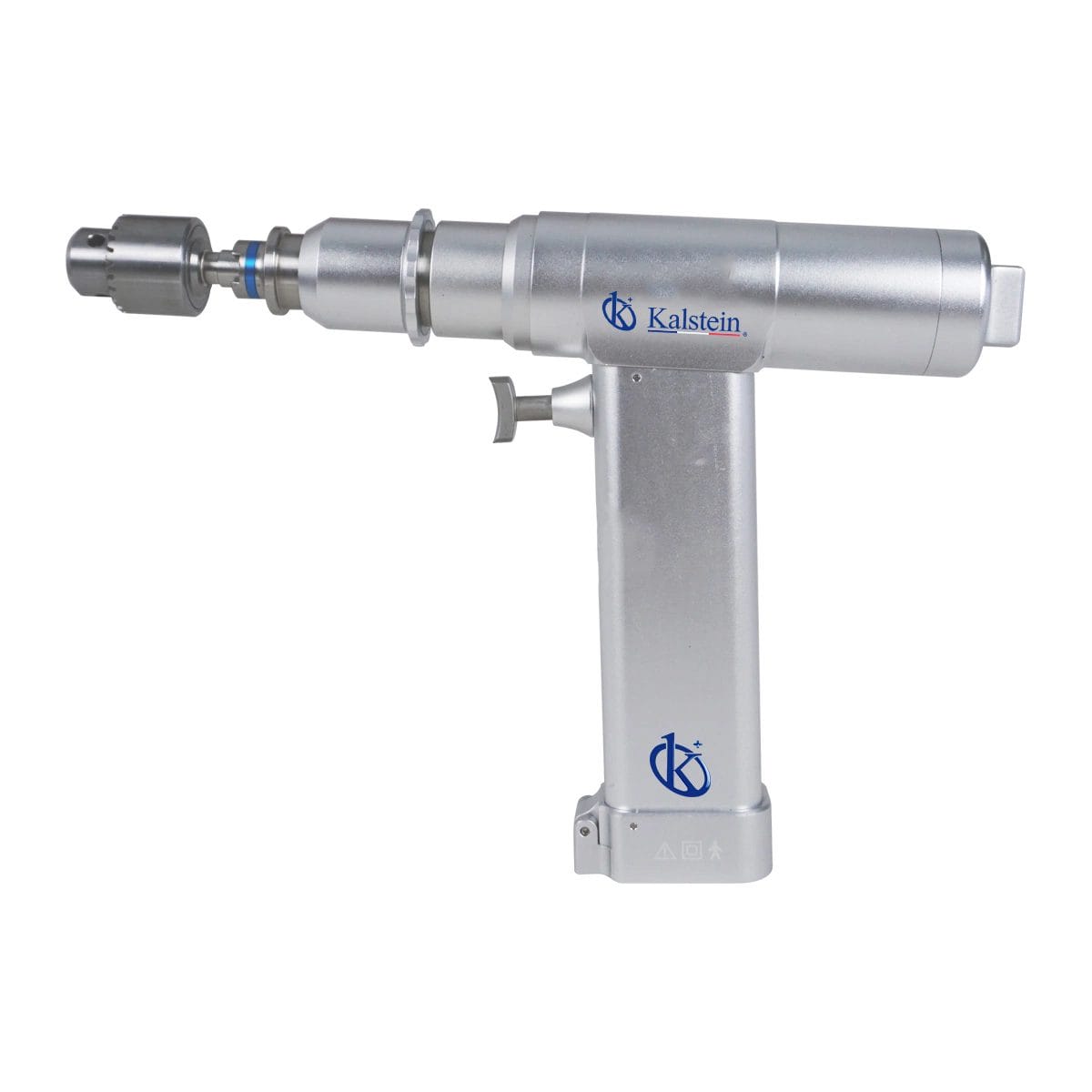
When considering veterinary surgical tools for academic projects, it is essential to select models that align with the project's objectives. For instance, the Electric Multifunction Tool for Veterinary Surgery YR06126 excels in its versatility, making it suitable for a variety of surgical applications, from orthopedic procedures to neurological interventions. In contrast, the Micro/Mini Multifunctional Veterinary Tool for Small Animals YR06127 is designed for smaller patients, ensuring precision in delicate operations, crucial in a teaching environment.
Key Considerations for Selecting Surgical Tools in Academia
Several factors must be evaluated when selecting the appropriate surgical tools for university research projects. These include the tool's versatility, ease of use, safety features, and compatibility with various procedures. The YR06128 Veterinary TPLO Saw, known for its precision in tibial plateau leveling osteotomies, exemplifies the importance of specialized equipment tailored to specific research needs, ensuring optimal outcomes in surgical studies.
Common Mistakes and How to Avoid Them
In the context of academic projects, common mistakes include overlooking the specific requirements of the research and failing to provide adequate training on the tools. To avoid these pitfalls, it is essential to conduct thorough research and ensure that all users are well-trained in the operational protocols of the chosen models, such as the YR06126 and YR06127. Adequate training enhances the safety and efficacy of surgical procedures.
Best Practices for Implementing Surgical Tools in Research
Successful implementation of veterinary surgical tools in research necessitates a strategic approach. Establishing clear protocols for usage, maintenance, and safety can significantly enhance research efficiency. Additionally, fostering collaboration among students and faculty can lead to innovative applications of these tools in ongoing research projects. For example, utilizing the YR06128 for complex orthopedic studies can yield significant insights into surgical outcomes.
Evaluating the Impact of Veterinary Surgical Tools on Research Outcomes
The impact of utilizing veterinary surgical tools in academic research can be profound. By employing advanced tools such as the YR06127, researchers can achieve higher precision and success rates in surgical interventions. It is vital to assess the outcomes of research projects to determine the effectiveness of the tools used, ensuring continuous improvement in veterinary education and surgical practices.
Frequently Asked Questions
What are the best veterinary surgical tools for academic research projects?
The best veterinary surgical tools include the Electric Multifunction Tool for Veterinary Surgery YR06126 for versatility and the Micro/Mini Multifunctional Veterinary Tool for Small Animals YR06127 for precision in small animal surgeries. Both tools are designed to meet the diverse needs of academic research.
How do I choose the right surgical tool for university veterinary projects?
Choosing the right surgical tool involves evaluating the specific requirements of your project. For instance, the YR06128 is ideal for orthopedic studies, while the YR06127 is better suited for smaller surgeries, ensuring you select the most appropriate tool for your needs.
What is the importance of training in using veterinary surgical tools for research?
Training is crucial to ensure the safe and effective use of veterinary surgical tools. Proper training minimizes the risk of errors, especially when using complex instruments like the YR06126, enhancing research outcomes and ensuring compliance with safety standards.
How can veterinary surgical tools improve research quality in universities?
Veterinary surgical tools enhance research quality by providing precise and reliable functionality in surgical procedures. For example, the YR06128 allows for accurate orthopedic surgeries, leading to better study results and improvements in surgical protocols in academic settings.
What role do multifunctional tools play in veterinary surgical education?
Multifunctional tools, such as the YR06126, play a significant role in veterinary surgical education by allowing students to practice various techniques. This exposure helps in developing their skills and understanding the intricacies of veterinary surgery in a controlled environment.
How can veterinary surgical tools facilitate collaborative research in universities?
Veterinary surgical tools facilitate collaborative research by providing shared resources that various departments can utilize. For example, the YR06127 can be used across different studies involving small animals, promoting teamwork and interdisciplinary approaches in research projects.
What specific features should I look for in veterinary surgical tools for research?
When selecting veterinary surgical tools for research, look for features like versatility, ergonomics, safety protocols, and compatibility with various procedures. Tools like the YR06126 offer multiple functionalities that can adapt to different surgical needs in academic research.
How can I assess the effectiveness of veterinary surgical tools in my research?
Assess the effectiveness of veterinary surgical tools by monitoring surgical outcomes, analyzing success rates, and gathering feedback from users. Evaluating tools like the YR06128 in orthopedic studies can provide insights into their impact on research quality.
If you are looking for a fusion of innovation and quality, you have come to the right place. At Kalstein, we offer you the luxury of exploring our exclusive catalog of laboratory equipment. We manufacture every device to the highest standards of excellence. Our intuitive and seamless online purchasing channels are designed for your convenience, securing the most competitive prices. Hesitate no longer — we bring science to life, it is time to become part of our community.