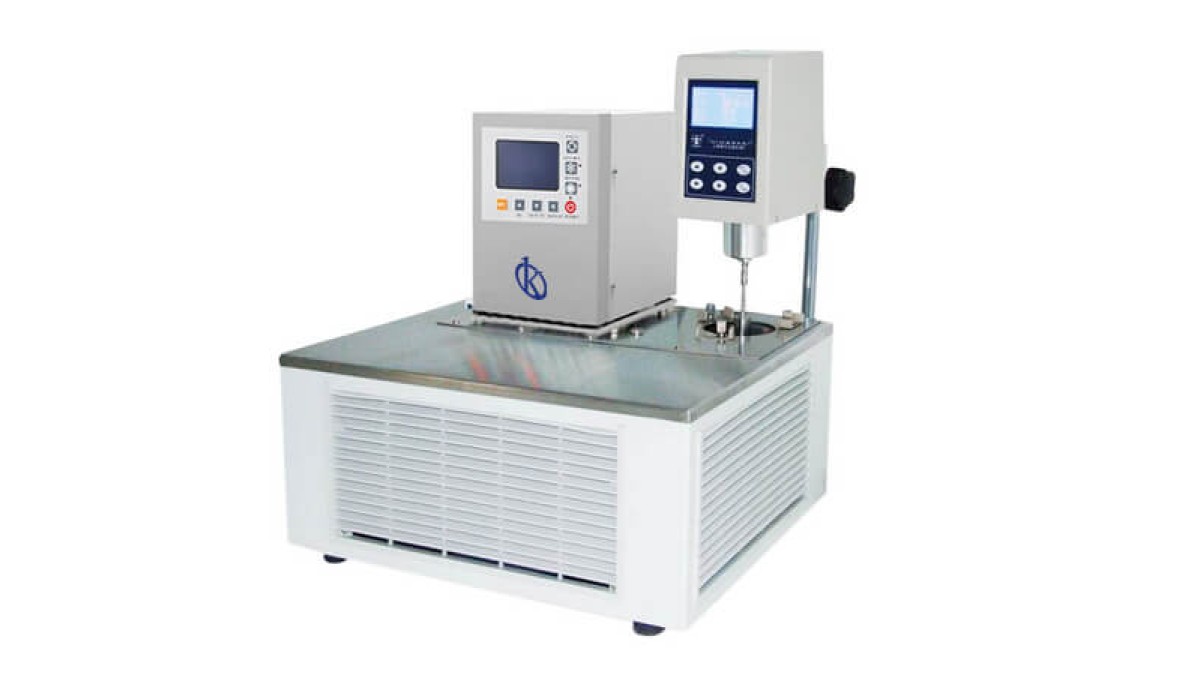
Bath Circulators: Common Mistakes and How to Avoid Them in Daily Operation 2026
What is it used for in 2026
Bath circulators are essential laboratory devices designed for precise temperature control in various applications. In 2026, these instruments are used across numerous fields, including life sciences, chemical synthesis, and electronic component testing. They maintain a stable temperature of liquids, making them ideal for experiments requiring accurate thermal control.
History and evolution of the technology
The technology behind bath circulators has evolved significantly over the past decades. Initially, simple water baths were used without sophisticated temperature controls. Over time, advancements led to the integration of PID control systems, which allow for precise temperature adjustments with minimal fluctuations. Innovations in compressor technology have also improved the efficiency and reliability of these devices, making them a staple in modern laboratories.
How to use it step by step
Using a bath circulator efficiently involves several steps:
- Set Up: Place the bath circulator on a stable surface and ensure it is level.
- Fill the Bath: Fill the bath with the appropriate liquid, usually water or a specific solution, making sure to follow safety guidelines.
- Connect the Power: Plug the device into a power source and turn it on.
- Set the Temperature: Use the control panel to set the desired temperature. Ensure the PID settings are appropriately adjusted.
- Run the Circulator: Allow the circulator to reach the set temperature before placing any samples inside.
- Monitor: Continuously monitor the temperature and adjust settings if needed.
- After Use: Turn off the circulator, empty the bath, and clean the device per manufacturer instructions.
Best techniques and protocols
To achieve optimal results with bath circulators, follow these best techniques:
- Always calibrate your device before use.
- Use thermocouples or digital thermometers to verify temperature accuracy.
- Maintain a clean environment to prevent contamination of the cooling medium.
- Regularly check for leaks and wear in hoses and connectors.
- Document all settings and results for future reference and reproducibility.
Practical applications by laboratory type
Bath circulators find applications in various laboratory types:
- Research Laboratories: Ideal for experiments requiring precise thermal conditions.
- Quality Control: Used for testing materials under controlled temperature environments.
- Educational Institutions: Provide students hands-on experience with temperature control techniques.
- Pharmaceutical Labs: Essential for maintaining stability in drug formulation testing.
Regulations, standards and certifications
Bath circulators must comply with various regulations and certifications to ensure safety and efficacy. Key standards include:
- ISO 9001 for quality management systems.
- CE marking for compliance with European health, safety, and environmental protection standards.
- UL certification for safety in the United States.
Comparison with alternative technologies
While bath circulators are effective, other technologies exist for temperature control:
- Water Baths: Simpler and more economical, but less precise in temperature control.
- Chillers: Suitable for large-scale applications but may lack the versatility of bath circulators.
- Cooling Mantles: Ideal for round-bottom flasks but limited in temperature range compared to circulators.
Comparison of available models
| Model | Best for | Key specs | Recommended use case |
|---|---|---|---|
| YR04985 | Viscometry | Temperature range: -5 ~ 99.9°C, PID control | Precise temperature control for viscosity measurements |
| YR04999 | Electronics Testing | Temperature range: -30 ~ 100°C, high efficiency | Constant temperature environment for electronic component testing |
| YR04996 | Chemical Synthesis | Temperature range: -5 ~ 100°C, PID control | Reliable temperature control for chemical reactions |
| YR04988 | Life Sciences | Temperature range: -20 ~ 100°C, precise control | Stable conditions for biological experiments |
| YR04989 | Material Testing | Temperature range: -30 ~ 100°C, high flow | Testing materials under temperature stress |
| YR04986 | General Laboratory Use | Temperature range: -5 ~ 100°C, low noise | Versatile use in various laboratory settings |
Common mistakes and how to avoid them
Users often make mistakes that can compromise the effectiveness of bath circulators. Common pitfalls include:
- Inadequate Calibration: Always calibrate your circulator before use to ensure accurate readings.
- Overfilling the Bath: Adhere to the manufacturer's recommendations to avoid spills and overheating.
- Ignoring Maintenance: Regularly clean and maintain the device to prevent malfunctions.
- Neglecting to Monitor Temperature: Continuously check temperature readings to avoid deviations that could affect experiments.
Maintenance, calibration and good practices 2026
To ensure longevity and precision in your bath circulator:
- Follow the manufacturer’s guidelines for routine maintenance.
- Calibrate the device regularly to maintain measurement accuracy.
- Use distilled water or appropriate liquids to prevent mineral build-up.
- Inspect for wear and tear, particularly in seals and hoses.
Cost-benefit analysis 2026
Investing in a bath circulator can seem costly, but the benefits greatly outweigh the expenses:
- Accuracy: Provides precise temperature control, minimizing experimental errors.
- Versatility: Suitable for a wide range of applications across different laboratory types.
- Time Efficiency: Faster setup and consistent results save time in research and testing.
Frequently asked questions
What should I consider when choosing a bath circulator?
Consider the temperature range, flow rate, and the specific applications you need the circulator for. Look for models with good thermal stability and user-friendly controls.
How often should I calibrate my bath circulator?
It is advisable to calibrate your bath circulator at least once every six months, or before starting a new set of experiments to ensure accuracy.
Can I use tap water in my bath circulator?
Using distilled water or a suitable solution is recommended to prevent mineral build-up and ensure optimal performance.
What maintenance is required for a bath circulator?
Regularly clean the bath, check for leaks, inspect hoses and seals, and calibrate the device according to the manufacturer's instructions.
Are there safety precautions I need to take?
Yes, always follow safety guidelines, including wearing appropriate personal protective equipment and following the manufacturer's operating instructions to prevent accidents.
How do I troubleshoot temperature fluctuations in my bath circulator?
Check the calibration, ensure the bath is filled to the correct level, and inspect for any blockages or leaks in the circulation system.
Where can I request a quote for bath circulators?
You can request a quote on Kalstein Plus for competitive pricing on high-quality bath circulators.
If you are looking for a fusion of innovation and quality, you have come to the right place. At Kalstein, we offer you the luxury of exploring our exclusive catalog of laboratory equipment. We manufacture every device to the highest standards of excellence. Our intuitive and seamless online purchasing channels are designed for your convenience, securing the most competitive prices. Hesitate no longer — we bring science to life, it is time to become part of our community.