Biosafety cabin YR06543
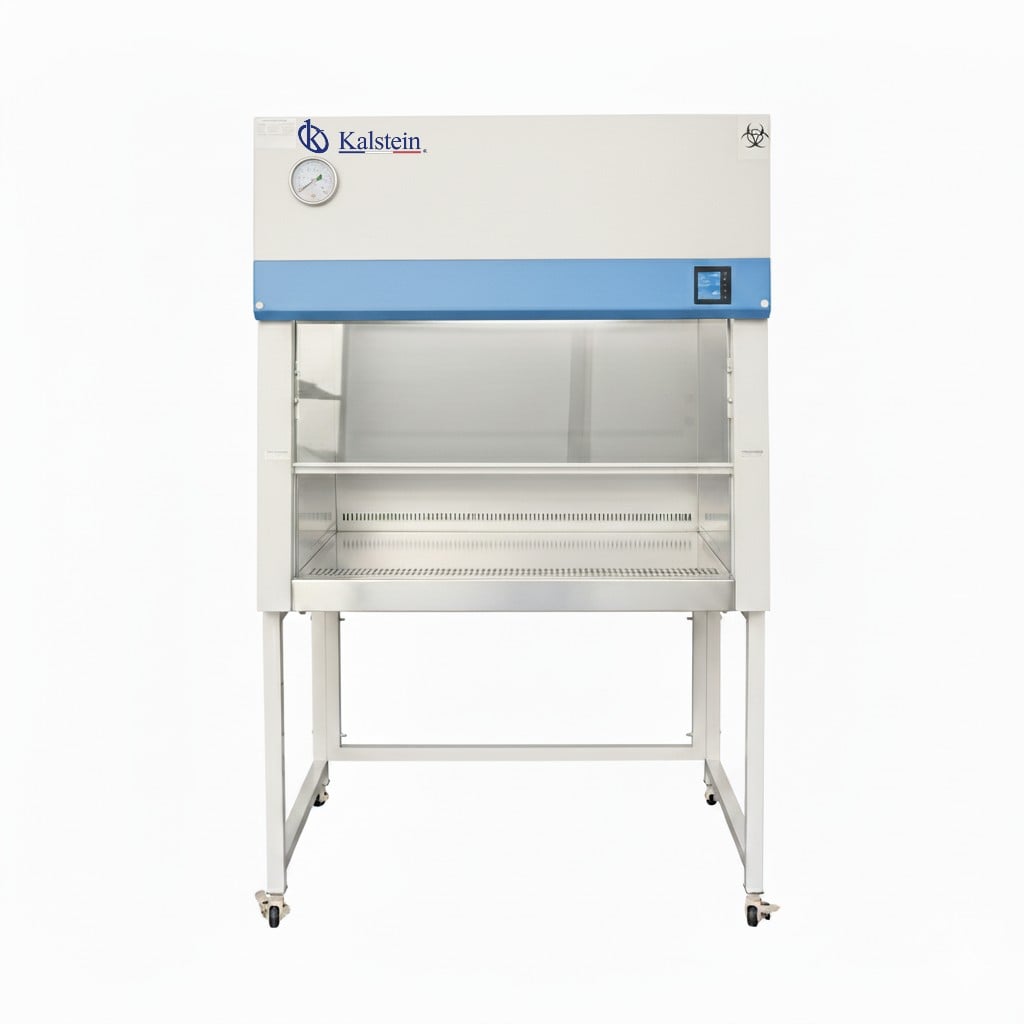
The biological safety cabinet, models YR06543 // YR06547 , is a state-of-the-art solution designed to protect personnel, products, and the environment thanks to its negative pressure system that prevents leaks. It operates on a principle of 70% internal circulation and 30% external discharge. The structure is made of high-quality cold-rolled steel and the work surface is made of corrosion-resistant physicochemical plate. Precision CNC laser cutting and electrostatic epoxy resin spray surface treatment ensure durability. The system integrates intelligent control with an LCD touch screen that allows intuitive understanding of the operating status. The cabinets comply with the international standard ISO14644.1 Class 5 (equivalent to the US Federal Standard 209E, Class 100).
This page provides an overview of the Biosafety cabin YR06543, including selection criteria, investment factors, operational advantages and maintenance recommendations. The aim is to support an informed decision before requesting a quotation.
This Kalstein model is available for laboratories across Latin America, Europe, Africa, the Middle East and Asia, with selection criteria adapted to the diversity of local purchasing, installation and support conditions in each region.
Key factors to consider
Before selecting the Biosafety cabin YR06543, confirm workflow, available space, required accessories and installation conditions. This prevents oversizing the purchase and helps prepare a more accurate quotation.
The Class II Type A2 biological safety cabinet is indispensable for handling low to moderate risk biological agents, such as viruses, bacteria, and cell cultures, which require biosafety. It is the standard choice in microbiology laboratories, hospitals, and biotechnology and pharmaceutical research centers, where protection of the product, personnel, and environment is essential. Its vibration control capability (half-wave: 3 μm) and stable airflow are essential for delicate experiments.
Across these markets, evaluation should consider varied local contexts such as international laboratory procurement spanning Latin America, Europe, Africa, the Middle East and Asia and match the product to the real workload of the laboratory in each country.
Market price range
The investment should be evaluated according to configuration, required accessories, installation conditions and available technical support.
The final price may vary according to configuration, accessories, logistics, warranty and territorial availability. Compare the technical sheet with the real laboratory workload before confirming the investment.
Budget comparison varies by country and should include the regulatory requirements specific to each market, the electrical conditions of each region, accessories, logistics and after-sales support.
Value for money
Advantages: Double filtration: uses external HEPA filters and downward ULPA/HEPA filters, ensuring up to 99.999% efficiency. Superior safety (negative pressure): the negative pressure design prevents leaks, thus protecting the operator and the environment. Optimized design: reasonable air duct and optimized negative pressure box for flow uniformity. High-performance German motor: uses a low-power, high-air-volume EBM motor. Durable construction: corrosion-resistant cold-rolled steel and epoxy resin surface treatment. Disadvantages: Environmental requirements: the working environment must be maintained between 10 and 30°C with relative humidity below 70%.
Value for money should be reviewed together with equipment stability, after-sales support, technical documentation and expected service life. A well-matched selection reduces downtime and improves return on investment.
Advantages and disadvantages
The Class II Type A2 biological safety cabinet is indispensable for handling low to moderate risk biological agents, such as viruses, bacteria, and cell cultures, which require biosafety. It is the standard choice in microbiology laboratories, hospitals, and biotechnology and pharmaceutical research centers, where protection of the product, personnel, and environment is essential. Its vibration control capability (half-wave: 3 μm) and stable airflow are essential for delicate experiments.
Main advantages include specialized application, integration with laboratory routines and accessory configuration. Limitations may include installation requirements, user training and preventive maintenance to preserve performance.
Expected lifespan based on use and maintenance
To ensure longevity and maximum safety: Perform regular maintenance on the filters and check the calibration of the imported sensor. Check that the working environment meets the temperature (10-30 °C) and humidity (below 70%) requirements. Periodically check the inlet flow velocity (average of 0.53 m/s to 0.56 m/s) and downward airflow velocity (average of 0.35 m/s) to ensure the effectiveness of negative pressure protection. Use heavy-duty casters (heavy-duty mobile wheels) for initial positioning and ensure that it is stable before use.
Service life depends on usage frequency, cleaning, storage, calibration when applicable and adherence to technical recommendations. A structured maintenance plan helps preserve accuracy, safety and operational continuity.
A support and spare-parts network deployed across Latin America, Europe, Africa, the Middle East and Asia helps preserve service continuity and plan preventive maintenance without extended downtime.
Specifications table for the Biosafety cabin YR06543
Biosafety cabin YR06543
Preguntas frecuentes
¿Cuál es la diferencia entre los filtros ULPA y HEPA? La serie G utiliza filtros ULPA de ultra alta eficiencia (99.999% de eficiencia), mientras que la serie D utiliza filtros HEPA de alta eficiencia (99.995% de eficiencia). Ambos son excelentes, pero ULPA ofrece un nivel ligeramente superior de pureza. ¿Cuál es la precisión del control del flujo de aire descendente? La precisión del control del flujo de aire descendente es de 0.015 m/s, lo que asegura la uniformidad y estabilidad del flujo para mantener la esterilidad en el área de trabajo. ¿Qué tamaños están disponibles? ¿Qué nivel de limpieza garantiza la cabina? La cabina garantiza el nivel 5 de la norma internacional ISO14644.1 (clase 100 US Federal 209E), un requisito estricto para ambientes sensibles.Ventajas y desventajas
Ventajas:
Doble filtración: utiliza filtros HEPA externos y filtros ULPA/HEPA descendentes, asegurando hasta un 99.999% de eficiencia. Seguridad superior (presión negativa): el diseño de presión negativa evita fugas, protegiendo así al operador y al medio ambiente. Diseño optimizado: conducto de aire razonable y caja de presión negativa optimizada para la uniformidad del flujo. Motor alemán de alto rendimiento: utiliza un motor EBM de bajo consumo y alto volumen de aire. Construcción duradera: acero laminado en frío resistente a la corrosión y tratamiento de superficie con resina epoxi.Desventajas:
Requisitos ambientales: el entorno de trabajo debe mantenerse entre 10 y 30°C con una humedad relativa por debajo del 70%. Peso de envío: el peso de envío es considerable, variando de 138 kg a 198 kg (dependiendo del tamaño), lo que puede complicar el transporte y la instalación. Limitaciones del flujo: aunque es un sistema de recirculación (70% interno), el 30% de descarga externa requiere un sistema de ventilación de escape.Uso del producto en el campo
La cabina de seguridad biológica Tipo A2 Clase II es indispensable para el manejo de agentes biológicos de bajo a moderado riesgo, como virus, bacterias y cultivos celulares, que requieren bioseguridad. Es la elección estándar en laboratorios de microbiología, hospitales y centros de investigación biotecnológica y farmacéutica, donde la protección del producto, el personal y el medio ambiente es esencial. Su capacidad de control de vibraciones (media onda: 3 μm) y flujo de aire estable son esenciales para experimentos delicados.Recomendaciones
Para asegurar la longevidad y máxima seguridad: Realizar mantenimiento regular en los filtros y verificar la calibración del sensor importado. Verifique que el entorno de trabajo cumpla con los requisitos de temperatura (10-30 °C) y humedad (por debajo del 70%). Verifique periódicamente la velocidad del flujo de entrada (promedio de 0.53 m/s a 0.56 m/s) y la velocidad del flujo de aire descendente (promedio de 0.35 m/s) para asegurar la efectividad de la protección de presión negativa. Use ruedas pesadas (ruedas móviles de servicio pesado) para la posición inicial y asegúrese de que sea estable antes de usar.| Description | YR06543 | YR06544 | YR06545 | YR06546 | YR06547 |
| Package Size (mm) | 110*100*140 | 130*100*140 | 160*100*140 | 190*100*140 | 210*100*140 |
| External Size (mm) | 900*760*2250 | 1100*760*2250 | 1300*760*2250 | 1500*760*2250 | 1800*760*2250 |
| Internal Size (mm) | 740*600*600 | 940*600*600 | 1140*600*600 | 1340*600*600 | 1640*600*600 |
| Light | LED fluorescent lamp with three conditions | ||||
| Work Surface | Brushed stainless steel SUS304# | ||||
| Cabinet | 1.0 mm thick cold-rolled steel sheet with epoxy resin coating on the surface | ||||
| Fan | Built-in fan 220V, 138W, diameter of 250mm | ||||
| Filter | Technical parameters of the high-efficiency partitionless filter | ||||
| Window | 5mm tempered glass | ||||
| Lighting and UV | UV disinfection lamp * 1, LED lamp 10W * 2 | ||||
| Electrical Outlets | Waterproof socket 10A * 2, installed on the back wall | ||||
| Voltage | 220V / 50HZ | ||||
| Filtration and Ventilation | Equipped with HEPA filter * 2, integrated centrifugal fan of 300W | ||||
| Airflow | 30% air exhaust, 70% air recirculation | ||||
| Control Panel | Digital LCD control panel | ||||
| Packaging | Complete packaging with rigid cardboard and wooden box | ||||
| Mobility | Heavy-duty wheels | ||||
Products related to model YR06543
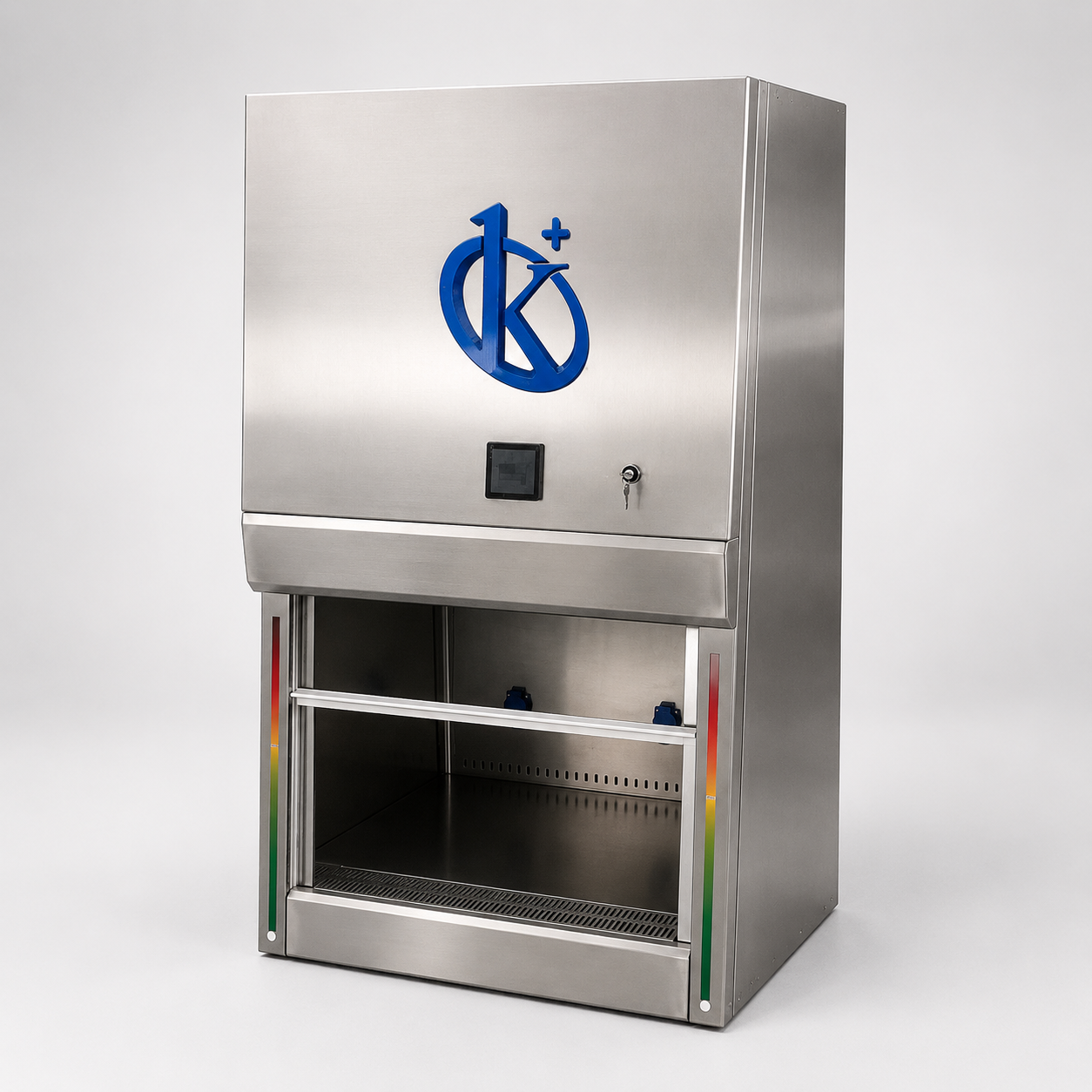
Class II Type A2 Biosafety Cabinet in AISI 304 Stainless Steel – Model YR0090-A-SS
Ver producto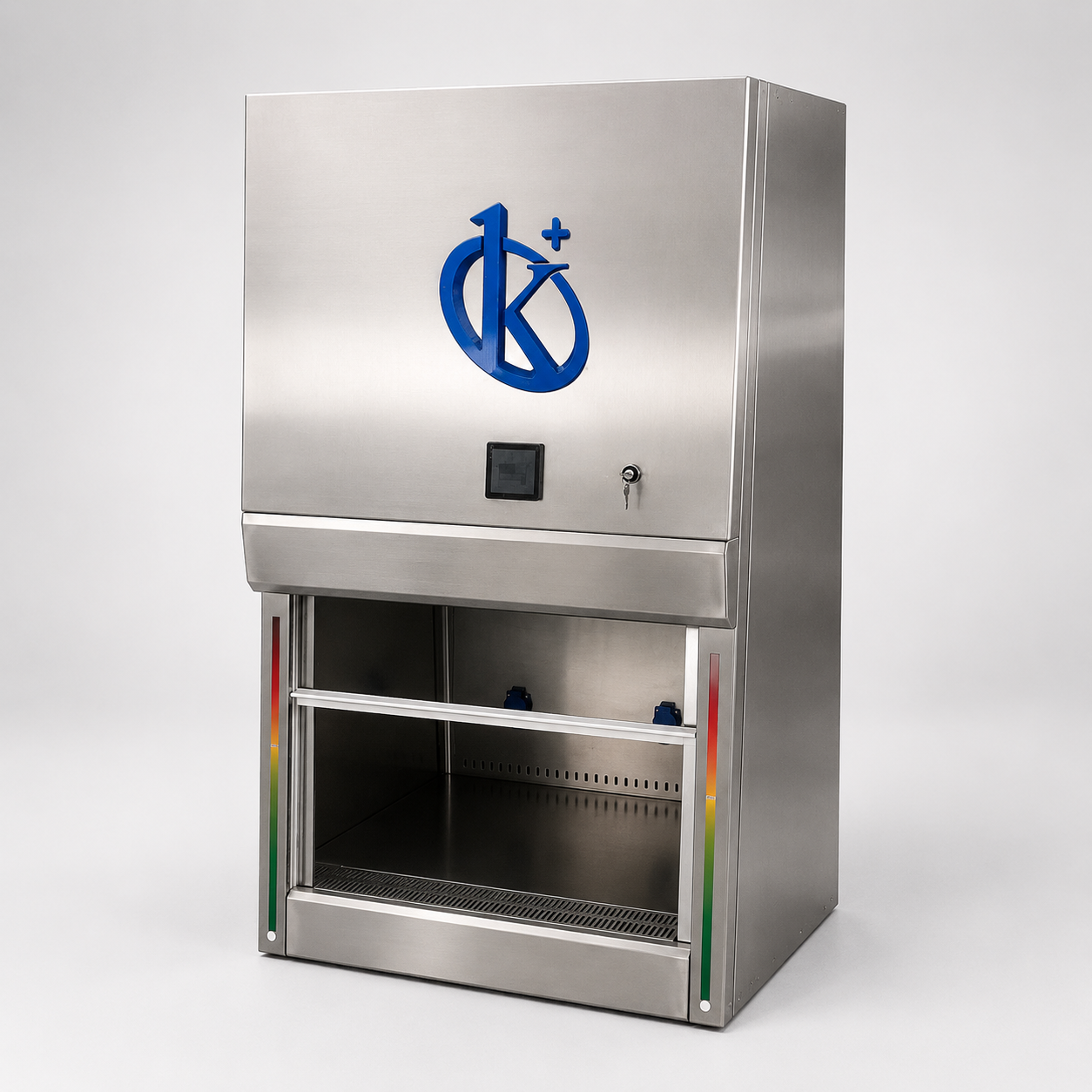
Class II Type A2 Biosafety Cabinet in AISI 304 Stainless Steel – Model YR0090C-SS
Ver producto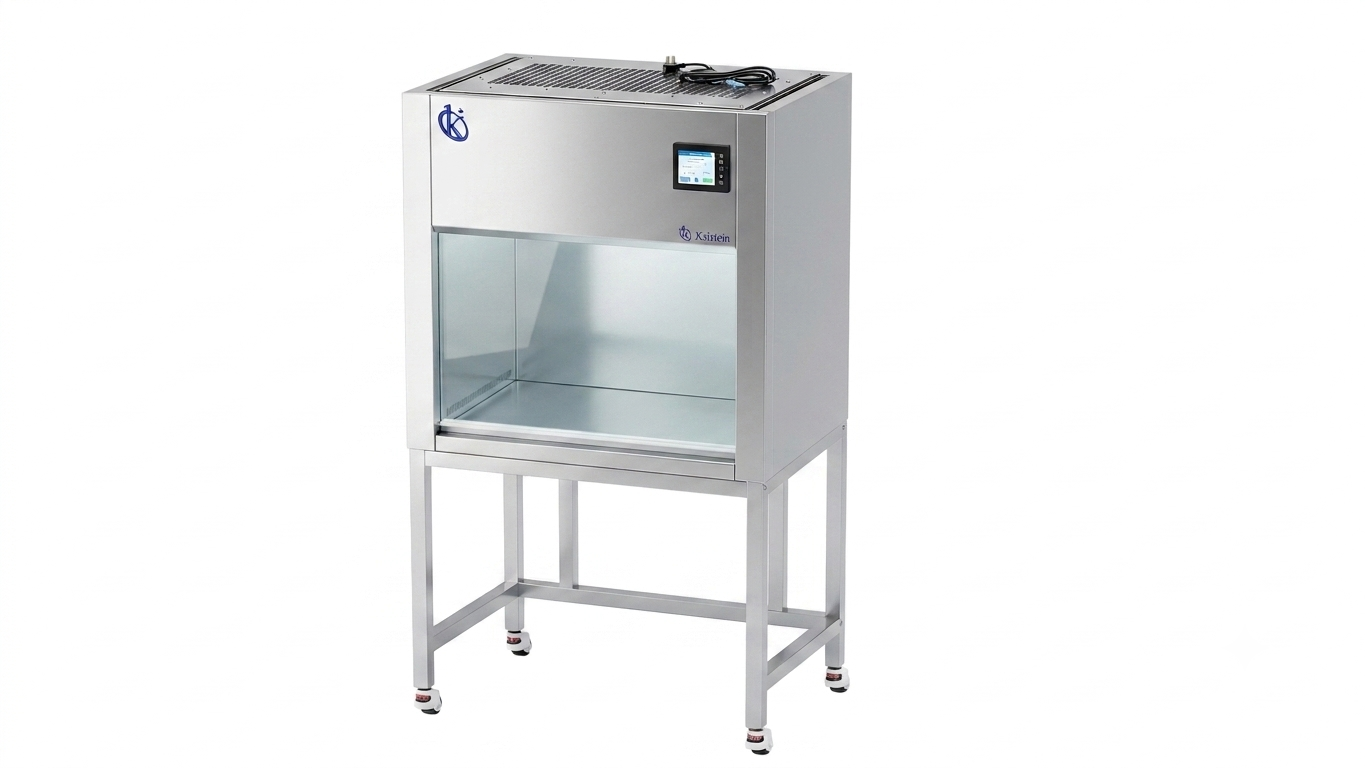
Vertical Laminar Flow Cabinet in Stainless Steel with HEPA H14 Filter – Model YR2026-56
Ver producto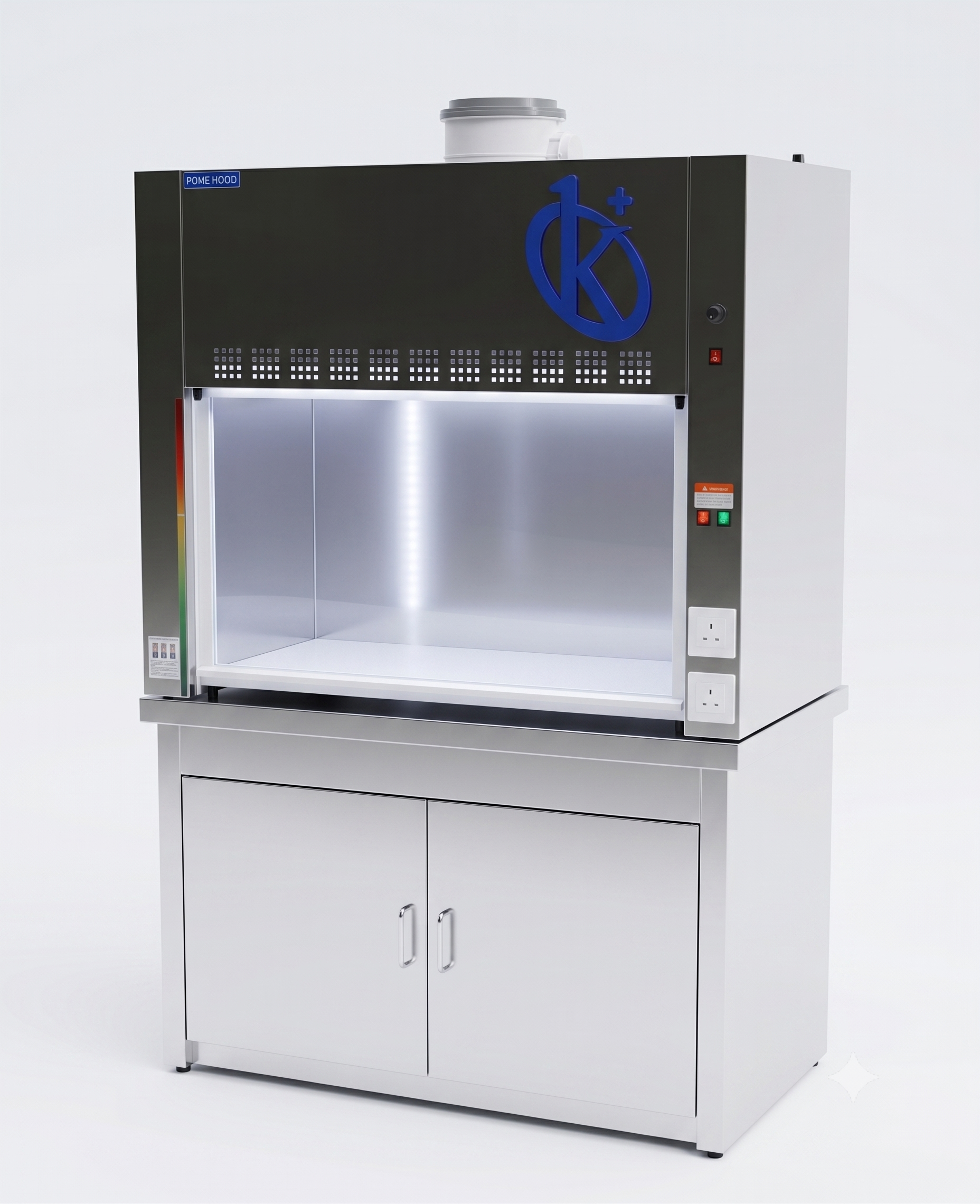
Floor Gas Extraction Hood in AISI 304 Stainless Steel - Model YR05820-SS
Ver producto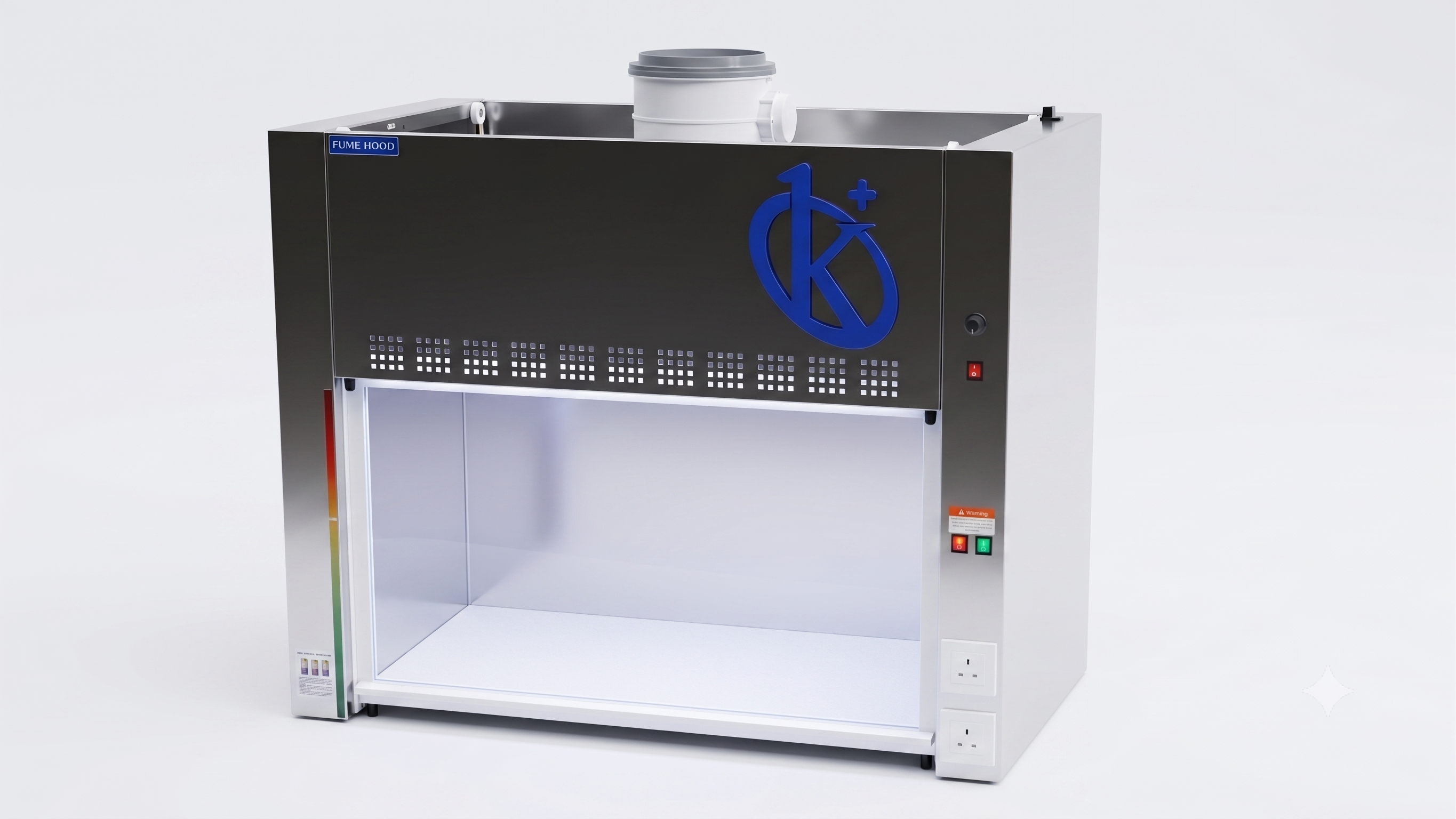
Stainless Steel AISI 304 Desktop Fume Extraction Hood – Model YR05810-SS
Ver producto
Desktop Fume hood YR06548//YR06552
Ver producto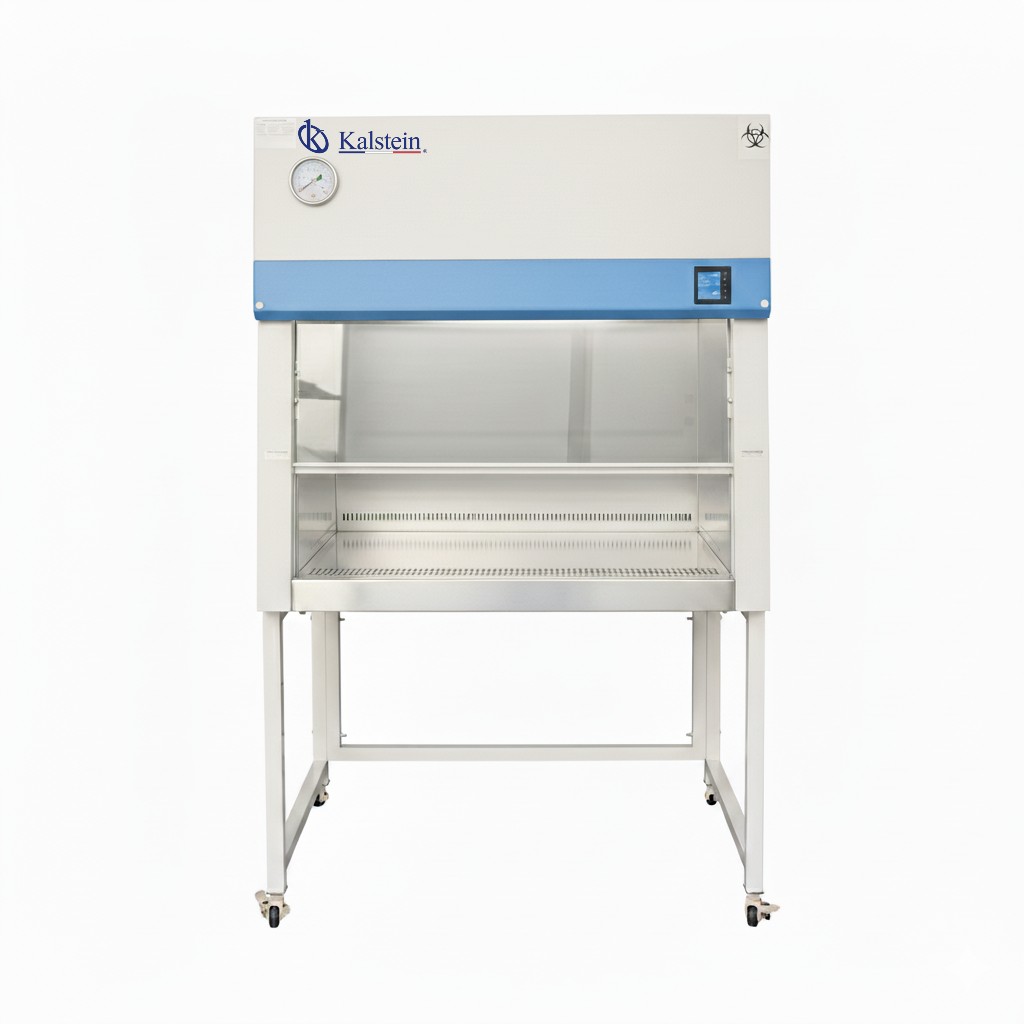
Biological safety cabinet YR06538 // YR06542
Ver producto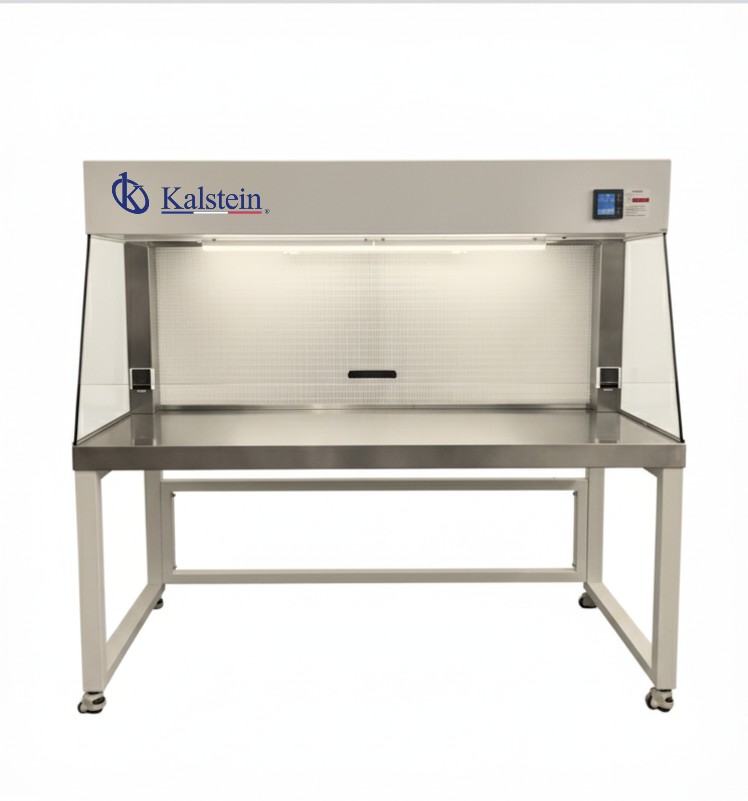
Horizontal laminar flow cabinet YR06533 // YR06537
Ver productoFrequently Asked Questions about the Biosafety cabin YR06543
What is the difference between ULPA and HEPA filters?
The G series uses ultra-high-efficiency ULPA filters (99.999% efficiency), while the D series uses high-efficiency HEPA filters (99.995% efficiency). Both are excellent, but ULPA offers a slightly higher level of purity.
What is the accuracy of the downward airflow control?
The accuracy of the downward airflow control is 0.015 m/s, which ensures uniformity and stability of the flow to maintain sterility in the work area.
What level of cleanliness does the cabinet guarantee?
The cabinet guarantees level 5 of the international standard ISO14644.1 (class 100 US Federal 209E), a strict requirement for sensitive environments.
How do I choose the right biosafety cabin yr06543 for my laboratory?
Selection should start from workload, critical technical parameters, available space and frequency of use. Kalstein can support the comparison between operational needs, budget and maintenance requirements to avoid choosing equipment that is oversized or insufficient.
What should I review before requesting a quotation?
Review the model, technical specifications, required accessories, electrical conditions, consumables, delivery timing and installation needs. With this information, the quotation can be prepared more accurately and aligned with the laboratory workflow.
Does Kalstein provide guidance for this type of equipment?
Yes. The commercial and technical team can support product evaluation, explain differences between models, answer application questions and advise on preventive maintenance, spare parts and documentation required for a secure purchase.
What maintenance helps extend the equipment lifespan?
Follow the manufacturer manual, perform regular cleaning, verify calibrations or controls when applicable, avoid workload abuse and keep maintenance records. Stable use and preventive routines reduce failures and improve operational continuity.