Biosafety Cabinets (Class II): Practical Step-by-Step Usage Guide 2026
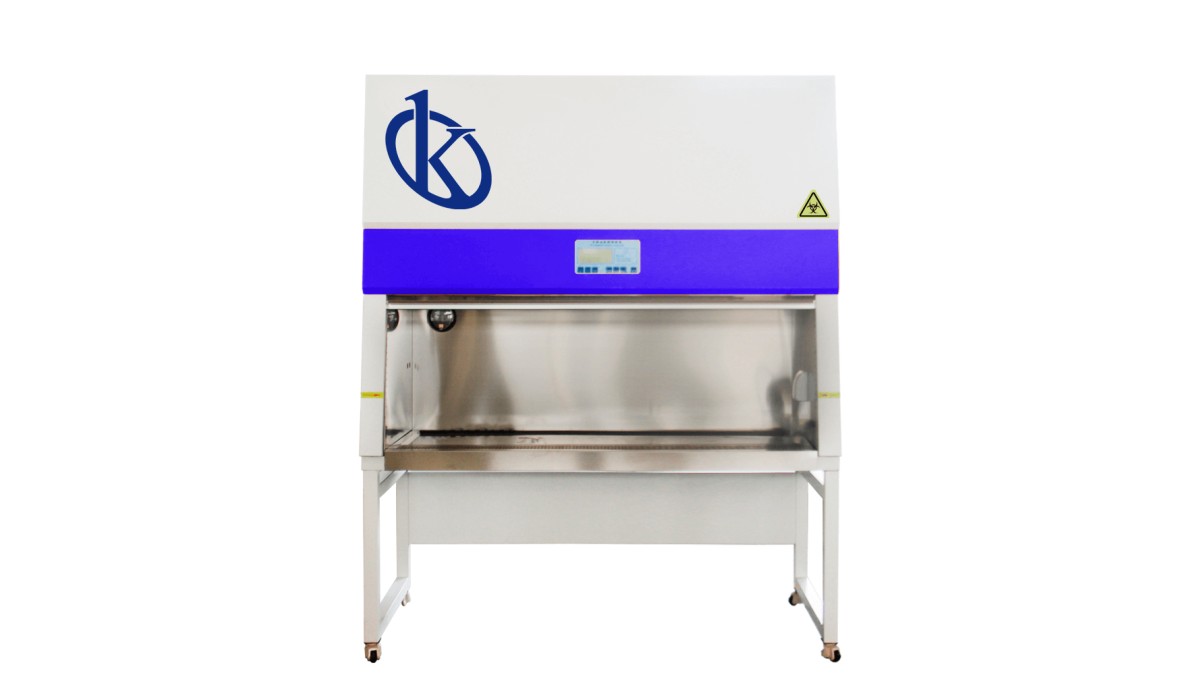
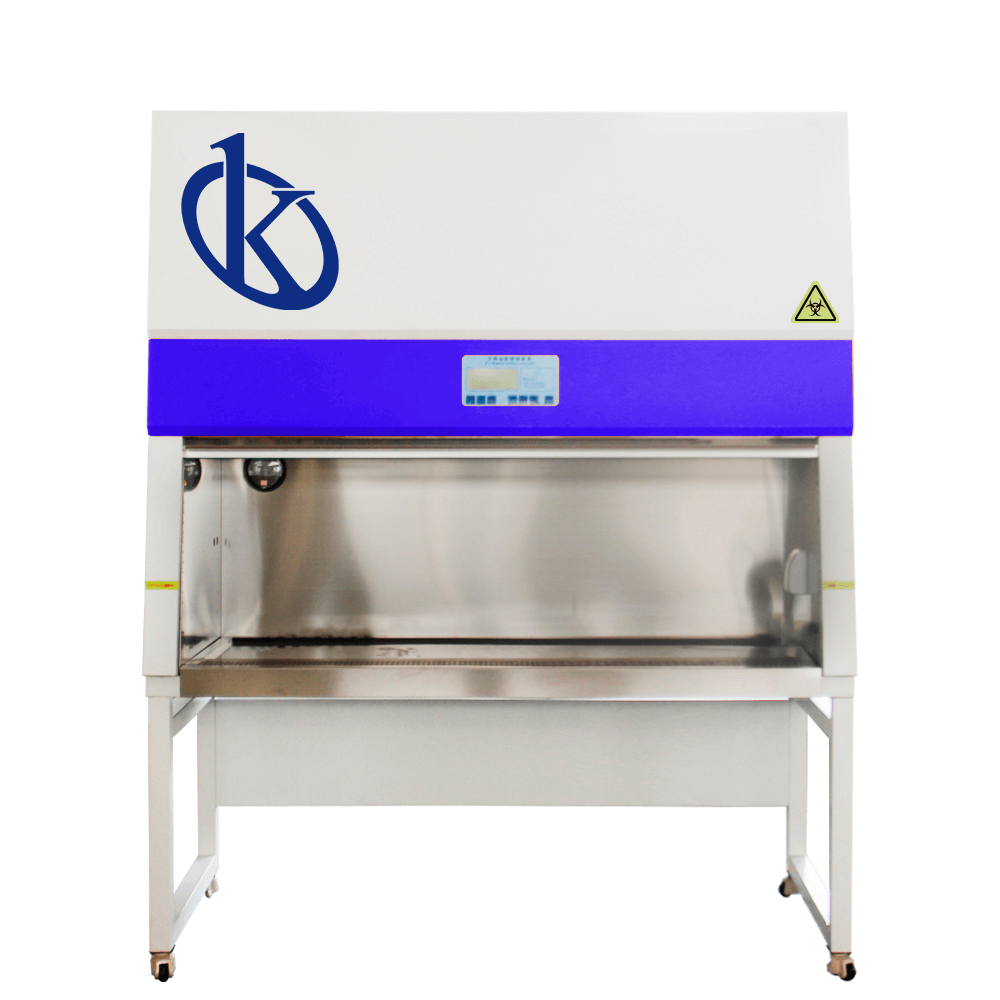
Biosafety cabinets are critical in laboratory environments to protect both personnel and the environment from biological hazards. In 2026, the importance of understanding how to effectively use these cabinets cannot be overstated. This guide explores the various applications, techniques, and protocols involved in the use of Class II biosafety cabinets, along with practical applications based on laboratory types, regulations that govern their usage, and comparisons of different models available on the market.
What is it used for in 2026
In 2026, Class II biosafety cabinets are predominantly used for work involving pathogens that can cause disease in humans or animals, and for procedures that may generate aerosols. These cabinets provide a sterile environment, preventing cross-contamination while allowing for safe handling of biological samples. Their applications span across various fields, including microbiology, molecular biology, and pharmaceutical production, ensuring that experiments can be conducted safely and efficiently.
History and evolution of the technology
The first biosafety cabinets emerged in the 1960s, designed to protect laboratory workers from hazardous biological agents. Over the years, advancements in airflow technology, HEPA filtration, and materials used in construction have significantly enhanced their effectiveness. The introduction of Class II cabinets marked a pivotal evolution, offering a balance of operator protection and sample viability. Innovations like digital airflow monitoring and improved ergonomic designs have continued to refine these crucial pieces of laboratory equipment.
How to use it step by step
Using a biosafety cabinet effectively requires a systematic approach. Here’s a step-by-step guide for laboratory professionals:
- Preparation: Before use, ensure that the cabinet is clean and that all necessary materials are within reach.
- Power On: Turn on the biosafety cabinet at least 15 minutes prior to starting work to allow the airflow system to stabilize.
- Personal Protection: Wear appropriate personal protective equipment (PPE), including gloves, lab coat, and safety goggles.
- Placement of Materials: Place materials inside the cabinet, ensuring that nothing obstructs the airflow and that items are at least six inches inside the cabinet.
- Conduct Work: Perform all procedures with a focus on minimizing movements and avoiding unnecessary interruptions to airflow.
- Cleaning: After use, clean the interior surfaces with appropriate disinfectants while the cabinet is still running.
- Power Off: Turn off the cabinet only after ensuring that all materials have been removed and the interior cleaned.
Best techniques and protocols
To optimize the use of biosafety cabinets, following established techniques and protocols is essential. This includes:
- Utilizing proper aseptic techniques while handling samples.
- Implementing a strict protocol for cleaning and decontamination.
- Regularly monitoring airflow rates and HEPA filter integrity.
- Keeping the cabinet free from clutter and unnecessary items.
- Training all personnel on established biosafety practices before using the cabinet.
Practical applications by laboratory type
Class II biosafety cabinets find applications in various laboratory types:
Microbiology Laboratories
Used for culturing microorganisms and handling infectious agents.
Clinical Laboratories
Essential for diagnostic testing involving human samples.
Pharmaceutical Production
Critical in the development and testing of drugs requiring sterile conditions.
Research Laboratories
Facilitate research involving recombinant DNA and other hazardous biological materials.
Regulations, standards and certifications
In 2026, compliance with regulations such as OSHA, CDC, and WHO is vital for laboratories using biosafety cabinets. These organizations provide standards that dictate the required safety measures, including air quality, cabinet performance, and personnel training. Additionally, certifications such as NSF/ANSI 49 ensure that cabinets meet stringent performance criteria.
Comparison with alternative technologies
While biosafety cabinets are essential for certain applications, alternatives like fume hoods or clean benches may be appropriate depending on the expected exposure to hazardous materials. Fume hoods are better for chemical safety, while clean benches do not provide personnel protection from aerosols. Laboratories must assess their specific needs when choosing between these technologies.
Comparison of available models
| Model | Best for | Key specs | Recommended use case |
|---|---|---|---|
| YR05704 | Versatile laboratory work | Class 100, 400W, 170KG | General microbiology applications |
| YR05705 | Clinical applications | Class 100, 500W, 210KG | Handling patient samples |
| YR05706 | Advanced research | Class 100, 600W, 250KG | Research involving hazardous pathogens |
| YR0090-A | Small-scale laboratory work | Class 100, 600W, 140KG | Microbiology experiments |
| YR05270 | High-security environments | Class 5, 2750.00 USD, ISO 14644.1 | Pharmaceutical production |
| YR05271 | Robust laboratory needs | Class 5, 2940.00 USD, ISO 14644.1 | Advanced research and development |
Common mistakes and how to avoid them
Laboratory professionals often make mistakes when using biosafety cabinets, which can compromise safety:
- Neglecting to perform regular maintenance: Schedule routine checks to ensure optimal performance.
- Improper cleaning techniques: Always follow standard operating procedures for cleaning.
- Overcrowding the workspace: Keep the interior organized and only contain necessary materials.
- Ignoring airflow indicators: Regularly monitor airflow and act immediately if issues arise.
Maintenance, calibration and good practices 2026
Effective maintenance and calibration are crucial for biosafety cabinets. Key practices include:
- Monthly checks of airflow and HEPA filters.
- Annual certification by a qualified technician.
- Immediate reporting and addressing of any malfunctions or performance dips.
- Continuous training for personnel to stay updated on best practices.
Cost-benefit analysis 2026
Investing in a biosafety cabinet represents a significant expense, but the cost is outweighed by the benefits:
- Protection of personnel from hazardous agents.
- Prevention of contamination in sensitive experiments.
- Compliance with regulatory standards, enhancing laboratory credibility.
- Long-term savings from reduced accidents and healthcare costs.
Frequently asked questions
What are the key features to look for in a biosafety cabinet?
When selecting a biosafety cabinet, consider airflow performance, HEPA filtration efficiency, and ease of cleaning. Ensure that the cabinet meets relevant safety standards.
How often should I clean my biosafety cabinet?
It is recommended to clean the biosafety cabinet after each use, particularly if working with hazardous materials. Regular deep cleanings should also be performed weekly.
Can I use a biosafety cabinet for all laboratory applications?
Biosafety cabinets are primarily for biological and microbiological work. For chemical handling or volatile substances, alternative equipment like fume hoods should be used.
How do I know if my biosafety cabinet needs maintenance?
Watch for indicators such as fluctuating airflow, unusual noises, or alerts from the cabinet’s monitoring system. Schedule maintenance if any of these signs occur.
What safety gear should I wear when using a biosafety cabinet?
Always wear gloves, lab coats, and safety goggles. Additional protective equipment may be required based on the materials being handled.
How can I ensure compliance with regulations when using a biosafety cabinet?
Stay updated with OSHA, CDC, and local regulations. Regularly review laboratory practices and ensure all personnel are trained on compliance protocols.
Where can I find additional resources for best practices in using biosafety cabinets?
Consult manufacturer guidelines, industry training materials, and professional organizations for the most current best practices and protocols.
If you are looking for a fusion of innovation and quality, you have come to the right place. At Kalstein, we offer you the luxury of exploring our exclusive catalog of laboratory equipment. We manufacture every device to the highest standards of excellence. Our intuitive and seamless online purchasing channels are designed for your convenience, securing the most competitive prices. Hesitate no longer — we bring science to life, it is time to become part of our community.