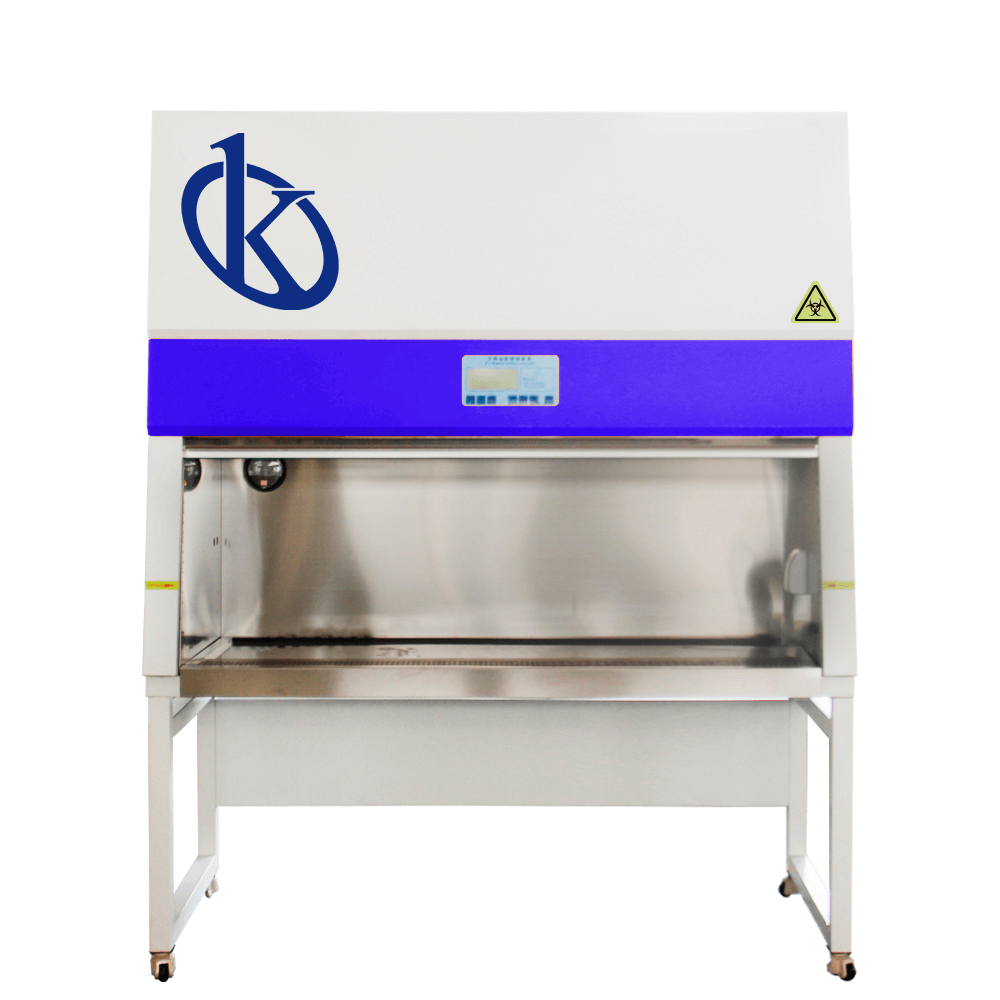
Biosafety Cabinets (Class II): ISO/IEC Compliance and Regulatory Standards in Laboratories 2026
Biosafety Cabinets (Class II) are critical in ensuring safety in laboratory environments, particularly in handling pathogens and hazardous materials. Understanding the ISO/IEC standards applicable to these cabinets is paramount for compliance and operational efficiency in laboratory settings. This article delves into the regulatory requirements, outlines the features of various models, and provides a detailed comparison to aid laboratory professionals in selecting the best equipment for their needs.
Understanding ISO/IEC Norms and Regulatory Compliance
ISO/IEC norms play a crucial role in laboratory operations, ensuring that equipment meets specific safety and performance standards. For biosafety cabinets, compliance with ISO 14644 and IEC 61010 is vital. These standards cover cleanroom classifications and the safety requirements for electrical equipment, respectively. Laboratories must adhere to these regulations to ensure both operator safety and accurate experimental results.
Key ISO/IEC Standards Relevant to Biosafety Cabinets
Several ISO/IEC standards are pertinent when discussing the compliance of Biosafety Cabinets (Class II):
- ISO 14644-1: This standard sets the classification of air cleanliness in cleanrooms and controlled environments, emphasizing the need for appropriate airflow to minimize contamination.
- IEC 61010: This standard ensures safety requirements for electrical equipment, including biosafety cabinets, focusing on electrical component safety and operational efficiency.
- ISO 17025: This standard establishes the competence of testing and calibration laboratories to ensure reliable results, indirectly influencing the use of biosafety cabinets in laboratories.
Importance of Compliance and Regular Audits
To maintain compliance with ISO/IEC standards, laboratories must conduct regular audits and maintain thorough documentation. Regular inspections ensure that the biosafety cabinets are functioning correctly, and any deviations from compliance can be identified and rectified promptly. This proactive approach minimizes risks and enhances laboratory safety.
Comparison of Available Models
| Model | ISO/IEC Clauses Covered | Traceability Features | Best For |
|---|---|---|---|
| YR05704 | ISO 14644-1, IEC 61010 | Built-in monitoring system | Cytogenetics |
| YR05705 | ISO 14644-1, IEC 61010 | Real-time data logging | Microbiology |
| YR05706 | ISO 14644-1, IEC 61010 | Remote monitoring capabilities | Pharmaceutical testing |
| YR0090-A | ISO 14644-1 | Integrated alarm system | General laboratory work |
| YR05270 | ISO 14644-1, IEC 61010 | Data tracking software | Biological research |
| YR05271 | ISO 14644-1, IEC 61010 | Calibration records | Tissue culture |
Common Mistakes and How to Avoid Them
Laboratory professionals often make several mistakes regarding the compliance of biosafety cabinets. Common errors include:
- Neglecting Regular Maintenance: Regular checks and maintenance are essential to ensure compliance with ISO standards. Laboratories should establish a stringent maintenance schedule.
- Inadequate Training: Operators must be adequately trained in using biosafety cabinets. Training programs should incorporate ISO/IEC compliance protocols.
- Ignoring Documentation: Proper documentation is crucial for compliance audits. Labs should maintain accurate records of maintenance and operation procedures.
How Each Model Meets Compliance Standards
Each biosafety cabinet model provides specific features that facilitate compliance with relevant ISO/IEC standards:
- YR05704: Designed with a comprehensive airflow system that meets ISO 14644-1 air cleanliness requirements, ensuring minimal contamination.
- YR05705: Offers real-time monitoring and data logging, simplifying the process of demonstrating compliance during audits.
- YR05706: Equipped with remote monitoring capabilities, allowing for off-site compliance checks and ensuring continuous operation.
- YR0090-A: Features an integrated alarm system that alerts users to deviations from safety norms.
- YR05270: Utilizes advanced data tracking software that aids in maintaining compliance with ISO standards.
- YR05271: Offers robust calibration records that support adherence to IEC 61010 regulations.
Frequently Asked Questions
What are the ISO standards for biosafety cabinets in 2026?
The main ISO standards for biosafety cabinets include ISO 14644-1 and ISO 17025, focusing on air cleanliness and laboratory testing competence, respectively. Models like YR05704 and YR05705 are designed to meet these standards, ensuring compliance and safety in laboratory environments.
How to ensure compliance with IEC 61010 for biosafety cabinets?
To ensure compliance with IEC 61010, laboratories should evaluate biosafety cabinets for electrical safety features and operational efficiency. Models like YR05706 and YR05271 incorporate these safety measures to help laboratories meet IEC requirements.
What features help biosafety cabinets comply with ISO 14644-1?
Biosafety cabinets like YR05270 and YR0090-A include features such as airflow monitoring and filtration systems that comply with ISO 14644-1 standards for cleanroom environments, essential for maintaining laboratory safety.
How to document compliance for regulatory audits in laboratories?
Documenting compliance involves maintaining records of maintenance, calibration, and operational protocols. Models such as YR05705 provide data logging features that aid in documenting compliance for regulatory audits effectively.
What is the role of biosafety cabinets in achieving ISO 17025 accreditation?
Biosafety cabinets play a vital role in achieving ISO 17025 accreditation by providing a controlled environment for testing and calibration. Models like YR05271 support this by ensuring safety and cleanliness during laboratory operations.
How often should biosafety cabinets be inspected for ISO compliance?
Biosafety cabinets should be inspected regularly, typically every six months, to ensure compliance with ISO standards such as ISO 14644-1. Regular maintenance of models like YR05704 is crucial for ongoing operational safety.
What training is necessary for operating biosafety cabinets in compliance with ISO standards?
Operators should undergo training that covers the proper use, maintenance, and compliance procedures related to ISO standards. Training should include hands-on experience with models like YR0090-A to ensure proficiency.
Which biosafety cabinet model is best for microbiology labs in 2026?
For microbiology labs in 2026, the YR05705 model is highly recommended due to its real-time monitoring capabilities and compliance with ISO 14644-1, ensuring a safe and effective working environment.
If you are looking for a fusion of innovation and quality, you have come to the right place. At Kalstein, we offer you the luxury of exploring our exclusive catalog of laboratory equipment. We manufacture every device to the highest standards of excellence. Our intuitive and seamless online purchasing channels are designed for your convenience, securing the most competitive prices. Hesitate no longer — we bring science to life, it is time to become part of our community.