Biosafety Protocols and Safe Operator Management in Histopathology
In histopathology, maintaining safety standards is critical for the protection of laboratory professionals and the integrity of test results. The focus on biosafety protocols ensures that histopathology labs not only comply with regulations but also create a safe working environment. Various consumables play a vital role in reducing exposure risks, managing hazardous materials, and optimizing workflow. This article will delve into the essential biosafety protocols, discuss various consumables available in the histopathology accessories and consumables package, and offer insights on effective operator management strategies.
Understanding Biosafety Protocols in Histopathology
Biosafety protocols are guidelines designed to minimize the risk of exposure to biological and chemical hazards in the laboratory. The protocols often include measures such as personal protective equipment (PPE), safe handling of specimens, and proper waste disposal. Adherence to these protocols is not merely a legal requirement; it is a professional responsibility that promotes both safety and efficiency in laboratory operations.
Key components of biosafety include:
- Personal Protective Equipment (PPE): Essential for all laboratory personnel to prevent exposure to hazardous materials.
- Laboratory Safety Training: Ongoing training sessions ensure that all staff are knowledgeable about current safety protocols.
- Risk Assessment Procedures: Regular assessments help identify potential hazards related to new materials or processes.
- Emergency Procedures: Effective response protocols for spills, exposure incidents, or equipment failure.
Operator Management Strategies to Enhance Safety
Effective operator management is crucial in histopathology labs to ensure compliance with biosafety protocols. Strategies include:
- Regular Training Programs: Keeping personnel updated on the latest biosafety regulations and best practices.
- Monitoring Compliance: Conducting routine audits to ensure that safety protocols are being followed consistently.
- Creating a Safety Culture: Encouraging open communication about safety concerns and proactive reporting of potential hazards.
- Implementing Ergonomic Solutions: Reducing strain and injury through proper workstation design and equipment usage.
Comparison of Available Models
| Model | Description | Best For | Price (USD) |
|---|---|---|---|
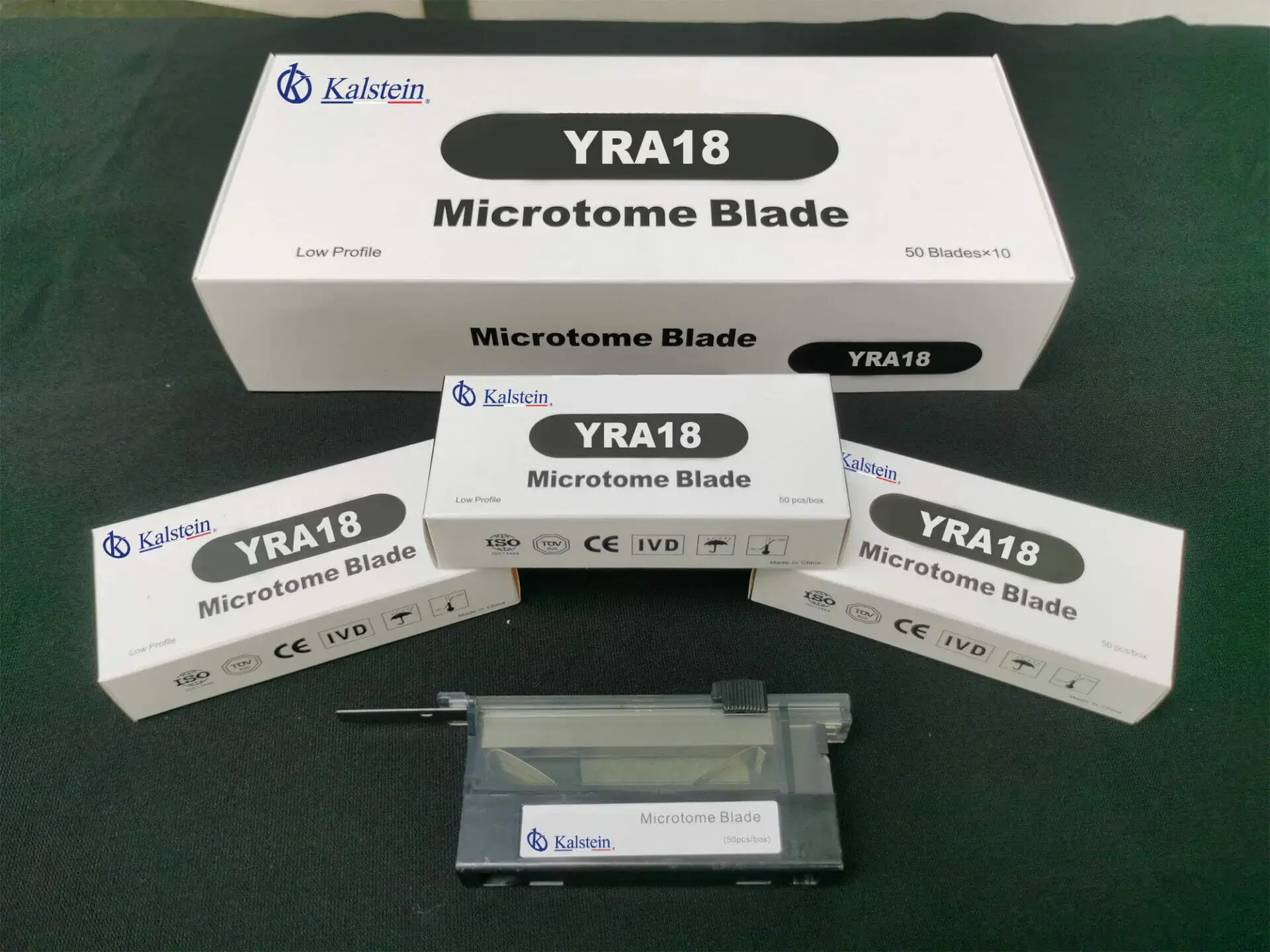
| YRA18-1 | Disposable microtome blade (Low profile) | Normal tissue samples | 10000.00 |
| YRA19-1 | Disposable microtome blade (High profile) | Complex biopsies | 1600.00 |
| YRA20-1 | Tissue embedding cassette | Embedding large specimens | 252.00 |
| YRA21-1 | Plastic cassette with plastic cover | General use in embedding | 144.00 |
| YRA33-2 | Paraffin block | Embedding large samples | 60.00 |
| YRA33-3 | Granular paraffin | Crafting blocks for embedding | 60.00 |
Common Mistakes and How to Avoid Them
In histopathology labs, several common mistakes can jeopardize operator safety and test integrity:
- Inadequate Training: Failing to provide comprehensive safety training results in unsafe practices. Regular training sessions should be mandated.
- Neglecting PPE: Operators often overlook the importance of wearing appropriate PPE. Ensure that it is always available and accessible.
- Unsafe Specimen Handling: Improper handling of specimens can lead to exposure. Establish clear protocols for specimen management.
- Ignoring Equipment Maintenance: Regular equipment checks are essential to avoid failures. Implement a routine maintenance schedule.
Frequently Asked Questions
How do biosafety protocols impact the use of histopathology consumables?
Biosafety protocols significantly influence the selection of consumables in histopathology, ensuring that products like the YRA20-1 tissue embedding cassette comply with safety standards. By adhering to established protocols, labs can minimize risks while maintaining specimen integrity.
What PPE is necessary when using the YRA19-1 microtome blade?
When using the YRA19-1 disposable microtome blade, essential PPE includes gloves, lab coats, and safety goggles. This protective gear safeguards laboratory personnel from potential exposure to hazardous materials during sample processing.
Which practices enhance operator safety with histopathology consumables?
Enhancing operator safety involves adhering to biosafety protocols, utilizing proper PPE, and regularly training staff. For instance, using the YRA21-1 plastic cassette ensures safe handling of embedded samples, minimizing exposure risks.
How can I ensure compliance with regulations in histopathology labs?
Ensuring compliance involves implementing rigorous biosafety protocols, conducting frequent audits, and training staff on best practices. Utilizing high-quality consumables like the YRA33-2 paraffin block can aid in maintaining compliance by providing reliable results.
What is the significance of regular audits in histopathology labs?
Regular audits in histopathology labs are crucial for identifying compliance gaps and reinforcing adherence to biosafety protocols. These audits help ensure that consumables, such as the YRA18-1 microtome blade, are used correctly and safely.
How do biosafety protocols relate to operator management in histopathology?
Biosafety protocols are integral to operator management as they establish safety standards that all personnel must follow. This ensures safe usage of products like the YRA33-3 granular paraffin, ultimately protecting employee health.
What are the best practices for waste disposal in histopathology labs?
Best practices for waste disposal include segregating hazardous from non-hazardous waste, using clearly labeled containers, and following OSHA guidelines. Using consumables like the YRA20-1 cassette can facilitate proper disposal processes.
How do I assess the risk of exposure in histopathology labs?
Risk assessment can be achieved through regular evaluations of laboratory processes and analyzing the use of consumables. For instance, assessing the use of the YRA19-1 microtome blade can help identify potential exposure risks and improve safety protocols.
If you are looking for a fusion of innovation and quality, you have come to the right place. At Kalstein, we offer you the luxury of exploring our exclusive catalog of laboratory equipment. We manufacture every device to the highest standards of excellence. Our intuitive and seamless online purchasing channels are designed for your convenience, securing the most competitive prices. Hesitate no longer — we bring science to life, it is time to become part of our community.