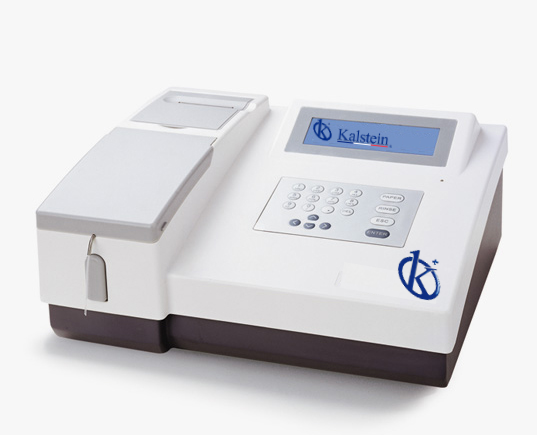
Biosafety Protocols and Safe Operator Management in Chemical Analyzers
Laboratories handling chemical analyzers face unique challenges in ensuring the safety of operators while adhering to strict biosafety protocols. This article delves into the best practices and essential guidelines necessary for effective biosafety and safe operator management within the context of chemical analysis.
Understanding Biosafety in Chemical Analysis
Biosafety protocols are crucial in laboratories that utilize chemical analyzers. These protocols are designed to protect laboratory personnel, the surrounding environment, and the integrity of the experiments conducted. A comprehensive understanding of biosafety levels, personal protective equipment (PPE), and decontamination procedures is essential for any laboratory professional.
Key Biosafety Levels (BSL) and Their Relevance
Biosafety levels range from BSL-1 to BSL-4, categorizing laboratories based on the infectious agents they work with and the required precautions. In the context of chemical analyzers, BSL-2 is commonly applicable, necessitating specific controls and practices to safely manage hazardous materials. Laboratories must evaluate their activities and implement appropriate biosafety measures accordingly.
Personal Protective Equipment (PPE) for Laboratory Operators
Utilizing appropriate PPE is essential for protecting laboratory workers from chemical exposure. This includes gloves, gowns, goggles, and face shields, depending on the risks associated with specific analyzers and chemicals used. Training operators on proper PPE usage and maintenance is vital to minimizing risk and ensuring compliance with safety regulations.
Decontamination Protocols for Chemical Analyzers
Effective decontamination protocols must be established to mitigate risks associated with spills and contamination. Regular cleaning and decontamination of chemical analyzers not only protect the integrity of the equipment but also safeguard the health of laboratory personnel. Establishing a routine decontamination schedule is critical.
Training and Education for Safe Operations
Regular training programs are essential for laboratory staff to keep them informed about the latest biosafety protocols. Comprehensive training should cover the operation of chemical analyzers, hazard communication, and emergency response procedures. Knowledgeable operators are better equipped to handle potential safety issues, ensuring smooth laboratory operations.
Behavioral Safety Practices in the Laboratory
Encouraging a culture of safety within the laboratory can significantly reduce risks associated with chemical analysis. Implementing behavioral safety practices, such as encouraging reporting of unsafe conditions and near misses, helps to identify areas for improvement and reinforces the importance of safety across the team.
Comparison of Available Models
| Model | Best for | Safety features | Key specs |
|---|---|---|---|
| YR05115 | Routine clinical analysis | Compatible with protective protocols | Weight: 7 kg; Price: $800 |
| YR05114 | Comprehensive testing | Hibernation function for safety | Weight: 8 kg; Price: $950 |
| YR06092 | Fieldwork and portability | Designed for minimal environmental impact | Weight: 2.4 kg; Price: $150 |
| YR06075 | High-throughput analysis | Advanced safety diagnostics | Weight: 255 kg; Price: $12,500 |
| YR05116 | Advanced laboratory settings | Control of hazardous samples | Weight: 10 kg; Price: $1300 |
| YR06078 | Standardized testing environments | Multiple safety features | Weight: 10 kg; Price: $1100 |
Common Mistakes and How to Avoid Them
Laboratory personnel often make mistakes that compromise safety and compliance. Common errors include neglecting PPE usage, failing to conduct routine decontamination, and inadequate training. To avoid these pitfalls, laboratories should implement regular audits and refresher training sessions to ensure adherence to safety protocols.
Frequently Asked Questions
How do biosafety protocols affect the operation of chemical analyzers?
Biosafety protocols significantly impact the operation of chemical analyzers by dictating the necessary precautions and PPE required for safe handling. Models like YR05115 ensure compliance with these protocols, enhancing operator safety and laboratory integrity.
What are the essential PPE items for chemical analyzer operators?
Essential PPE for operators includes gloves, lab coats, safety goggles, and face shields. These items help protect against chemical exposure while using models such as the YR06075, which are designed for high-throughput analysis.
Which decontamination protocols should be implemented for laboratory safety?
Laboratories should implement routine decontamination protocols addressing spills and equipment cleaning. For example, using YR06092 in fieldwork requires strict adherence to decontamination procedures to ensure safe operation.
How can training improve laboratory safety when using chemical analyzers?
Training enhances laboratory safety by educating staff on proper equipment use, hazard recognition, and emergency protocols. Regular training sessions ensure operators of models like YR05116 are prepared for safe operation in various conditions.
What cultural practices can promote safety in laboratories?
Encouraging open communication about safety concerns and recognizing safe behavior can foster a culture of safety. This practice is essential when operating complex analyzers like YR06078, where team awareness is vital for safety compliance.
How often should biosafety training be conducted for laboratory staff?
Biosafety training should be conducted at least annually, with additional sessions offered when new procedures or equipment are introduced. Labs using YR05114 should regularly update staff on any changes to safety protocols.
What safety features are most important in chemical analyzers?
Key safety features include automatic shutdown functions, real-time monitoring, and robust decontamination protocols. Models like YR06075 offer advanced safety diagnostics to ensure operational safety in high-throughput environments.
How can laboratories ensure compliance with biosafety regulations?
Laboratories can ensure compliance by regularly reviewing and updating protocols, conducting internal audits, and providing ongoing training. Using YR06078, labs can optimize their workflows while maintaining strict adherence to biosafety measures.
If you are looking for a fusion of innovation and quality, you have come to the right place. At Kalstein, we offer you the luxury of exploring our exclusive catalog of laboratory equipment. We manufacture every device to the highest standards of excellence. Our intuitive and seamless online purchasing channels are designed for your convenience, securing the most competitive prices. Hesitate no longer — we bring science to life, it is time to become part of our community.