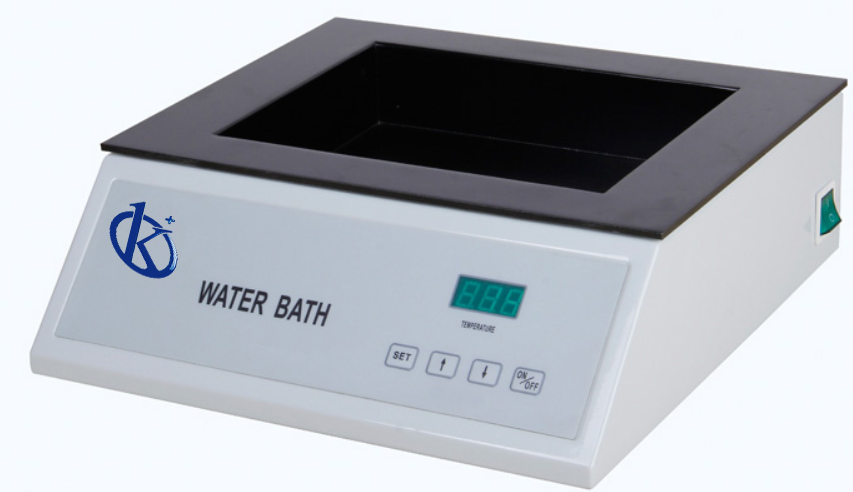
Implementing Biosafety Protocols in Tissue Water Baths: Best Practices and Model Comparisons
In laboratory environments, particularly within the field of pathological anatomy, the safety of operators is paramount. Biosafety protocols ensure that laboratory personnel are protected from potential hazards when using equipment such as tissue water baths. This article delves into the essential biosafety protocols and compares multiple models of tissue water baths, highlighting their features in supporting operator safety.
Understanding Biosafety Protocols for Tissue Water Baths
Biosafety protocols are systematic procedures designed to protect laboratory personnel and the environment from exposure to biological hazards. For tissue water baths, which are commonly used for the preparation and preservation of biological samples, these protocols include appropriate training, the use of personal protective equipment (PPE), and the implementation of decontamination procedures.
When utilizing tissue water baths, it is crucial to adhere to specific biosafety levels (BSL) depending on the type of biological material being handled. For instance, BSL-1 is suitable for low-risk organisms, while BSL-2 or BSL-3 may be necessary for higher-risk specimens. Operators must be trained in these levels to understand their specific safety practices.
Importance of Personal Protective Equipment (PPE)
Wearing appropriate PPE is a fundamental aspect of biosafety in laboratory settings. When working with tissue water baths, operators should use gloves, lab coats, goggles, and, if necessary, face shields to prevent exposure to chemicals and biological samples. Failure to use proper PPE can lead to contamination or exposure, putting both the operator and the integrity of the samples at risk.
Decontamination Protocols for Tissue Water Baths
Decontamination is crucial in maintaining a safe laboratory environment. After using tissue water baths, surfaces should be cleaned with appropriate disinfectants to eliminate any potential biological contaminants. Regular maintenance, including calibration and cleaning, ensures the equipment operates effectively while adhering to biosafety standards.
Comparison of Available Models
| Model | Temperature Range | Power Consumption (W) | Best for |
|---|---|---|---|
| YR449 | RT to 90℃ | 200 | Routine tissue preparation |
| YR451 | 0 to 85℃ | 400 | Advanced tissue processing |
| YR452 | RT to 75℃ | 500 | Specialized histology applications |
Addressing Common Mistakes in Tissue Water Bath Usage
While using tissue water baths, several common mistakes can compromise biosafety protocols. One significant error is neglecting to regularly calibrate the equipment, which can lead to inaccurate temperature control and may jeopardize sample integrity. Furthermore, operators often underestimate the importance of following decontamination protocols, potentially exposing themselves to biohazards.
To avoid these mistakes, laboratories should implement regular training sessions for personnel, emphasizing the importance of compliance with biosafety protocols and the proper use of equipment. Regular audits of laboratory practices can also help identify areas for improvement.
Frequently Asked Questions
What biosafety levels apply to tissue water baths in labs?
Biosafety levels for tissue water baths depend on the biological material used. For instance, BSL-1 is appropriate for low-risk organisms, while BSL-2 or BSL-3 is used for higher-risk specimens. Ensuring the correct biosafety level is critical for operator safety when using models like YR449.
How can personal protective equipment improve safety in tissue water baths?
Personal protective equipment (PPE) such as gloves and lab coats protects laboratory personnel from exposure to chemicals and biological samples while using tissue water baths. For instance, when operating the YR451, wearing proper PPE can mitigate risks associated with handling potentially infectious materials.
What decontamination steps should be followed for tissue water baths?
After using tissue water baths, it is essential to clean surfaces with appropriate disinfectants to remove potential contaminants. Regularly maintaining and cleaning models like YR452 ensures compliance with biosafety protocols and protects both personnel and samples.
How does temperature control affect operator safety in tissue water baths?
Accurate temperature control is vital in tissue water baths to prevent overheating, which can compromise sample integrity and pose risks to operators. Models like YR449 offer precise temperature control, helping maintain safe operating conditions and protecting users from potential hazards.
What are the risks of using an uncalibrated tissue water bath?
Using an uncalibrated tissue water bath can lead to inaccurate temperatures, compromising sample quality and risking operator safety. Regular calibration of models like YR451 ensures accurate performance, aligning with biosafety protocols and minimizing hazards in the laboratory.
How often should training on biosafety protocols be conducted for lab personnel?
Regular training on biosafety protocols should be conducted at least annually for laboratory personnel. This education is crucial for understanding the safe operation of tissue water baths like YR452 and the importance of complying with safety standards to protect both operators and samples.
What is the best practice for maintaining tissue water baths?
Best practices for maintaining tissue water baths include regular calibration, routine cleaning, and adherence to decontamination protocols. For example, the YR449 model should be cleaned after each use to ensure safety and compliance with laboratory biosafety standards.
How do biosafety protocols impact laboratory productivity?
Implementing strict biosafety protocols can enhance laboratory productivity by minimizing incidents of contamination and ensuring the safety of personnel. Properly maintained tissue water baths like YR451 contribute to a safer working environment, leading to more efficient laboratory operations.
If you are looking for a fusion of innovation and quality, you have come to the right place. At Kalstein, we offer you the luxury of exploring our exclusive catalog of laboratory equipment. We manufacture every device to the highest standards of excellence. Our intuitive and seamless online purchasing channels are designed for your convenience, securing the most competitive prices. Hesitate no longer — we bring science to life, it is time to become part of our community.