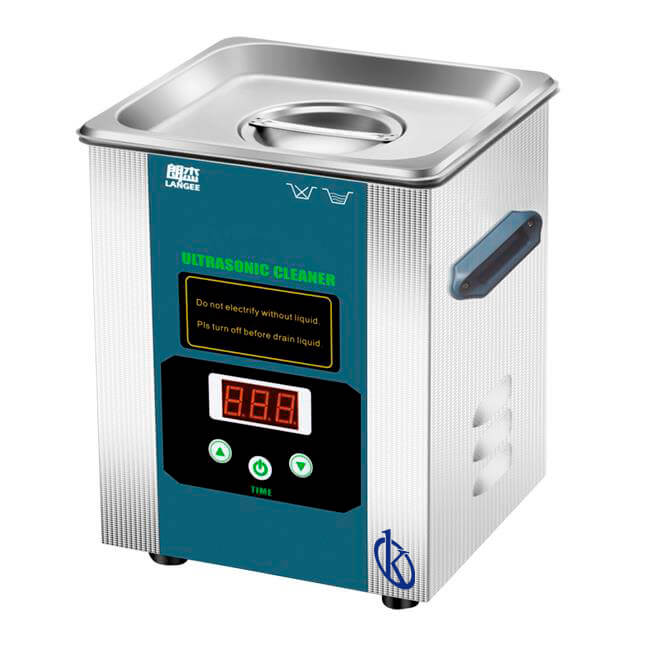
How to Ensure Biosafety and Safe Operator Handling in Mechanical Desktop Ultrasonic Cleaners
Mechanical desktop ultrasonic cleaners are essential tools in laboratories and medical facilities for cleaning delicate instruments, jewelry, and other items effectively. However, ensuring the biosafety of operators and compliance with safety standards is critical in preventing accidents and maintaining a safe working environment. This article explores various biosafety protocols, best practices for safe handling, specific model comparisons, and addresses common mistakes associated with operator safety in the use of these devices.
Understanding Biosafety Protocols in Ultrasonic Cleaning
Biosafety protocols refer to the measures implemented to ensure the safety of laboratory personnel when handling materials that could pose a health risk. In the context of mechanical desktop ultrasonic cleaners, these protocols are crucial to mitigate the risks associated with cleaning hazardous materials. International guidelines, such as the Biosafety in Microbiological and Biomedical Laboratories (BMBL) and the World Health Organization (WHO) recommendations, provide frameworks for implementing effective biosafety measures.
Operational Safety Guidelines for Ultrasonic Cleaners
When operating mechanical desktop ultrasonic cleaners, specific guidelines must be followed to ensure both personal and environmental safety. Operators should wear appropriate personal protective equipment (PPE), including gloves, goggles, and lab coats. Additionally, it is vital to ensure that the workspace is well-ventilated to minimize exposure to potentially harmful aerosols generated during the cleaning process.
Comparison of Available Models
| Model | Tank Capacity (L) | Ultrasonic Frequency (kHz) | Power (W) | Best For |
|---|---|---|---|---|
| YR05207 | 1.3 | 40 | 70 | Jewelry and delicate items |
| YR05202 | 11 | 40/80/120 | 240 | Laboratory and medical applications |
| YR05203 | 15 | 40/80/120 | 360 | Laboratory applications requiring versatile cleaning |
| YR05204 | 20 | 40/80/120 | 360 | Cleaning larger items |
| YR05205 | 22 | 40/80/120 | 480 | Heavy-duty cleaning |
| YR05206 | 30 | 40/80/120 | 600 | High-volume cleaning tasks |
Common Mistakes and How to Avoid Them
Lab professionals often commit several common mistakes when operating mechanical desktop ultrasonic cleaners. One frequent error is neglecting to use the appropriate cleaning solution for specific materials, which can compromise the integrity of both the items being cleaned and the ultrasonic cleaner itself. Additionally, failing to regularly maintain the equipment can lead to reduced cleaning efficiency and operator safety risks. To mitigate these issues, it is essential to establish a maintenance schedule and to train personnel on the correct use of cleaning solutions.
Protocols for Safe Handling of Hazardous Materials
When using mechanical desktop ultrasonic cleaners to process hazardous materials, strict adherence to handling protocols is vital. These include utilizing secondary containment measures to capture spills, conducting a thorough risk assessment before initiating cleaning cycles, and confirming that all cleaning solutions used are compatible with the items being treated. The use of models such as YR05202, which features multiple frequencies, allows for tailored cleaning approaches that enhance operator safety.
Importance of Monitoring Ultrasonic Cleaner Performance
Regular monitoring of ultrasonic cleaner performance is crucial to ensuring safety and compliance. Implementing a performance verification schedule can help identify any deviations from operational standards, which may pose risks to both operators and the integrity of the items being cleaned. Utilizing models that offer advanced monitoring capabilities, like the YR05206, can aid in maintaining efficient and safe cleaning processes.
Training and Education for Laboratory Personnel
Proper training and ongoing education for laboratory personnel are essential for enhancing biosafety and operational safety. This includes familiarizing team members with the specific protocols associated with mechanical desktop ultrasonic cleaners, as well as hands-on training in using the devices safely. Regular refresher courses should be conducted to keep staff updated on the latest biosafety practices and equipment functionalities.
Frequently Asked Questions
What are the biosafety practices for using mechanical desktop ultrasonic cleaners?
Implementing biosafety practices involves using personal protective equipment (PPE), ensuring proper ventilation, and following cleaning protocols for hazardous materials. By using models like YR05202, which offers multiple frequency options, labs can tailor their cleaning methods while maintaining operator safety.
How can I ensure safe operator handling of ultrasonic cleaners?
To ensure safe operator handling, personnel should receive comprehensive training on the equipment's operation, use appropriate PPE, and establish clear protocols for managing spills and hazardous materials. Utilizing models like YR05205, designed for heavy-duty cleaning, further enhances safety through effective cleaning capabilities.
What are the common mistakes when using ultrasonic cleaners?
Common mistakes include using incorrect cleaning solutions, neglecting maintenance schedules, and failing to follow safety protocols. Regular training sessions can help prevent these errors and ensure that operators are familiar with models like YR05203, which provide versatile cleaning options.
Which ultrasonic cleaner models are best for biosafety compliance?
Models such as YR05206, with advanced features and larger capacities, are ideal for biosafety compliance as they can handle a variety of cleaning tasks efficiently while minimizing risks associated with hazardous materials.
How does ultrasonic cleaning improve laboratory safety?
Ultrasonic cleaning enhances laboratory safety by effectively removing contaminants from instruments, thereby reducing the risk of exposure to hazardous materials. Using a model like YR05204 allows for efficient cleaning of larger items while ensuring operator safety.
What are the training requirements for operating ultrasonic cleaners?
Training requirements include understanding the operational procedures, safety protocols, and maintenance practices associated with ultrasonic cleaners. This ensures that operators can safely use models like YR05207, specifically designed for delicate items.
What is the importance of regular maintenance for ultrasonic cleaners?
Regular maintenance is crucial to ensure optimal performance, extend the equipment's lifespan, and enhance safety. Implementing a maintenance schedule for models like YR05205 ensures efficient operation and reduces risks associated with improper cleaning.
How can I assess the biosafety of my ultrasonic cleaning process?
Biosafety assessments can be conducted through regular reviews of cleaning protocols, operator training, and equipment performance monitoring. Choosing models that support various cleaning frequencies, such as YR05203, helps in adapting processes to meet biosafety standards.
If you are looking for a fusion of innovation and quality, you have come to the right place. At Kalstein, we offer you the luxury of exploring our exclusive catalog of laboratory equipment. We manufacture every device to the highest standards of excellence. Our intuitive and seamless online purchasing channels are designed for your convenience, securing the most competitive prices. Hesitate no longer — we bring science to life, it is time to become part of our community.