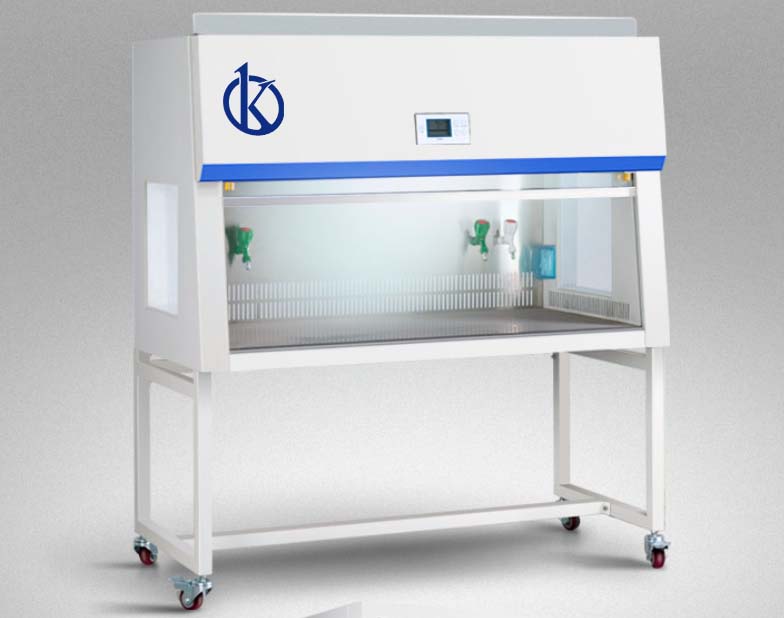
Ensuring Biosafety in the Use of Vertical Laminar Flow Clean Benches
Vertical Laminar Flow Clean Benches are essential in various laboratory settings, particularly in biotechnology, pharmaceuticals, and scientific research. These devices provide a controlled environment that minimizes contamination risks, making them invaluable for biosafety. This article explores the critical biosafety protocols and operator handling practices necessary to maintain a safe working environment while utilizing these clean benches.
Understanding Biosafety Protocols in Laboratory Settings
Biosafety protocols are essential for ensuring that laboratory workers and the environment are protected from biological hazards. In labs utilizing vertical laminar flow clean benches, it is crucial to adhere strictly to these protocols to mitigate risks associated with airborne contaminants, infectious materials, and hazardous substances.
The use of standard operating procedures (SOPs) governs how to handle materials within these clean spaces. Key elements include the use of personal protective equipment (PPE), maintaining cleanliness in the workspace, and regular training for personnel on safe operational procedures.
Vertical Laminar Flow Clean Benches: An Overview
Vertical laminar flow clean benches are designed to provide a sterile work environment by directing filtered air downwards, creating a laminar flow that protects the work surface from contamination. These benches are suitable for handling sensitive biological samples, pharmaceuticals, and other materials that require a contamination-free environment.
Among the models available, the Laminar Flow Cabin (Double Person) YR05267-1 stands out for its capacity to serve two operators simultaneously while maintaining a Class 100 cleanliness level. This model is particularly beneficial for collaborative projects in research and development where multiple users are present.
Key Models of Vertical Laminar Flow Clean Benches
Understanding the specifications and functions of different clean bench models can aid in selecting the most appropriate one for specific laboratory needs. Here are several notable models:
| Model | Key Features | Best For |
|---|---|---|
| YR05267-1 | Double operator use, ISO 14644.1 Class 5, LCD display | Biotechnology and pharmaceutical research |
| YR05734 | Compact design, Class 100 cleanliness, adjustable airflow | Medical and health experiments |
| YR05735 | Similar to YR05734 with slight adjustments | Biological engineering tasks |
| YR05736 | Vertical airflow, durable stainless steel, easy to clean | General laboratory applications |
| YR05737 | High efficiency filtration, user-friendly design | Pharmaceutical production |
| YR05738 | Versatile use, Class 100, low noise level | Food, cosmetic, and medical research |
Compliance with Biosafety Standards
Compliance with recognized biosafety standards such as ISO 14644.1 is crucial for laboratories utilizing clean benches. Ensuring that procedures are followed according to these standards helps maintain the required cleanliness levels. Vertical laminar flow clean benches must be regularly tested and certified to confirm they meet the necessary cleanliness classifications.
For example, the Laminar Flow Cabin YR05736 maintains a Class 100 standard, allowing it to be used safely in environments that demand high levels of sterility.
Common Mistakes and How to Avoid Them
Despite the clear protocols surrounding the use of vertical laminar flow clean benches, common mistakes can still occur. One frequent error is the improper use of PPE, which can lead to contamination. It is critical to ensure that all personnel are trained and understand the importance of wearing appropriate gloves, masks, and gowns when operating within these environments.
Another common mistake involves inadequate maintenance of the clean bench itself. Regular checks on filters and airflow systems are essential to ensure they are functioning correctly. Operators should establish a routine maintenance schedule aligned with manufacturer guidelines.
Comparison of Available Models
| Model | ISO/IEC Clauses Covered | Traceability Features | Best For |
|---|---|---|---|
| YR05267-1 | ISO 14644.1 | Real-time monitoring via LCD | Research and development |
| YR05734 | US Federal 209E Class 100 | Filter integrity checks | Health experiments |
| YR05735 | US Federal 209E Class 100 | Visual indicators for performance | Biological engineering |
| YR05736 | ISO 14644.1 Class 100 | Integrated monitoring systems | General applications |
| YR05737 | ISO 14644.1 Class 100 | Digital control interface | Pharmaceutical labs |
| YR05738 | ISO 14644.1 Class 100 | Operational history logging | Food and cosmetic testing |
Frequently Asked Questions
What specific biosafety protocols should I follow when using vertical laminar flow clean benches?
To ensure safety, follow protocols like using PPE, maintaining a sterile workspace, and adhering to guidelines set by ISO 14644.1. Models like the YR05267-1 are designed to facilitate these safety measures effectively.
How can I determine the best vertical laminar flow clean bench for my laboratory's biosafety needs?
Consider factors such as airflow direction, cleanliness classification, and the specific applications of your work. The YR05736 model is excellent for general laboratory applications due to its ISO compliance and user-friendly design.
What maintenance practices are essential for vertical laminar flow clean benches to ensure biosafety?
Regularly check filters, clean surfaces, and monitor airflow performance. Adhering to the manufacturer's maintenance schedule will help ensure the YR05738 remains compliant with Class 100 standards.
How do vertical laminar flow clean benches contribute to operator safety in laboratories?
These benches provide a sterile environment that reduces exposure to airborne contaminants. Using models like the YR05737 helps maintain optimal biosafety levels, crucial for laboratory personnel's health.
What are the key differences between horizontal and vertical laminar flow clean benches concerning biosafety?
Vertical laminar flow benches direct airflow downwards, minimizing contamination risks effectively, while horizontal benches may compromise sterility when the front is open. Models like the YR05267-1 excel in environments requiring strict biosafety protocols.
Which vertical laminar flow clean bench is best for high-throughput laboratory settings?
The YR05267-1 model, accommodating two operators, is ideal for high-throughput laboratories that demand simultaneous work without sacrificing biosafety standards.
How can I ensure my laboratory complies with ISO 14644 standards using clean benches?
Implement regular testing and certification protocols for airflow and cleanliness. The YR05736 model is designed to meet ISO 14644.1 standards, making compliance easier.
What is the importance of real-time monitoring in vertical laminar flow clean benches?
Real-time monitoring allows for immediate detection of airflow issues or contamination, ensuring a continuous safe working environment. The YR05267-1 includes an LCD for this purpose, promoting operational efficiency.
If you are looking for a fusion of innovation and quality, you have come to the right place. At Kalstein, we offer you the luxury of exploring our exclusive catalog of laboratory equipment. We manufacture every device to the highest standards of excellence. Our intuitive and seamless online purchasing channels are designed for your convenience, securing the most competitive prices. Hesitate no longer — we bring science to life, it is time to become part of our community.