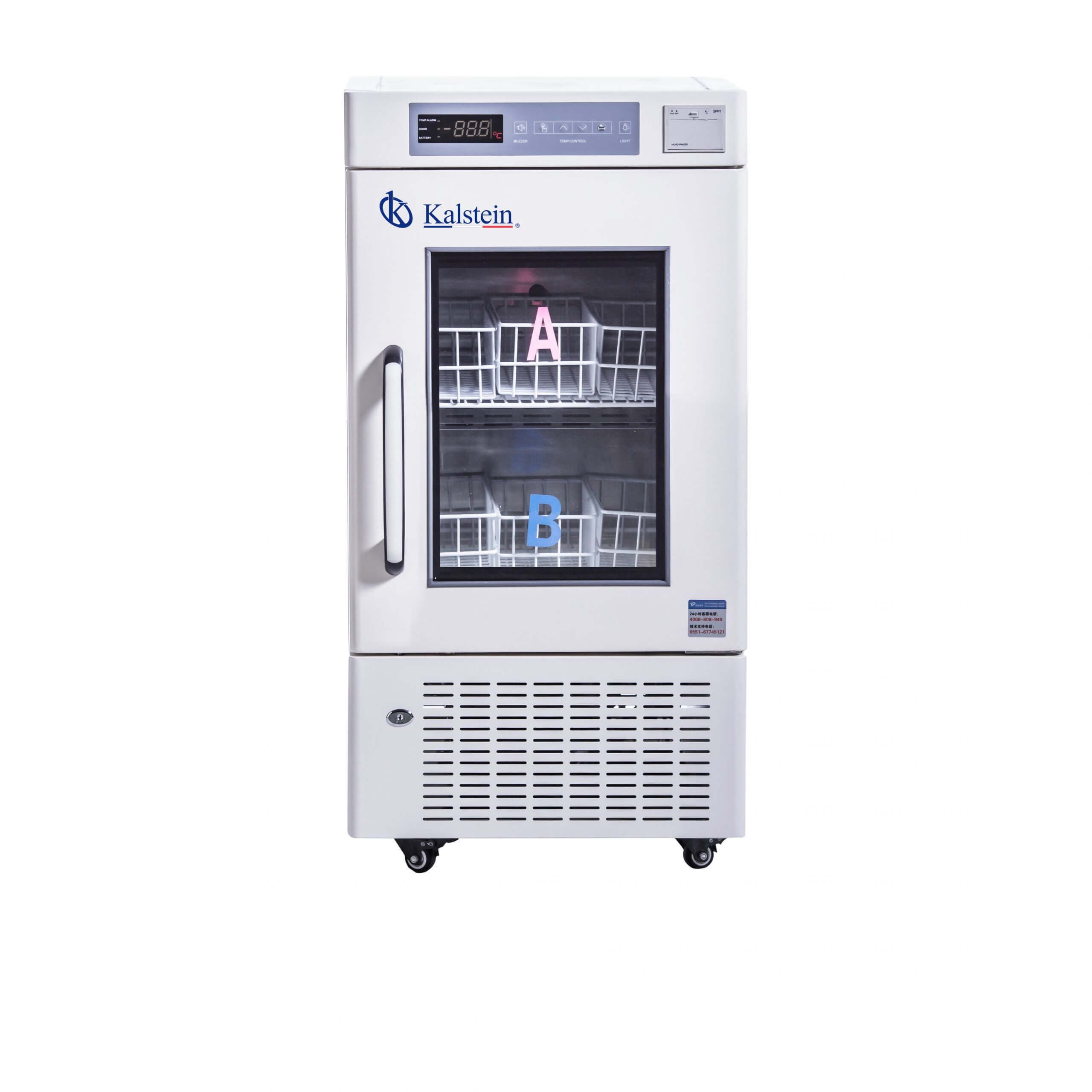
Blood Bank Refrigerators: Practical Applications and Techniques 2026
What is it used for in 2026
In 2026, Blood Bank Refrigerators play a crucial role in the preservation and storage of blood and its derivatives. These specialized refrigerators are designed to maintain a temperature range of 2 to 6 degrees Celsius, ensuring that blood components remain viable for transfusion. This is essential for hospitals, blood banks, and transfusion centers where blood safety and quality are paramount. The equipment is not only used for storing donated blood but also for maintaining pharmaceutical products and biological samples that require similar temperature control.
History and evolution of the technology
The technology behind Blood Bank Refrigerators has evolved significantly over the years. Originally, blood was stored in simple refrigeration units that could not regulate temperature precisely, leading to compromised blood quality. As the understanding of blood biology improved, so did the technology. Modern Blood Bank Refrigerators now feature microprocessor controls, advanced thermal insulation, and sophisticated alarm systems that alert staff to any deviations in temperature. This evolution has allowed for longer storage times and improved safety for patients receiving blood transfusions.
How to use it step by step
Using a Blood Bank Refrigerator involves several key steps:
- Installation: Ensure the refrigerator is installed in a stable environment free from direct sunlight and extreme temperatures.
- Initial Setup: Set the desired temperature range (typically between 2-6°C) using the microprocessor controls.
- Calibration: Calibrate the temperature sensors to ensure accurate readings.
- Loading: Carefully load the blood bags into the refrigerator, ensuring proper air circulation.
- Monitoring: Regularly check the digital display for temperature consistency and ensure alarms are functional.
- Maintenance: Schedule routine maintenance checks to verify that the cooling system is operating correctly and that the unit is clean and free of frost.
Best techniques and protocols
Implementing best practices ensures optimal performance of Blood Bank Refrigerators:
- Always use temperature monitoring systems to track temperature fluctuations.
- Use a first-in-first-out (FIFO) method for blood storage to minimize wastage.
- Perform regular inspections and maintenance to ensure reliability.
- Document all usage and maintenance activities for compliance and quality assurance.
Practical applications by laboratory type
Different laboratory types utilize Blood Bank Refrigerators in various ways:
- Hospitals: Store blood for transfusions during surgeries and emergencies.
- Blood Banks: Manage donations and maintain an inventory of blood components.
- Research Facilities: Preserve biological samples for studies and clinical trials.
Regulations, standards and certifications
Blood Bank Refrigerators must comply with various regulations and standards, such as:
- FDA regulations for blood storage.
- ISO standards for equipment safety and performance.
- Local health department guidelines.
Comparison with alternative technologies
When compared to other technologies, Blood Bank Refrigerators offer superior temperature control, reliability, and safety. Alternatives like standard refrigerators do not provide the same level of temperature monitoring and alarm systems, which are critical for blood storage. Additionally, Blood Bank Refrigerators are built with materials that minimize contamination risks, unlike general refrigeration units.
Comparison of available models
| Model | Best for | Key specs | Recommended use case |
|---|---|---|---|
| YR05091 | Blood storage and pharmaceuticals | 2 shelves, 2-6°C, 175W | Hospitals and blood banks requiring moderate storage |
| YR05092 | Blood storage with higher capacity | 4 shelves, 2-6°C, 183W | Facilities needing larger storage solutions |
| YR05094 | High-volume blood storage | 12 shelves, 2-6°C, 364W | Major blood banks with high turnover |
| YR05098 | Biological samples and vaccines | Direct cooling, -10 to -25°C, 260W | Research facilities requiring deep freezing |
| YR05292 | Bulk blood storage | 12 drawers, 4±1°C, 3490.00 | Large hospitals needing extensive storage |
| YR05292-1 | Similar to YR05292 | 12 drawers, 4±1°C, 1850.00 | Large scale usage in blood banks |
Common mistakes and how to avoid them
Laboratories often make the following mistakes with Blood Bank Refrigerators:
- Not checking temperature regularly; always monitor using the built-in systems.
- Overloading the refrigerator, which can disrupt airflow; adhere to the manufacturer's guidelines.
- Failure to perform routine maintenance; establish a schedule for checks and cleaning.
Maintenance, calibration and good practices 2026
To maintain efficiency in 2026, follow these practices:
- Regularly calibrate the temperature control system to ensure accuracy.
- Keep the unit clean and free of obstructions.
- Document all maintenance activities for compliance and quality assurance purposes.
Cost-benefit analysis 2026
Investing in a Blood Bank Refrigerator is justified by:
- Improved blood storage safety and longevity.
- Compliance with regulations that minimize liability.
- Reduction in blood wastage through efficient inventory management.
Frequently asked questions
What should I consider when choosing a Blood Bank Refrigerator?
Consider the storage capacity, temperature consistency, and any additional features such as alarms and digital displays. Ensure the model meets your laboratory's needs.
How do I ensure proper maintenance of the refrigerator?
Regularly check and calibrate the temperature settings, clean the interior and exterior surfaces, and conduct routine checks on the cooling system and alarms.
What is the best temperature range for storing blood?
The optimal temperature range for storing blood is between 2 to 6 degrees Celsius to maintain its viability.
Can I store other medical products in Blood Bank Refrigerators?
Yes, they can be used to store other biological products, pharmaceuticals, and vaccines that require similar temperature control.
How often should I check the temperature of the refrigerator?
It is advisable to check the temperature daily and document it to ensure compliance with safety standards.
What are the indicators of a malfunctioning refrigerator?
Look out for alarms indicating high or low temperatures, unusual noises, or any visible frost buildup that may indicate an issue.
How can I request a quote for a Blood Bank Refrigerator?
Please reach out for a quote to find the best options for your laboratory needs.
If you are looking for a fusion of innovation and quality, you have come to the right place. At Kalstein, we offer you the luxury of exploring our exclusive catalog of laboratory equipment. We manufacture every device to the highest standards of excellence. Our intuitive and seamless online purchasing channels are designed for your convenience, securing the most competitive prices. Hesitate no longer — we bring science to life, it is time to become part of our community.