Brix Refractometers: Practical Usage Guide Step by Step 2026
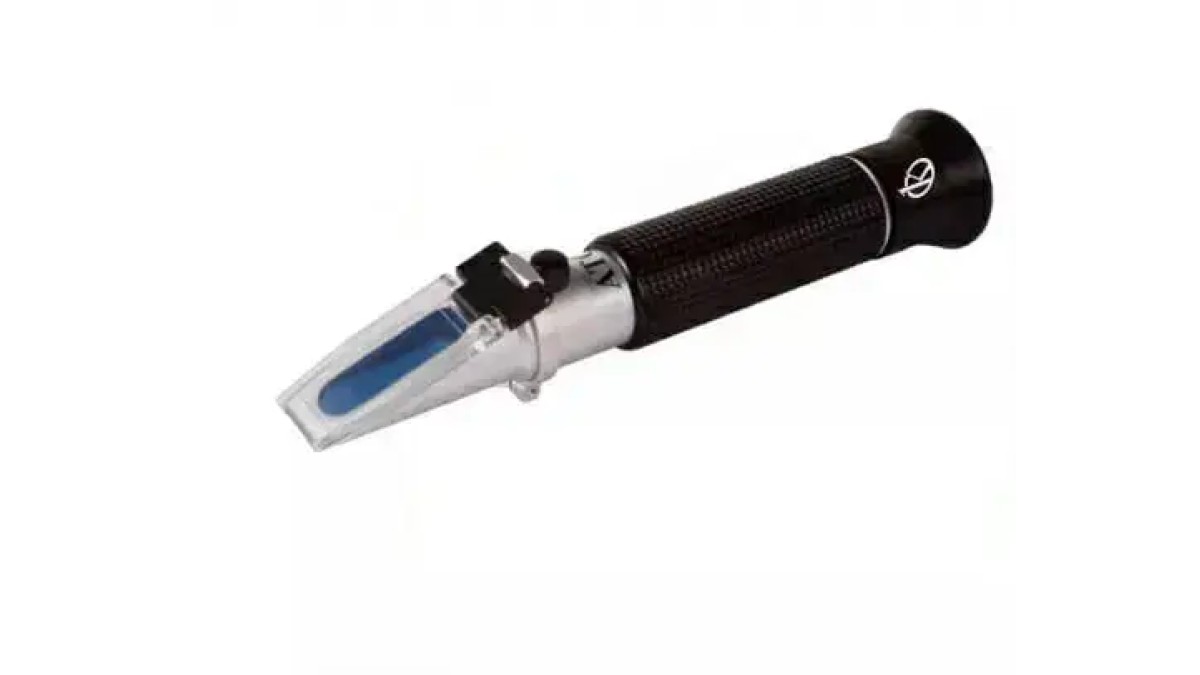
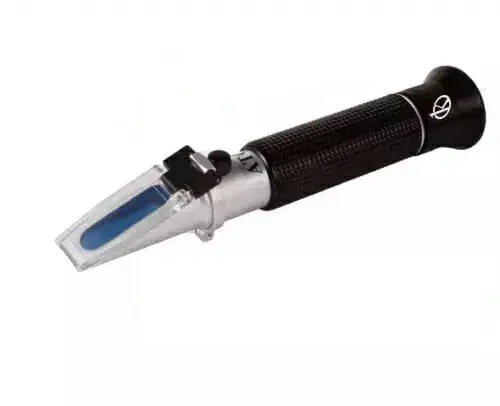
Brix refractometers are essential tools used in various laboratory settings to measure the sugar content in different solutions. This guide aims to provide laboratory professionals with a comprehensive understanding of how to operate these devices effectively, the contexts in which they are applied, and best practices for 2026.
What is it used for in 2026
In 2026, Brix refractometers are widely utilized across multiple industries, including agriculture, food and beverage production, and chemical analysis. They measure the Brix value, indicating the sugar content in fruits, vegetables, and other liquids. This information is crucial for winemakers, brewers, and food manufacturers to ensure product quality and consistency.
History and evolution of the technology
The technology behind Brix refractometers has evolved significantly since its inception. Originally developed over a century ago, these devices have transitioned from manual optical systems to more advanced digital technologies. The introduction of automatic temperature compensation (ATC) has further enhanced their accuracy, allowing users to obtain reliable results across varying temperature conditions.
How to use it step by step
Using a Brix refractometer involves several key steps:
- Preparation: Ensure the refractometer is clean and calibrated according to the manufacturer’s instructions.
- Sample Collection: Collect the sample you wish to measure, ensuring it is free of bubbles and contaminants.
- Applying the Sample: Place a few drops of the sample on the prism of the refractometer.
- Reading the Measurement: Close the cover, look through the eyepiece, and note the reading where the boundary line between light and dark meets the scale.
- Cleaning: After measurement, clean the prism surface thoroughly to avoid cross-contamination.
Best techniques and protocols
To achieve the most accurate measurements with Brix refractometers, consider the following best practices:
- Always calibrate the refractometer with distilled water before use.
- Use a consistent sample size for reliable results.
- Ensure samples are at the recommended temperature for measurement.
- Record measurements immediately to track any variations in results.
Practical applications by laboratory type
Brix refractometers serve various functions in different laboratory settings:
- Agricultural Laboratories: Used to determine the ripeness of fruits and the quality of crops.
- Food and Beverage Laboratories: Essential for measuring sugar content in juices, wines, and syrups.
- Research Laboratories: Useful in chemical analysis for determining solute concentrations.
Regulations, standards and certifications
In 2026, Brix refractometers must comply with several industry standards. The devices should meet the specifications set by organizations such as ASTM International and ISO for accuracy and reliability in measurements. Laboratories using these devices should keep documentation of compliance to ensure quality control.
Comparison with alternative technologies
While Brix refractometers are widely used, alternative methods exist for measuring sugar content, including:
- Hydrometers: Used for specific gravity measurements but can be less precise than refractometers.
- Digital Sugar Meters: Provide a direct digital readout but may be more expensive than traditional refractometers.
Comparison of available models
| Model | Best for | Key specs | Recommended use case |
|---|---|---|---|
| YR05872 | Low sugar content measurements | 0-5% Brix, ± 0.10% Brix | Ideal for testing young wines and fruit juices. |
| YR05873 | General sugar content analysis | 0-10% Brix, ± 0.10% Brix | Suitable for various fruits and vegetable juices. |
| YR05874 | Medium sugar content testing | 0-18% Brix, ± 0.10% Brix | Best for syrup production quality control. |
| YR05875 | Higher sugar content analysis | 0-20% Brix, ± 0.10% Brix | Used in brewing and winemaking industries. |
| YR05876 | High sugar concentration testing | 0-32% Brix, ± 0.10% Brix | Ideal for concentrated fruit juices and syrups. |
| YR05877 | Versatile sugar measurement | 0-5% Brix, ± 0.10% Brix | Good for food production and quality checks. |
Common mistakes and how to avoid them
Some common mistakes when using Brix refractometers include:
- Not calibrating: Always calibrate before use to ensure accuracy.
- Ignoring temperature effects: Ensure samples are at the correct temperature for reliable readings.
- Using insufficient sample size: Apply enough liquid to cover the prism adequately.
Maintenance, calibration and good practices 2026
To ensure the longevity and accuracy of Brix refractometers:
- Regularly clean the prism with mild detergent and distilled water.
- Calibrate before each use, especially in changing temperatures.
- Store in a protective case to prevent damage and dust accumulation.
Cost-benefit analysis 2026
Investing in a Brix refractometer can significantly enhance laboratory efficiency. The cost of these devices is relatively low, considering the accuracy and reliability they provide. The benefits include:
- Improved product consistency and quality.
- Lower costs in raw materials through accurate measurements.
- Enhanced productivity in testing processes.
Frequently asked questions
How do I choose the right Brix refractometer for my needs?
Consider the sugar concentration range you will be measuring, the precision required, and the specific applications you have in mind.
Can I use a Brix refractometer for other liquids besides juices?
Yes, Brix refractometers can measure sugar content in various liquids, including syrups, beers, and certain chemical solutions.
What maintenance is required for Brix refractometers?
Regular cleaning of the prism and calibration before each use are essential for maintaining accuracy and prolonging the device's lifespan.
How do temperature variations affect Brix measurements?
Temperature can impact the refractive index of liquids. Automatic temperature compensation (ATC) is crucial for accurate readings in varying conditions.
Are Brix refractometers suitable for professional laboratory use?
Yes, Brix refractometers are widely used in professional laboratories due to their accuracy, reliability, and ease of use.
What should I do if my readings seem inconsistent?
Check the calibration, ensure the sample size is adequate, and confirm that the temperature is appropriate for measurement.
Where can I find high-quality Brix refractometers?
You can explore a variety of Brix refractometers that meet quality standards by contacting us for a quote.
If you are looking for a fusion of innovation and quality, you have come to the right place. At Kalstein, we offer you the luxury of exploring our exclusive catalog of laboratory equipment. We manufacture every device to the highest standards of excellence. Our intuitive and seamless online purchasing channels are designed for your convenience, securing the most competitive prices. Hesitate no longer — we bring science to life, it is time to become part of our community.