Car Refractometers: Practical Applications and Techniques 2026
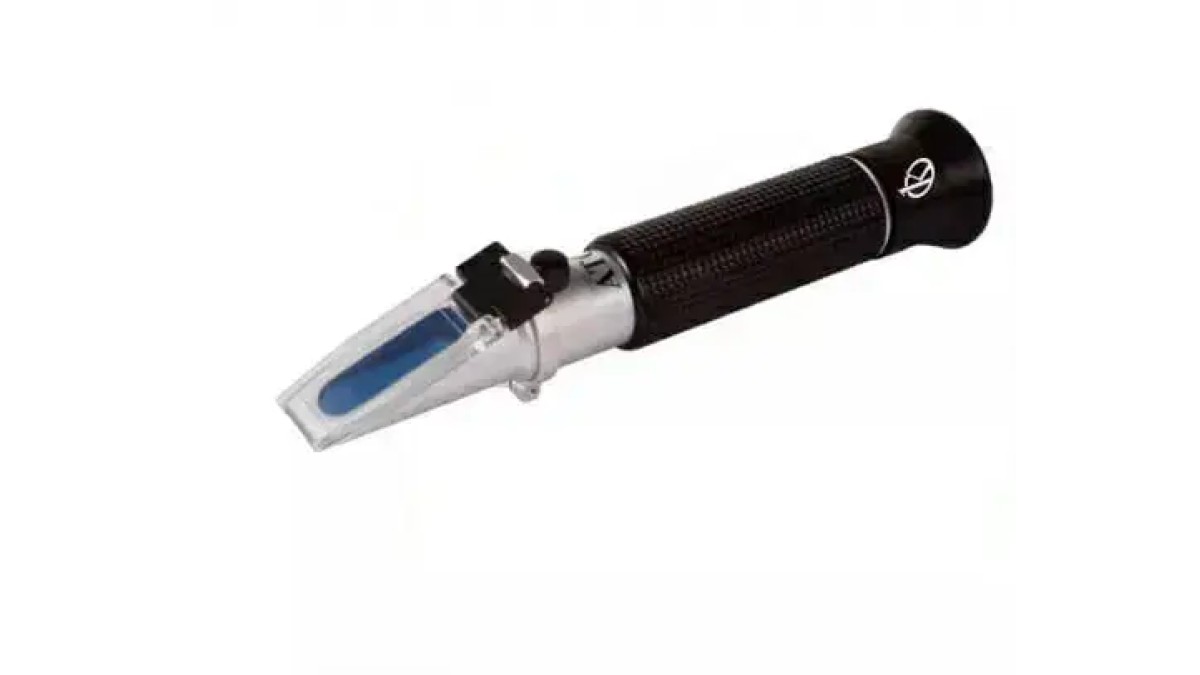
In the field of laboratory testing, car refractometers have become an essential tool for monitoring and analyzing coolants and fluids in automotive applications. These instruments provide vital information on the concentration of antifreeze and coolant solutions, ensuring optimal vehicle performance and safety. In this comprehensive guide, we will explore the various applications, best practices, and techniques involved in using car refractometers effectively in laboratory settings in 2026.
What is it used for in 2026
Car refractometers are primarily used to measure the refractive index of fluids, which helps in determining the concentration of antifreeze solutions, such as ethylene glycol and propylene glycol. In automotive laboratories, these devices ensure that the cooling systems are filled with the correct concentrations of antifreeze to prevent engine overheating and freezing. Additionally, they can also be utilized to assess the freezing point of windshield washer fluids, thereby enhancing vehicle safety during cold weather conditions. Their ability to provide instant readings makes them a preferred choice in both field testing and laboratory environments.
History and evolution of the technology
The refractometer, invented in the late 19th century, revolutionized fluid analysis by allowing for precise measurements of refractive indices. Over the years, advancements in technology have led to the development of specialized refractometers for different applications, including automotive uses. The introduction of automatic temperature compensation (ATC) has significantly enhanced the accuracy of measurements, allowing these devices to function effectively across various temperatures. As vehicle technology continues to evolve, car refractometers have adapted to meet the demands of modern automotive fluids and industry standards.
How to use it step by step
Using a car refractometer involves a straightforward process:
- Calibration: Before use, ensure the refractometer is calibrated according to the manufacturer's specifications. This may involve using distilled water to set the zero point.
- Sample Preparation: Collect a small sample of the fluid to be tested, such as coolant or windshield washer fluid.
- Sample Application: Place a few drops of the fluid onto the refractometer's prism.
- Measurement: Close the cover plate and look through the eyepiece to read the refractive index or concentration scale. Note the reading for analysis.
- Clean-Up: After measuring, clean the prism carefully to avoid contamination of future samples.
Best techniques and protocols
To ensure accurate measurements and maintain the longevity of the refractometer, the following techniques and protocols should be adhered to:
- Always use clean sampling tools to prevent cross-contamination.
- Perform multiple measurements for consistency and average the results to improve accuracy.
- Store the refractometer in a protective case to avoid damage and maintain calibration.
- Regularly check calibration, especially when used in different environmental conditions.
Practical applications by laboratory type
Car refractometers are utilized across various laboratory settings:
- Automotive Service Stations: Used for routine testing of coolant concentrations to ensure optimal engine performance.
- Research Laboratories: Employed in the testing of new coolant formulations and their effectiveness under varying temperature conditions.
- Quality Control Labs: Used to verify that products meet industry standards for antifreeze concentration and performance.
Regulations, standards and certifications
Car refractometers must comply with various industry standards to ensure reliability and accuracy. The American Society for Testing and Materials (ASTM) provides guidelines for testing antifreeze and similar fluids. Additionally, certain manufacturers may seek certification under ISO standards, ensuring their products meet international quality benchmarks.
Comparison with alternative technologies
While car refractometers are widely used, alternative technologies such as digital refractometers and hydrometers also exist. Digital refractometers offer automated readings and can provide more extensive data analysis. However, they are often more expensive and require batteries. Hydrometers, on the other hand, are simpler but less accurate than refractometers, particularly for low volumes of fluid.
Comparison of available models
| Model | Best for | Key specs | Recommended use case |
|---|---|---|---|
| YR05916 | Measuring ethylene glycol and propylene glycol concentrations | Range: -60°C–0°C; Accuracy: ±0.01sg | Testing automotive antifreeze fluid |
| YR05917 | Measuring ethylene glycol and propylene glycol concentrations | Range: -60°C–0°C; Accuracy: ±0.01sg | Testing automotive antifreeze fluid |
| YR05918 | Measuring windshield washer fluid concentrations | Range: -60°F–32°F; Accuracy: ±0.01sg | Testing windshield washer fluid |
| YR05919 | Measuring ethylene glycol and propylene glycol concentrations | Range: -60°C–0°C; Accuracy: ±0.01sg | Testing automotive antifreeze fluid |
| YR05920 | Measuring ethylene glycol and propylene glycol concentrations | Range: -60°C–0°C; Accuracy: ±0.01sg | Testing automotive antifreeze fluid |
| YR05921 | Measuring ethylene glycol and propylene glycol concentrations | Range: -60°C–0°C; Accuracy: ±0.01sg | Testing automotive antifreeze fluid |
Common mistakes and how to avoid them
When using car refractometers, several common mistakes can lead to inaccurate readings:
- Improper Calibration: Always calibrate the refractometer before use to ensure accuracy.
- Contaminated Samples: Use clean tools and avoid touching the prism with fingers to prevent contamination.
- Ignoring Temperature Effects: Be aware of temperature variations and use ATC features when available.
Maintenance, calibration and good practices 2026
Maintaining a car refractometer is crucial for its longevity and performance. Regular cleaning after each use and periodic calibration checks are essential. Store the refractometer in a dry, cool place and handle it with care to avoid damage. Following the manufacturer's guidelines for maintenance will ensure reliable operation over time.
Cost-benefit analysis 2026
The investment in a car refractometer can yield substantial benefits in terms of efficiency and reliability. Considering the potential costs associated with engine damage from improper coolant concentrations, the cost of a refractometer is justified. Moreover, the ability to conduct in-house testing can save time and reduce reliance on third-party laboratories, providing a cost-effective solution for automotive service providers.
Frequently asked questions
What types of fluids can be tested with a car refractometer?
A car refractometer can be used to test various automotive fluids, including antifreeze (ethylene glycol and propylene glycol solutions) and windshield washer fluids.
How often should I calibrate my car refractometer?
It is recommended to calibrate your car refractometer before each use, particularly if you are testing fluids under varying temperature conditions.
Can I use a car refractometer for other applications?
While car refractometers are specialized for automotive fluids, they may also be used in other applications requiring refractive index measurements, depending on the specific model and its capabilities.
What is the importance of automatic temperature compensation (ATC)?
Automatic temperature compensation (ATC) ensures that readings are accurate regardless of the temperature of the fluid being tested, making measurements more reliable and consistent.
How can I ensure accurate measurements when using a refractometer?
To ensure accurate measurements, always calibrate the device before use, handle samples with clean tools, and perform multiple measurements to confirm consistency.
What are the advantages of using a digital refractometer over an analog model?
Digital refractometers typically provide automated readings, enhanced accuracy, and often include data logging features, making them easier to use and more efficient than analog models.
Where can I purchase a car refractometer?
Car refractometers can be purchased from specialized laboratory equipment suppliers or directly from manufacturers. Request a quote on Kalstein Plus for competitive pricing.
If you are looking for a fusion of innovation and quality, you have come to the right place. At Kalstein, we offer you the luxury of exploring our exclusive catalog of laboratory equipment. We manufacture every device to the highest standards of excellence. Our intuitive and seamless online purchasing channels are designed for your convenience, securing the most competitive prices. Hesitate no longer — we bring science to life, it is time to become part of our community.