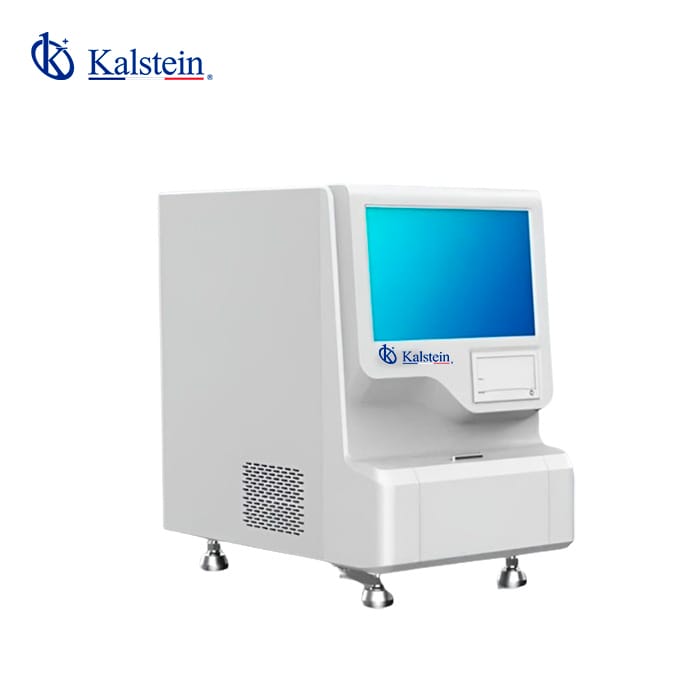
Chemiluminescence Immunoassay Analyzers: Practical Applications and Techniques 2026
Chemiluminescence immunoassay analyzers are pivotal tools in modern clinical laboratories, providing rapid and precise diagnostic results. In 2026, understanding how to effectively utilize these analyzers can significantly enhance workflow efficiency and patient outcomes.
What is it used for in 2026
In 2026, chemiluminescence immunoassay analyzers are primarily used for the detection and quantification of various biomarkers in human samples. These analyzers facilitate a broad spectrum of tests, such as hormone levels, infectious disease markers, and tumor markers. The ability to process multiple samples simultaneously allows for high-throughput testing, making them essential in emergency rooms, outpatient settings, and hospital laboratories.
History and evolution of the technology
The technology behind chemiluminescent immunoassays has evolved significantly since its inception. Initially, enzyme-linked immunosorbent assays (ELISA) dominated the market. However, the introduction of chemiluminescence offered enhanced sensitivity and quicker results. Over the years, advancements in detection technologies, automation, and software have further refined the capabilities of these analyzers, making them more user-friendly and efficient.
How to use it step by step
Using a chemiluminescence immunoassay analyzer involves several key steps:
- Preparation: Collect and prepare samples according to the manufacturer’s guidelines.
- Calibration: Calibrate the analyzer using control samples to ensure accuracy.
- Testing: Load the samples into the analyzer and select the appropriate assay protocols.
- Running the assay: Initiate the test, allowing the analyzer to perform the necessary reactions.
- Result analysis: Once complete, analyze the data and generate reports as needed.
Best techniques and protocols
Implementing best practices when using chemiluminescence immunoassay analyzers is essential for obtaining reliable results. Here are some recommended techniques:
- Use fresh reagents and calibrators for each test batch.
- Regularly maintain and calibrate the equipment.
- Follow manufacturer protocols meticulously for sample handling and assay execution.
Practical applications by laboratory type
Chemiluminescence analyzers find applications across various laboratory settings:
- Clinical Laboratories: For routine diagnostic tests and biomarker evaluation.
- Emergency Departments: Rapid testing capabilities for urgent patient care.
- Outpatient Clinics: Point-of-care testing for hormone levels and infectious diseases.
Regulations, standards and certifications
In 2026, laboratories using chemiluminescence immunoassay analyzers must adhere to strict regulations and standards, including:
- ISO 13485 for medical device quality management systems.
- CLIA regulations to ensure quality laboratory testing.
- FDA clearance for specific analyzer models and assays.
Comparison with alternative technologies
Chemiluminescence immunoassay analyzers have distinct advantages over other diagnostic methods such as ELISA and radioimmunoassays:
- Speed: Rapid results compared to traditional methods.
- Sensitivity: Higher sensitivity, allowing for lower detection limits.
- Automation: Enhanced automation reduces manual errors and labor costs.
Comparison of available models
| Model | Best for | Key specs | Recommended use case |
|---|---|---|---|
| YR06387 | High throughput clinical testing | 300-650 nm; 8 channels; 24h operation | Routine clinical diagnostics |
| YR06388 | Emergency testing | 300-650 nm; 16 channels; 24h operation | Rapid test scenarios |
| YR06389 | Outpatient testing | 120T/h; 15 min results | Urgent care facilities |
| YR06390 | High sensitivity testing | 220T/h; 15 min results | Clinical diagnostics requiring precision |
| YR06710 | Compact analysis | 1-12 samples; space-efficient | Small lab environments |
Common mistakes and how to avoid them
Common mistakes in using chemiluminescence immunoassay analyzers include:
- Neglecting calibration routines: Always calibrate before use.
- Inadequate sample preparation: Follow sample handling protocols strictly.
- Ignoring maintenance schedules: Regular maintenance prevents breakdowns and inaccuracies.
Maintenance, calibration and good practices 2026
To ensure optimal performance in 2026, chemiluminescence immunoassay analyzers require regular maintenance and calibration:
- Perform daily cleaning of sample areas.
- Calibrate with standard control samples weekly.
- Monitor software updates for improved functionality.
Cost-benefit analysis 2026
Investing in chemiluminescence immunoassay analyzers can provide significant benefits, including:
- Reduced labor costs through automation.
- Increased throughput, allowing for more tests in less time.
- Improved patient outcomes due to quicker diagnostics.
Frequently asked questions
What are the key factors to consider when choosing a chemiluminescence immunoassay analyzer?
When selecting an analyzer, consider throughput requirements, the range of assays available, ease of use, and maintenance needs.
How do I ensure accurate results with my analyzer?
Maintain a strict calibration schedule, use quality reagents, and follow manufacturer protocols for sample handling and testing procedures.
Can I use different sample types with these analyzers?
Yes, most analyzers can handle various sample types, including serum, plasma, and whole blood, depending on the specific assay setup.
What maintenance is required for these analyzers?
Regular maintenance includes cleaning, calibration, software updates, and ensuring that all components are in working condition to optimize performance.
Are chemiluminescence immunoassay analyzers suitable for small laboratories?
Yes, compact models are designed specifically for small laboratories, allowing efficient use of limited space while providing high-quality results.
What is the average cost of chemiluminescence immunoassay analyzers?
The cost can vary widely based on features and capacity, ranging from approximately $3,500 to $15,000, depending on the model and its specifications.
If you are looking for a fusion of innovation and quality, you have come to the right place. At Kalstein, we offer you the luxury of exploring our exclusive catalog of laboratory equipment. We manufacture every device to the highest standards of excellence. Our intuitive and seamless online purchasing channels are designed for your convenience, securing the most competitive prices. Hesitate no longer — we bring science to life, it is time to become part of our community.