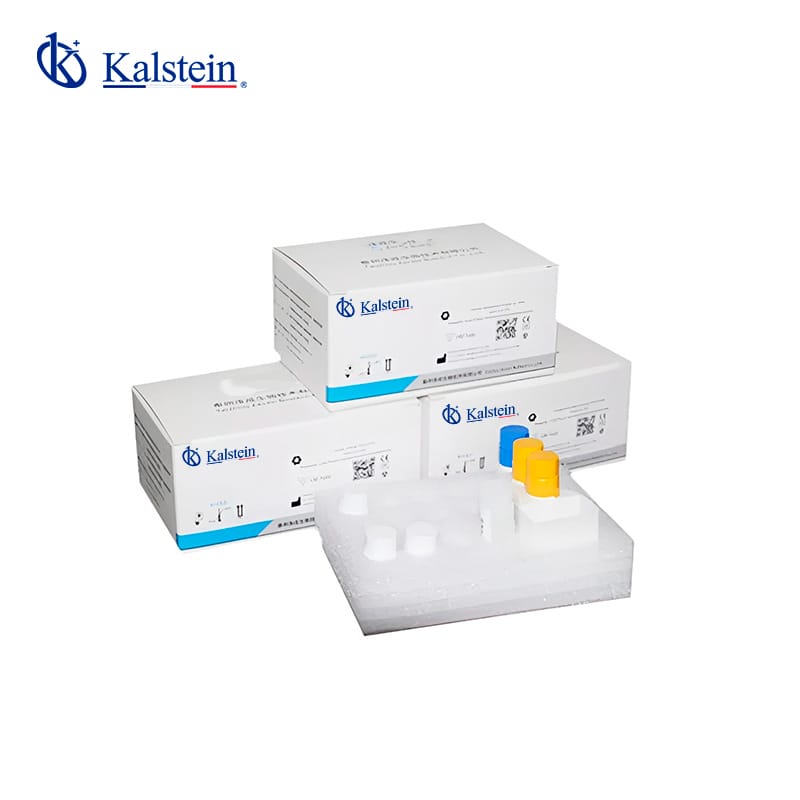
Chemiluminescence Reagents: ROI and Cost-Benefit Analysis for the Laboratory 2026
Chemiluminescence reagents represent a critical segment of laboratory diagnostics, particularly for thyroid disease testing. As laboratory professionals strive to enhance diagnostic accuracy while managing costs, understanding the return on investment (ROI) of these reagents is imperative. This article delves into the cost-benefit analysis of various chemiluminescence reagents for 2026, highlighting multiple models, their economic implications, and operational efficiencies.
Understanding the Economic Impact of Chemiluminescence Reagents
In a laboratory environment, the choice of reagents can significantly influence both operational costs and patient outcomes. Chemiluminescence reagents, such as the Thyroid Disease Test Kits, provide extensive testing capabilities, including TSH, FT3, and FT4 assessments among others. Their application in routine diagnostics has shown potential for reducing costs through efficient testing mechanics and accurate results, which ultimately leads to decreased patient management costs.
ROI Metrics and Their Importance in Laboratory Settings
The calculation of ROI involves evaluating both direct and indirect costs associated with chemiluminescence reagents. Key metrics include capital expenditures (CAPEX), operational expenditures (OPEX), cost per test, and anticipated payback periods. By quantifying these aspects, laboratories can better understand which chemiluminescence reagents, such as the YRA279, YRA280, or YRA284, offer the best financial return in their specific operational context.
Comparison of Available Models
| Model | CAPEX (USD) | Cost per Test (USD) | Payback (Months) | Recommended Scenario |
|---|---|---|---|---|
| YRA279 | 15.00 | 0.30 | 12 | High testing volume |
| YRA280 | 15.00 | 0.30 | 12 | High testing volume |
| YRA281 | 15.00 | 0.30 | 12 | High testing volume |
| YRA282 | 15.00 | 0.30 | 12 | High testing volume |
| YRA283 | 35.00 | 0.50 | 15 | Mixed testing scenarios |
| YRA284 | 35.00 | 0.50 | 15 | Mixed testing scenarios |
Cost Analysis of Chemiluminescence Reagents
Understanding the cost structure of chemiluminescence reagents involves analyzing both direct costs, such as purchasing reagents, and indirect costs, including labor and equipment maintenance. For instance, a typical cost per test for the YRA279 and YRA280 might be around $0.30, leading to significant savings when performed at scale.
Common Mistakes and How to Avoid Them
Laboratories often make errors in estimating the total cost of ownership for chemiluminescence reagents. A common mistake includes neglecting to factor in the consumables used in each test. To provide a clearer understanding, it is crucial to track all costs related to each model over time and adjust purchasing strategies accordingly.
Frequently Asked Questions
What is the estimated ROI for chemiluminescence reagents in 2026?
The estimated ROI for chemiluminescence reagents like the YRA279 and YRA280 is projected to be substantial, with a payback period of around 12 months. This is primarily due to their low cost per test of approximately $0.30, enabling efficient resource allocation in laboratories.
How much does a chemiluminescence reagent cost for thyroid testing?
Chemiluminescence reagents for thyroid testing, such as the YRA284, typically cost around $15.00 for the kit, with the cost per test being around $0.50. The pricing reflects both the reagent's efficiency and the comprehensive testing capabilities provided.
Which chemiluminescence model is best for high-throughput labs in 2026?
The YRA279 and YRA280 models are ideal for high-throughput laboratories due to their robust testing capabilities and low cost per test of around $0.30. These models are designed to handle high volumes without compromising accuracy or reliability.
What are the key parameters tested using chemiluminescence reagents?
Chemiluminescence reagents like the YRA281 test several key parameters including TSH, TT3, TT4, FT3, and FT4. These tests are crucial for assessing thyroid function in patients and aid in accurate diagnosis, contributing to better patient management.
How do chemiluminescent assays compare to traditional methods?
Chemiluminescent assays, such as those performed with YRA283, provide higher sensitivity and specificity compared to traditional immunoassays. This enhances diagnostic accuracy, which is vital for effective patient care and can significantly impact laboratory efficiency and cost-effectiveness.
What factors influence the cost-effectiveness of chemiluminescence reagents?
Several factors influence the cost-effectiveness of chemiluminescence reagents, including the purchase price per kit, the volume of tests conducted, and the operational efficiency of the lab. Choosing models like the YRA284 with a balanced cost-to-performance ratio can optimize lab expenditure.
How can laboratories maximize the benefits of chemiluminescence reagents?
Laboratories can maximize the benefits of chemiluminescence reagents by conducting thorough cost analyses, optimizing reagent usage, and training staff on efficient testing protocols. Utilizing models such as the YRA280 with low cost per test can lead to significant savings over time.
What certifications should labs look for in chemiluminescence reagents?
Labs should look for certifications such as CE, ISO 13485, and FSC to ensure quality and reliability in chemiluminescence reagents. Models like the YRA279 are compliant with these standards, ensuring they meet regulatory requirements and enhance laboratory credibility.
If you are looking for a fusion of innovation and quality, you have come to the right place. At Kalstein, we offer you the luxury of exploring our exclusive catalog of laboratory equipment. We manufacture every device to the highest standards of excellence. Our intuitive and seamless online purchasing channels are designed for your convenience, securing the most competitive prices. Hesitate no longer — we bring science to life, it is time to become part of our community.