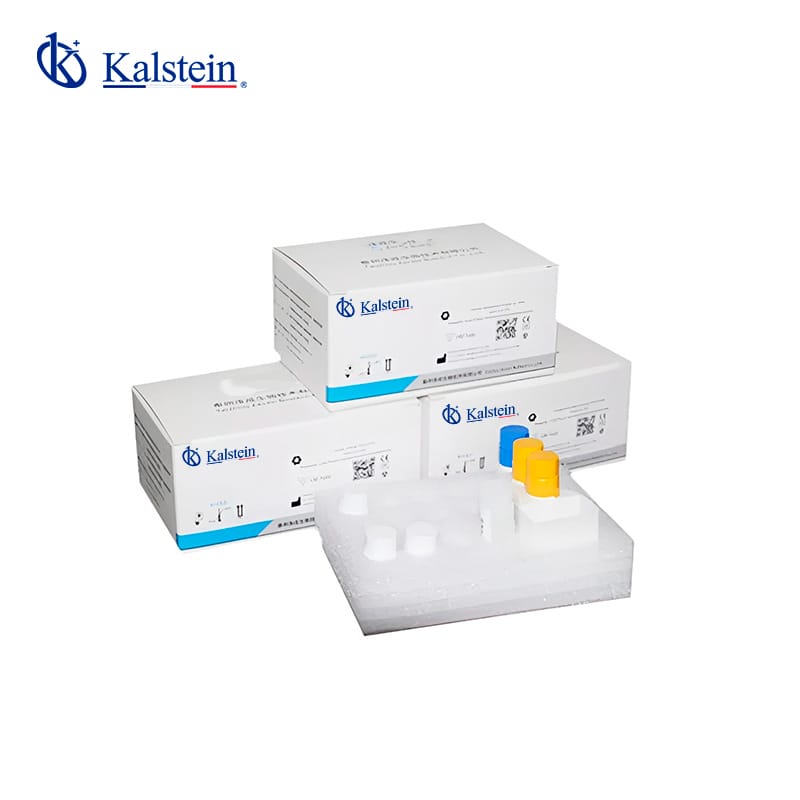
Comparative Analysis of Chemiluminescence Reagents: Choosing the Best for Thyroid Disease Testing
Chemiluminescence reagents have become indispensable tools in the diagnosis of thyroid diseases, providing essential insights into hormonal levels and ensuring accurate patient management. In this article, we will delve into the comparative analysis of various chemiluminescence reagent models, focusing on their unique features and practical applications within laboratory settings.
Understanding the Importance of Chemiluminescence Reagents in Thyroid Testing
Chemiluminescence assays are widely used for their high sensitivity and specificity in measuring biomarkers related to thyroid function such as TSH, FT3, TT3, TT4, and antibody levels. Accurate assessment of these hormones is crucial for diagnosing conditions like hypothyroidism and hyperthyroidism. The use of chemiluminescence technology allows for rapid and efficient testing, enabling timely patient care.
Comparison of Available Models
| Model | Test Parameters | Packaging Specifications | Price (USD) | Best For |
|---|---|---|---|---|
| YRA279 | TSH, TT3, TT4, FT3, FT4, TFAb, TPOAb, TRAb | 50T/Box, 100T/Box | 15.00 | Comprehensive thyroid function testing |
| YRA280 | TSH, TT3, TT4, FT3, FT4, TFAb, TPOAb, TRAb | 24T/Box, 48T/Box | 15.00 | Routine screening and diagnosis |
| YRA281 | TSH, TT3, TT4, FT3, FT4, TFAb, TPOAb, TRAb | 50T/Box, 100T/Box | 15.00 | General thyroid dysfunction assessment |
| YRA282 | TSH, TT3, TT4, FT3, FT4, TFAb, TPOAb, TRAb | 50T/Box, 100T/Box | 15.00 | Specialized in hormonal imbalance evaluation |
| YRA283 | TSH, TT3, TT4, FT3, FT4, TFAb, TPOAb, TRAb | 50T/Box, 100T/Box | 15.00 | Efficient screening for thyroid disorders |
| YRA284 | TSH, TT3, TT4, FT3, FT4, TFAb, TPOAb, TRAb | 50T/Box | 35.00 | High throughput analysis capabilities |
Common Mistakes and How to Avoid Them
Laboratory professionals often encounter pitfalls when working with chemiluminescence reagents. Some common mistakes include improper storage conditions, not adhering to calibration schedules, and misinterpretation of results due to lack of proper training. It is vital to ensure that reagents are stored at recommended temperatures, typically between 2-8°C, and that staff are adequately trained in interpreting test results. Regular calibration is essential to maintain accuracy and reliability in test outcomes.
Cost-Benefit Analysis of Chemiluminescence Reagents in Thyroid Testing
Understanding the financial implications of using chemiluminescence reagents is crucial for laboratories. A detailed cost-benefit analysis can help facilities make informed decisions about which reagents to use for thyroid testing. For instance, while some reagents may have higher upfront costs, their efficiency and accuracy can lead to greater long-term savings by reducing repeat tests and enhancing patient throughput.
Technical Specifications and Performance Metrics
Each chemiluminescence reagent model presents distinct technical specifications that can influence their performance. For example, all models tested parameters such as TSH, TT3, TT4, FT3, FT4, TFAb, TPOAb, and TRAb, but their calibration methods and storage requirements may vary. Understanding these differences allows laboratory professionals to select the most appropriate reagent for their specific needs.
Practical Applications of Chemiluminescence Reagents in Clinical Settings
In clinical laboratories, the choice of chemiluminescence reagents is influenced by various factors including the volume of tests performed, required turnaround time, and specificity for certain thyroid markers. Each model, such as YRA279 and YRA284, serves different scenarios based on their packaging and pricing structures, making it essential to align the reagent choice with laboratory capabilities and patient needs.
FAQs
What are the key benefits of using YRA279 for thyroid disease testing?
The YRA279 model provides comprehensive testing for several thyroid-related biomarkers, including TSH and FT4, ensuring accurate diagnostics. Its packaging of 50T and 100T makes it suitable for both routine and high-volume testing scenarios, offering a cost-effective option at $15.00 per box.
How does YRA284 enhance the efficiency of thyroid function tests?
The YRA284 model is designed for high throughput with efficient testing capabilities. Priced at $35.00, it allows laboratories to process a higher volume of samples which ultimately leads to faster patient turnaround times and improved clinical workflow.
What common mistakes should be avoided when using chemiluminescence reagents?
Common mistakes include improper storage, which can affect reagent stability, and failing to follow calibration protocols. Ensuring that reagents like YRA280 are stored between 2-8°C can prevent degradation, maintaining their efficacy in testing.
How can YRA281 support routine thyroid screening in a lab?
The YRA281 model is tailored for general thyroid dysfunction assessments and is an excellent choice for routine screenings due to its affordability at $15.00. Its ability to accurately measure key hormones makes it essential in identifying thyroid-related health issues early.
What financial advantages do chemiluminescence reagents offer laboratories?
Chemiluminescence reagents can reduce overall testing costs by minimizing repeat tests and maximizing throughput. For example, using YRA283 can enhance testing efficiency at $15.00 per box, ultimately resulting in long-term savings for laboratories.
How does the packaging of YRA282 benefit high-volume laboratories?
The YRA282 model comes in various packaging options, including 50T and 100T boxes, making it a flexible choice for high-volume laboratories. This adaptability enables labs to tailor their inventory according to testing demands without compromising quality.
What specific parameters does YRA280 measure in thyroid testing?
The YRA280 model measures essential thyroid markers such as TSH, TT3, TT4, FT3, and FT4, ensuring comprehensive evaluation of thyroid function. This model is particularly beneficial for routine screenings due to its affordability and reliability.
How can I request a quote for chemiluminescence reagents?
Interested customers are encouraged to request a quote for chemiluminescence reagents directly through Kalstein. This process allows laboratories to receive personalized pricing based on their specific needs and testing volumes.
If you are looking for a fusion of innovation and quality, you have come to the right place. At Kalstein, we offer you the luxury of exploring our exclusive catalog of laboratory equipment. We manufacture every device to the highest standards of excellence. Our intuitive and seamless online purchasing channels are designed for your convenience, securing the most competitive prices. Hesitate no longer — we bring science to life, it is time to become part of our community.