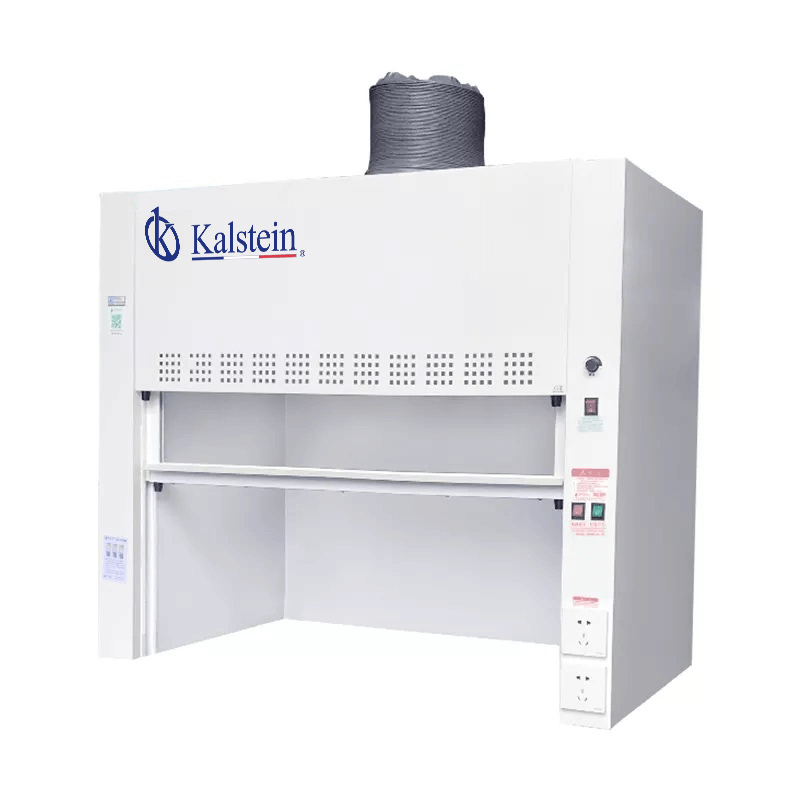
Comparative Analysis of Fume Hood Cabinets: Choosing the Best Model for Your Laboratory
Fume hood cabinets are essential for ensuring safety and compliance in laboratory environments where hazardous substances are handled. This article provides a comparative analysis of various fume hood cabinets available in the market, focusing on their specifications, benefits, and how they stack up against alternative technologies. By understanding the different features and capabilities, laboratory professionals can make informed decisions to optimize their workspace.
Understanding Fume Hood Cabinets and Their Necessity
Fume hood cabinets are designed to protect laboratory personnel from exposure to harmful chemical vapors, gases, and dust. They provide a ventilated workspace that ensures a safe environment during chemical manipulations. The effectiveness of a fume hood is largely determined by its design, airflow dynamics, and the materials used in construction. Selecting the right fume hood cabinet is crucial for compliance with safety standards and optimizing laboratory operations.
Comparison of Available Models
| Model | External Size (mm) | Internal Size (mm) | Price (USD) | Best For |
|---|---|---|---|---|
| YR05808 | 650 x 650 x 1000 | 450 x 600 x 750 | 390.00 | Basic laboratory applications |
| YR05809 | 800 x 650 x 1000 | 600 x 600 x 750 | 420.00 | General chemical handling |
| YR05810 | 1000 x 650 x 1000 | 800 x 600 x 750 | 470.00 | High-volume laboratories |
| YR05811 | 1000 x 650 x 1000 | 1000 x 600 x 750 | 508.00 | Advanced chemical synthesis |
| YR05812 | 1500 x 650 x 1000 | 1300 x 600 x 750 | 526.00 | Specialized research applications |
| YR05813 | 800 x 650 x 1900 | 600 x 600 x 750 | 610.00 | Large scale operations |
Common Mistakes and How to Avoid Them
Laboratory professionals often make critical mistakes when selecting fume hood cabinets. One common pitfall is not considering the specific requirements of the laboratory's applications. For instance, choosing a smaller model for high-volume tasks can lead to inadequate ventilation and increased exposure risks. It's essential to assess the size, airflow requirements, and materials used in construction. Additionally, failing to validate compliance with safety standards can have dire consequences. Always consult relevant regulations and standards when making a selection.
Technical Features to Consider in Fume Hood Cabinets
Understanding the technical features of fume hood cabinets is fundamental to making an informed decision. Most modern cabinets, like the YR05809, are equipped with an integrated axial fan that enhances airflow and safety. This model features an adjustable speed that allows for optimization based on specific laboratory conditions. Additionally, the use of tempered glass windows and epoxy-coated steel construction provides durability and safety. It is imperative to evaluate these features based on the laboratory's operational requirements.
Energy Efficiency and Sustainability in Fume Hood Technology
With increased emphasis on sustainability, evaluating energy efficiency in fume hood models is critical. Fume hoods like the YR05810 are designed with energy-efficient operations in mind, reducing energy consumption while maintaining effectiveness. Lab managers should calculate the kWh consumption based on expected usage and compare it against other models. Implementing energy-efficient solutions can help laboratories reduce their carbon footprint while also lowering utility costs.
Regulatory Compliance and Safety Standards
Complying with industry regulations is non-negotiable in laboratory environments. Each fume hood model must adhere to specific safety standards, including ANSI/ASHRAE 110 and OSHA regulations. For instance, the YR05811 model meets stringent airflow requirements, ensuring that hazardous vapors are effectively contained and filtered. Understanding the implications of these regulations can significantly influence your choice of fume hood, particularly for laboratories that conduct high-risk chemical work.
Performance Metrics in Fume Hood Selection
Performance metrics, such as airflow velocity and capture efficiency, are critical in evaluating fume hood cabinets. Ideally, a hood should maintain an average face velocity of 100-120 feet per minute (fpm) to ensure safety. Models like YR05812 are designed to achieve these metrics effectively. It is advisable to assess the specifications of each model to ensure optimal performance in a given laboratory setting.
Integration with Laboratory Workflow
Successful laboratory operations depend on the seamless integration of equipment into workflow processes. Fume hoods, like the YR05813, can impact overall productivity by providing adequate workspace without compromising safety. When selecting a fume hood, consider how it will fit into the existing laboratory layout and whether it facilitates or hinders workflow efficiency.
Cost-Benefit Analysis of Fume Hood Models
Understanding the cost implications of different fume hood models is crucial for budgeting and financial planning. A comprehensive cost-benefit analysis should factor in the initial purchase price, potential maintenance costs, and operational expenses. For example, while the YR05809 is slightly more expensive than the YR05808, its enhanced features may lead to lower operational costs over time due to improved energy efficiency and safety capabilities.
Frequently Asked Questions
What are the key features to consider in a fume hood cabinet for chemical safety?
Key features include airflow velocity, material construction, and safety certifications. For example, the YR05810 model offers an adjustable fan speed and is made from durable epoxy-coated steel, ensuring compliance with safety standards.
How do I determine the appropriate size for a fume hood cabinet?
Determining the right size involves assessing workspace and anticipated chemical usage. The YR05812, for example, is suitable for larger laboratories with more extensive chemical-handling requirements due to its spacious internal dimensions.
Which fume hood cabinet model is best for high-volume laboratory use?
The YR05810 model is highly recommended for high-volume laboratory use due to its robust construction and optimized airflow, making it ideal for demanding applications.
What safety standards should fume hood cabinets comply with?
Fume hood cabinets should comply with ANSI/ASHRAE 110 and OSHA standards to ensure proper ventilation and user safety. The YR05811 model meets these regulations effectively, providing safe working conditions.
Can energy-efficient fume hoods reduce operational costs?
Yes, energy-efficient models like the YR05809 can significantly reduce operational costs due to lower energy consumption rates. This contributes to overall cost savings for laboratories over time.
How important is airflow velocity in selecting a fume hood?
Airflow velocity is critical for safety; it should be around 100-120 fpm for effective capture of hazardous vapors. Models like the YR05808 are designed to maintain these optimal airflow rates.
What additional features enhance the usability of fume hood cabinets?
Additional features such as adjustable sash heights, LED lighting, and spill containment systems enhance usability. The YR05812 model includes these features for improved laboratory operations.
Conclusion and Call to Action
If you are looking for a fusion of innovation and quality, you have come to the right place. At Kalstein, we offer you the luxury of exploring our exclusive catalog of laboratory equipment. We manufacture every device to the highest standards of excellence. Our intuitive and seamless online purchasing channels are designed for your convenience, securing the most competitive prices. Hesitate no longer — we bring science to life, it is time to become part of our community.