Comparative Analysis of Histopathology Accessories and Consumables: Key Technologies and Decision-Making
Histopathology is a critical domain in medical diagnostics, demanding precision and quality in laboratory processes. This article delves into the comprehensive landscape of histopathology accessories and consumables, aiming to provide laboratory professionals with a detailed comparative analysis of various models in the market. We will evaluate key technologies, their applications, and decision-making criteria essential for optimizing laboratory workflows.
Framing the Discussion on Histopathology Accessories and Consumables
The success of histopathological procedures significantly hinges on the quality and reliability of consumables such as microtome blades, tissue embedding cassettes, and paraffin products. Each component plays a pivotal role in sample preparation, affecting the accuracy of diagnoses. As the laboratory landscape continues to evolve, understanding the comparative advantages of different models becomes crucial for enhancing operational efficiency and ensuring compliance with industry standards.
Comparison of Available Models
| Model Code | Description | Packaging Units | Best Use | Price (USD) |
|---|---|---|---|---|
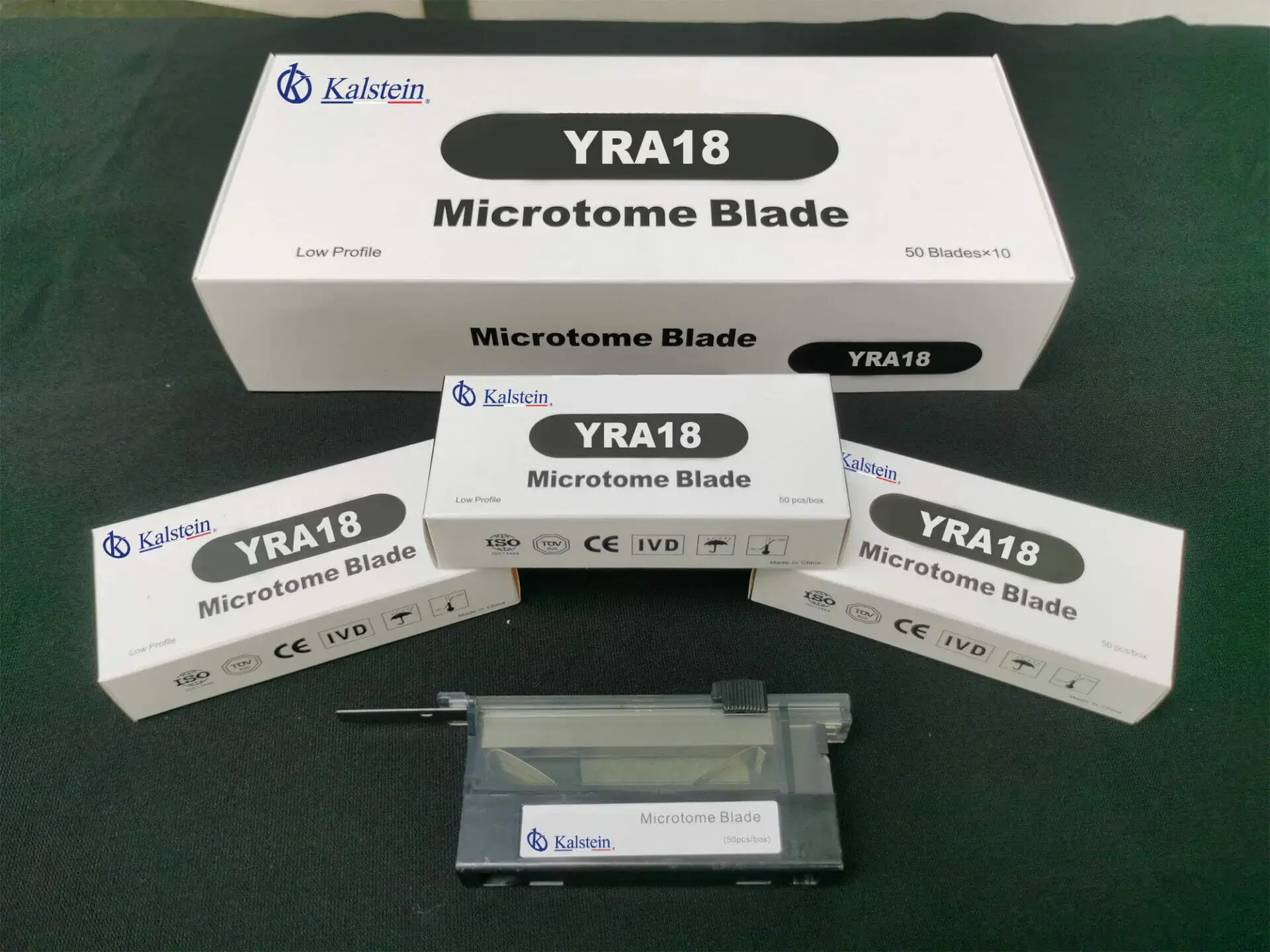
| YRA18-1 | Disposable microtome blade (Low profile) | 250 boxes | Ideal for standard tissue sectioning. | 10000.00 |
| YRA19-1 | Disposable microtome blade (High profile) | 40 boxes | Best for precision sectioning of challenging samples. | 1600.00 |
| YRA20-1 | Tissue embedding cassette | 9000 pieces | Suitable for high-volume tissue processing. | 252.00 |
| YRA21-1 | Plastic cassette with plastic cover | 4000 pieces | Effective for various tissue embedding needs. | 144.00 |
| YRA33-2 | Paraffin block | 10kgs (20 boxes) | Essential for embedding large tissue samples. | 60.00 |
| YRA33-3 | Granular paraffin | 10 KG (10 bags) | Optimal for creating various paraffin formulations. | 60.00 |
Understanding Microtome Blades: Low Profile vs. High Profile
The choice between low-profile and high-profile microtome blades significantly impacts histopathology outcomes. The YRA18-1 model, known for its low profile, is excellent for general sectioning tasks, providing a balance of performance and cost-efficiency. In contrast, the YRA19-1 high-profile blade excels in precision for harder samples, albeit at a higher investment. Understanding these distinctions helps labs optimize their equipment choices based on tissue types and processing requirements.
Embedding Cassettes: Key Features and Applications
Tissue embedding cassettes play a vital role in maintaining the integrity of samples during processing. The YRA20-1 tissue embedding cassette offers high volume and efficiency for labs dealing with large quantities of samples, while the YRA21-1 plastic cassette with cover ensures ease of use across various histological applications. Selecting the right cassette can facilitate smoother workflows and enhance sample quality.
Paraffin Products: Importance of Quality in Histopathology
Quality paraffin products are essential for histology practices. The YRA33-2 paraffin block is crucial for embedding larger specimens, while the YRA33-3 granular paraffin allows for customizable formulations tailored to specific sample requirements. The choice of paraffin can impact both the embedding process and the subsequent sectioning quality, making it a critical consideration for pathologists.
Integration of Technology in Histopathology Consumables
Modern laboratories are increasingly integrating technology with histopathology consumables to improve efficiency and accuracy. For instance, automated systems that utilize YRA20-1 embedding cassettes can streamline sample processing and reduce turnaround times. This integration not only enhances productivity but also minimizes the potential for human error, leading to better diagnostic outcomes.
Common Mistakes and How to Avoid Them
When working with histopathology accessories, common mistakes can lead to compromised sample quality. One major pitfall is using incompatible consumables, such as selecting the wrong microtome blade for specific tissue types. To avoid this, laboratories should closely adhere to the specifications of products like YRA19-1 and YRA21-1 and ensure proper training for staff on the use and handling of these consumables.
Frequently Asked Questions
What are the advantages of using disposable microtome blades in histopathology?
Disposable microtome blades, such as the YRA18-1, offer several benefits including reduced contamination risk and consistent quality. They improve the accuracy of tissue sectioning, which is vital for reliable diagnoses in histopathology.
How does the choice of embedding cassettes affect sample processing time?
Choosing the right embedding cassette, like the YRA20-1, can significantly reduce processing time by accommodating larger volumes of samples efficiently, thus enhancing throughput in busy labs.
Which paraffin products are best for embedding large tissue samples?
The YRA33-2 paraffin block is specifically designed for embedding larger tissue specimens, providing the necessary support to maintain sample integrity during the embedding process.
What should I consider when selecting microtome blades for my lab?
When selecting microtome blades, consider factors such as the profile type, compatibility with tissue types, and the volume of samples processed. Models like YRA19-1 cater to high-precision needs.
How do different paraffin formulations impact tissue section quality?
Different paraffin formulations can affect the cutting quality of tissue sections. The YRA33-3 granular paraffin allows for tailored formulations that can minimize artifacts and improve overall sectioning results.
What is the cost-benefit of using high-profile microtome blades in histopathology?
Using high-profile microtome blades like the YRA19-1 can lead to better section quality, reducing the need for retesting and thus saving costs in the long run by increasing lab efficiency.
How can integrating technology with histopathology consumables benefit my lab?
Integrating technology with consumables, such as automated systems that utilize YRA20-1 cassettes, can enhance throughput, reduce errors, and ultimately lead to better patient outcomes through faster diagnostics.
What packaging options are available for histopathology consumables?
Histopathology consumables like the YRA18-1 blades come in various packaging options, ensuring flexibility for different lab sizes and needs, from high-volume to specialized tasks.
If you are looking for a fusion of innovation and quality, you have come to the right place. At Kalstein, we offer you the luxury of exploring our exclusive catalog of laboratory equipment. We manufacture every device to the highest standards of excellence. Our intuitive and seamless online purchasing channels are designed for your convenience, securing the most competitive prices. Hesitate no longer — we bring science to life, it is time to become part of our community.