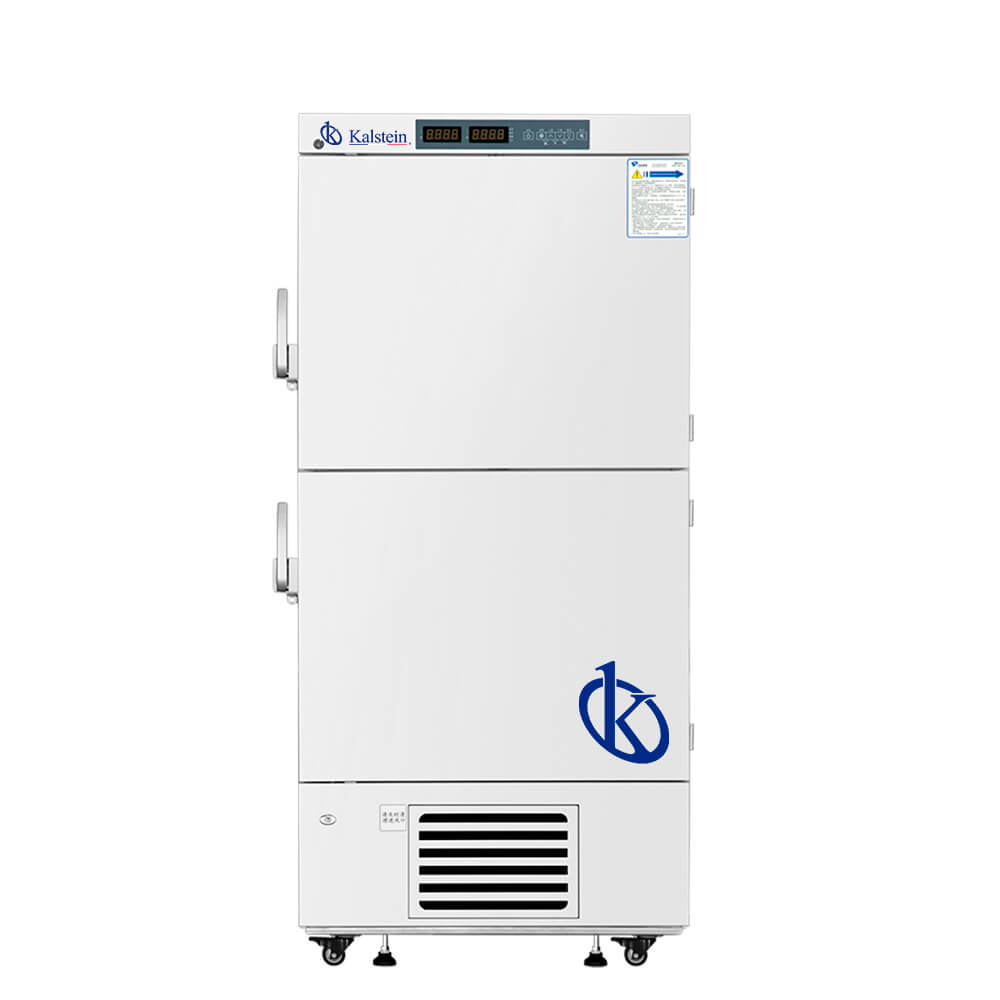
Comparative Analysis of Low Temperature Freezers: Key Factors and Insights
Low temperature freezers are essential in laboratories for preserving sensitive samples and ensuring their integrity over time. Choosing the right model can significantly impact laboratory efficiency and sample quality. This article provides a comparative analysis of leading models in the low temperature freezer category, highlighting their features and applications, and guiding professionals in making an informed decision.
Understanding Low Temperature Freezers
Low temperature freezers operate at temperatures typically ranging from -20°C to -40°C, making them ideal for storing biological samples, pharmaceuticals, and other temperature-sensitive materials. Understanding the technical specifications and functionalities of each model is crucial for laboratory professionals seeking to optimize their cold storage solutions.
Comparison of Available Models
| Model | Temperature Range (°C) | Capacity (L) | Power Consumption (kWh/24h) | Best For |
|---|---|---|---|---|
| YR05100 | -20 to -40 | 100 | 6.7 | Sample preservation in research labs |
| YR05309 | -20 to -40 | 358 | 5.5 | Medical supplies storage |
| YR05311 | -10 to -25 | Various | 3.0 | Laboratory and hospital environments |
Evaluating Key Features for Laboratory Applications
The key features of low temperature freezers include temperature stability, alarm systems, and energy efficiency. Each model offers distinctive advantages; for instance, the YR05309 is equipped with multiple alarm functionalities, ensuring that temperature deviations are promptly addressed. This feature is vital in environments where sample integrity is critical, such as in medical supply storage.
Energy Consumption and Cost Analysis
Energy consumption is a significant factor when selecting a low temperature freezer. The YR05309 stands out with a consumption rate of 5.5 kWh/24h, making it a cost-effective option for laboratories focused on operational efficiency. Understanding the long-term energy costs can help in budgeting and financial planning.
Design and Build Quality
Durability and design are crucial in laboratory settings. The YR05100 features a double-door construction which provides better insulation and sample protection. Its adjustable shelving allows for flexibility, accommodating different sample sizes, which is especially useful for laboratories handling a wide range of specimens.
Common Mistakes and How to Avoid Them
One common mistake is underestimating the importance of alarm systems. A model like the YR05309, with its comprehensive alarm features, can save invaluable samples from being compromised. Ensure that the selected freezer has reliable alerts for high/low temperatures and power failures to mitigate risks.
Frequently Asked Questions
How do I determine the best low temperature freezer for my laboratory needs?
Choosing the best low temperature freezer involves assessing your specific storage requirements, such as sample types and volume. The YR05309 is ideal for high-capacity needs at -20°C to -40°C, while the YR05100 is suitable for flexible storage configurations.
What are the energy consumption metrics for low temperature freezers?
Energy consumption varies between models. For example, the YR05309 consumes 5.5 kWh/24h, which is efficient for its storage capacity. Consider both energy costs and performance when selecting a unit.
Which low temperature freezer model is best for medical supplies storage?
The YR05309 is specifically designed for medical supplies with a capacity of 358L and features robust alarm systems that monitor temperature conditions. This model is optimal for ensuring sample integrity in medical environments.
How important are alarm systems in low temperature freezers?
Alarm systems are crucial for preserving samples. The YR05309 includes multiple alarms for temperature fluctuations and power failures, providing essential alerts that prevent sample degradation. Always prioritize models with reliable alarm functionalities.
What is the typical temperature range for laboratory freezers?
Most laboratory freezers, including the YR05100, operate within the -20°C to -40°C range, suitable for preserving biological and chemical samples. Ensure your model supports the necessary temperature range for your applications.
How does the build quality of a freezer affect its performance?
Build quality impacts insulation and reliability. Models like the YR05100 feature double-door designs, enhancing insulation and maintaining stable temperatures, which are crucial for sample preservation in laboratory settings.
What are the common maintenance tips for low temperature freezers?
Regular maintenance includes checking the door seals, cleaning condenser coils, and testing alarm systems. Consistent upkeep of models like the YR05309 ensures optimal performance and sample safety.
How do I calculate the ROI on a low temperature freezer?
Calculating ROI involves assessing initial costs against operational savings from energy efficiency. For instance, the YR05309’s lower power consumption can lead to significant savings over time, positively impacting the ROI analysis.
If you are looking for a fusion of innovation and quality, you have come to the right place. At Kalstein, we offer you the luxury of exploring our exclusive catalog of laboratory equipment. We manufacture every device to the highest standards of excellence. Our intuitive and seamless online purchasing channels are designed for your convenience, securing the most competitive prices. Hesitate no longer — we bring science to life, it is time to become part of our community.