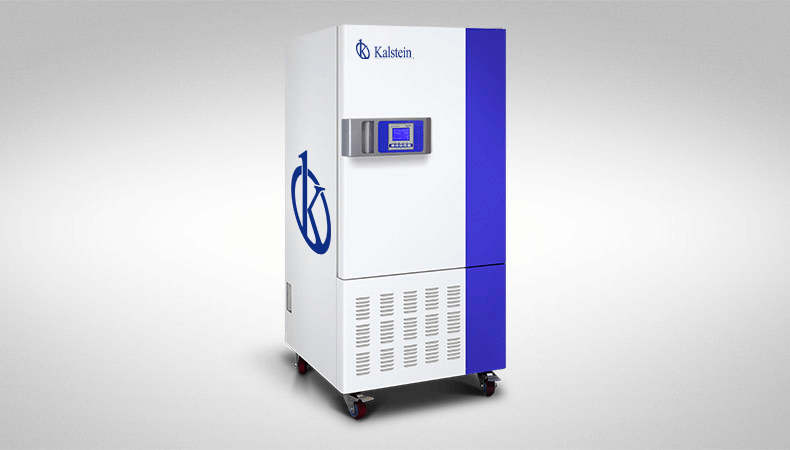
Comprehensive Drug Stability Test Chamber: Techniques and Protocols for 2026
What is it used for in 2026
The Comprehensive Drug Stability Test Chamber is primarily utilized in the pharmaceutical industry to evaluate drug stability under controlled environmental conditions. In 2026, the demand for precise stability testing is higher than ever, with stringent regulations necessitating rigorous testing protocols. These chambers provide essential capabilities to simulate various temperature, humidity, and light conditions, allowing researchers to assess how these factors influence the degradation of pharmaceutical products over time.
History and evolution of the technology
The technology of stability testing chambers has evolved significantly over the past few decades. Initially, basic environmental chambers provided limited functionality; however, advancements in microprocessor technology and sensor accuracy have led to the development of sophisticated systems. Today, Comprehensive Drug Stability Test Chambers like the YR05354, YR05355, and YR05356 incorporate cutting-edge features such as PID microprocessor controls and adjustable light exposure, ensuring exacting standards are met.
How to use it step by step
Using a Comprehensive Drug Stability Test Chamber involves several critical steps:
- Preparation: Ensure that the chamber is clean and calibrated. Select appropriate test samples and place them in designated locations within the chamber.
- Set parameters: Input the required temperature, humidity, and light conditions based on the specific testing protocols established for the drug formulations being evaluated.
- Start the test: Initiate the testing process and monitor the chamber's performance. Regularly check readings to ensure they remain within specified limits.
- Data collection: After the testing period, collect data for analysis. Utilize the chamber's built-in data logging features for accurate record-keeping.
- Reporting: Compile results and generate reports to share findings with relevant stakeholders.
Best techniques and protocols
In 2026, the best techniques for using Comprehensive Drug Stability Test Chambers involve rigorous adherence to established protocols. It is critical to:
- Follow ICH guidelines for stability testing to ensure compliance with international standards.
- Perform regular calibration and maintenance to guarantee accuracy and reliability.
- Utilize software tools for data analysis to facilitate easy interpretation of stability results.
Practical applications by laboratory type
Comprehensive Drug Stability Test Chambers find applications across various laboratory types, including:
- Pharmaceutical R&D: Used for the stability testing of new drug formulations.
- Quality control laboratories: Ensures that manufactured drugs meet stability specifications before market release.
- Regulatory compliance laboratories: Utilized to meet governmental and industry standards for drug testing.
Regulations, standards and certifications
Compliance with regulations and standards is crucial when using Comprehensive Drug Stability Test Chambers. Major guidelines include:
- International Council for Harmonisation (ICH) guidelines on stability testing.
- U.S. Food and Drug Administration (FDA) requirements for pharmaceutical testing.
- Good Manufacturing Practices (GMP) standards to maintain quality control.
Comparison with alternative technologies
While Comprehensive Drug Stability Test Chambers are essential for pharmaceutical stability testing, other technologies exist. Alternative options include:
- Refrigerated storage units: Primarily used for short-term storage rather than long-term stability assessment.
- Environmental chambers: These may lack the specific features necessary for drug stability testing, such as precise humidity control.
Comparison of available models
| Model | Best for | Key specs | Recommended use case |
|---|---|---|---|
| YR05354 | Long-term stability testing | Temperature: 10~65 ℃; Humidity: 50~90% HR | Pharmaceutical R&D and accelerated testing |
| YR05355 | Environmental exposure testing | Temperature: 10~65 ℃; Humidity: 50~90% HR | Quality control and long-term studies |
| YR05356 | High humidity and light testing | Temperature: 10~65 ℃; Humidity: 50~90% HR | Regulatory compliance testing |
Common mistakes and how to avoid them
Laboratory professionals often encounter pitfalls when using Comprehensive Drug Stability Test Chambers. Common mistakes include:
- Inaccurate temperature or humidity settings—always double-check parameters before starting tests.
- Neglecting routine maintenance—establish a regular maintenance schedule to ensure optimal performance.
- Insufficient data logging—ensure all data is recorded accurately for future analysis and compliance purposes.
Maintenance, calibration and good practices 2026
To maintain the integrity of Comprehensive Drug Stability Test Chambers in 2026:
- Perform monthly calibration checks on temperature and humidity sensors.
- Clean the chamber regularly to prevent contamination of test samples.
- Document all maintenance activities for regulatory compliance.
Cost-benefit analysis 2026
Investing in Comprehensive Drug Stability Test Chambers can yield substantial benefits:
- Ensures compliance with regulatory standards, reducing the risk of costly fines or product recalls.
- Improves product quality and reliability, which enhances brand reputation.
- Streamlines R&D efforts, facilitating faster time to market for new products.
Frequently asked questions
What should I consider when choosing a drug stability test chamber?
When selecting a drug stability test chamber, consider factors such as temperature and humidity range, capacity, compliance with regulatory standards, and data logging capabilities.
How important is calibration for stability test chambers?
Calibration is crucial to ensure the accuracy of temperature and humidity readings, which directly impacts the reliability of stability test results.
Can I use these chambers for products other than pharmaceuticals?
While primarily designed for pharmaceuticals, these chambers can be used for stability testing of other products requiring controlled environmental conditions, such as cosmetics and certain chemicals.
What are the common issues faced during stability testing?
Common issues include improper environmental settings, contamination of samples, and inadequate data recording. Regular training and maintenance can help mitigate these problems.
How often should I perform maintenance on my stability test chamber?
Maintenance should be performed regularly, ideally monthly, to ensure optimal performance and compliance with regulations.
How can I maximize the efficiency of my stability testing process?
Maximize efficiency by standardizing protocols, ensuring proper training for staff, and utilizing data analysis software to streamline result interpretation.
If you are looking for a fusion of innovation and quality, you have come to the right place. At Kalstein, we offer you the luxury of exploring our exclusive catalog of laboratory equipment. We manufacture every device to the highest standards of excellence. Our intuitive and seamless online purchasing channels are designed for your convenience, securing the most competitive prices. Hesitate no longer — we bring science to life, it is time to become part of our community.