Constant Temperature and Humidity Chambers: Best Practices and Techniques 2026
What is it used for in 2026
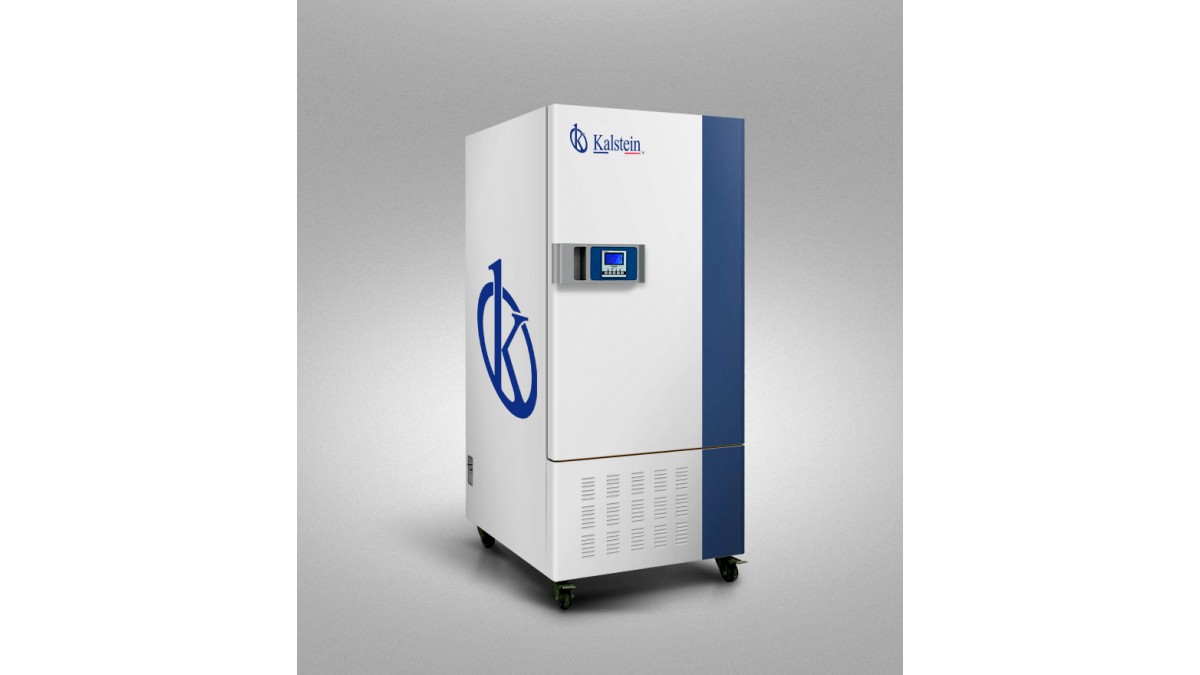
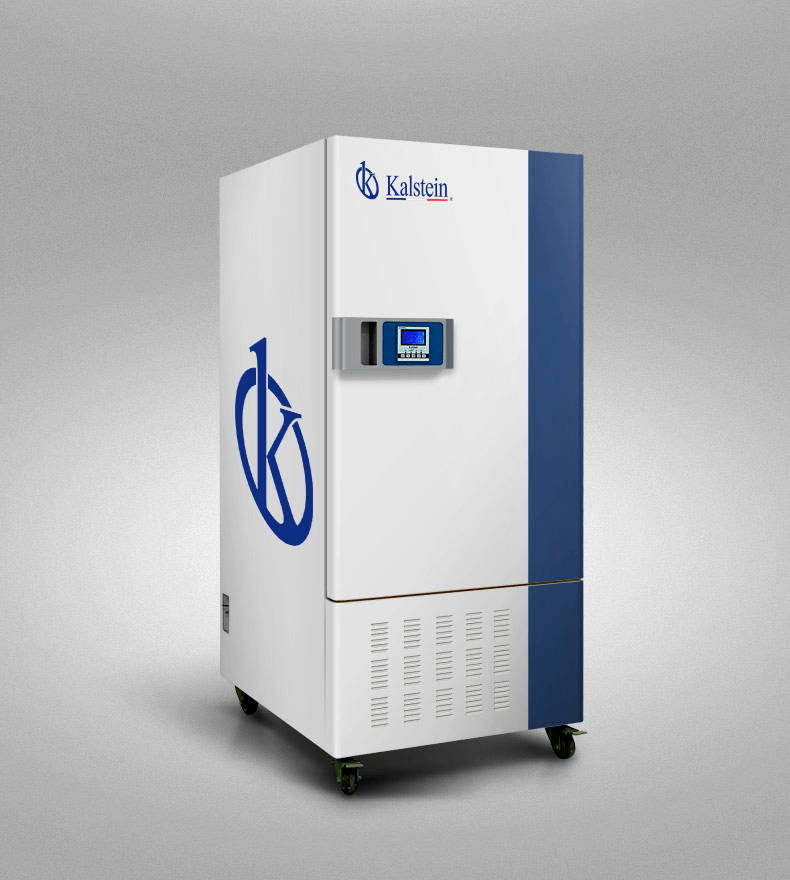
Constant Temperature and Humidity Chambers are essential tools in laboratories across various scientific domains. In 2026, they are utilized primarily for simulating environmental conditions to test products, conduct experiments, and evaluate the stability and lifespan of materials. The chambers are particularly vital in pharmaceutical research, agriculture, and material science, where precise control over temperature and humidity is necessary to ensure reliable results.
History and evolution of the technology
The technology behind Constant Temperature and Humidity Chambers has significantly evolved over the past few decades. Initially, these chambers only provided basic temperature regulation, but advancements in digital controls and sensor technology have led to more precise and adaptive systems. Today, with features such as programmable PID control systems, these chambers can simulate a wide range of climate conditions, making them indispensable for modern laboratories.
How to use it step by step
Using a Constant Temperature and Humidity Chamber effectively involves the following steps:
- Preparation: Ensure the chamber is clean and free from any previous samples. Calibrate the device according to the manufacturer's instructions.
- Setting Parameters: Input the desired temperature and humidity levels using the control interface. Most models operate within a range of 0-60℃ and 40-95% humidity.
- Loading Samples: Place samples inside the chamber carefully, ensuring adequate spacing for airflow.
- Monitoring: Continuously monitor the conditions using the large LED display or connected software, if available.
- Data Collection: Collect data at set intervals or as specified by your experimental protocols.
- Analysis: Analyze the data to draw conclusions based on the performance of the samples under controlled conditions.
Best techniques and protocols
To maximize the effectiveness of Constant Temperature and Humidity Chambers, it is crucial to follow best practices such as:
- Regular calibration of the equipment to ensure accurate readings.
- Using internal fans to promote even air distribution within the chamber.
- Implementing a routine maintenance schedule to check for any wear and tear.
- Documenting all experiments thoroughly to facilitate reproducibility.
- Ensuring that samples are not overcrowded, which may lead to inconsistent results.
Practical applications by laboratory type
Different types of laboratories employ Constant Temperature and Humidity Chambers for various applications:
- Pharmaceutical Labs: Stability testing for drug formulations.
- Agricultural Labs: Plant growth experiments and seed viability testing.
- Material Science Labs: Investigating the effects of environmental conditions on materials.
- Food Science Labs: Assessing the shelf-life of food products.
Regulations, standards and certifications
Compliance with regulations is crucial when operating Constant Temperature and Humidity Chambers. Common certifications include:
- CE Certification for safety standards.
- ISO 17025 for laboratory accreditation.
- Good Manufacturing Practices (GMP) in pharmaceutical settings.
Comparison with alternative technologies
While Constant Temperature and Humidity Chambers are highly effective, alternative technologies exist:
- Environmental Simulation Chambers: Offer more extensive temperature and humidity ranges but are often more complex and costly.
- Refrigerated Incubators: Provide accurate temperature control but lack the humidity control features.
Comparison of available models
| Model | Best for | Key specs | Recommended use case |
|---|---|---|---|
| YR05334 | Long-term plant and microorganism cultivation | 0~60℃, 40~95% RH | Testing sample stability and shelf-life |
| YR05335 | Pharmaceutical stability testing | 0~60℃, 40~95% RH | Long-term stability studies |
| YR05336 | Material durability testing | 0~60℃, 40~95% RH | Evaluating material responses to humidity |
| YR05337 | Life cycle testing of products | 0~60℃, 40~95% RH | Assessing longevity of product samples |
| YR05338 | Seed germination studies | 0~60℃, 40~95% RH | Research in agricultural laboratories |
| YR05339 | Food preservation research | 0~60℃, 40~95% RH | Testing food product stability |
Common mistakes and how to avoid them
When using Constant Temperature and Humidity Chambers, some common mistakes include:
- Not calibrating the equipment regularly, leading to inaccurate readings. Solution: Establish a strict calibration schedule.
- Overloading the chamber, which can result in uneven temperature distribution. Solution: Always adhere to recommended load limits.
- Ignoring maintenance and cleaning protocols. Solution: Implement routine checks and cleaning schedules.
Maintenance, calibration and good practices 2026
To ensure longevity and reliability, follow these maintenance and calibration tips:
- Calibrate the temperature and humidity sensors every 6 months.
- Inspect seals and gaskets for wear and replace as needed.
- Keep records of all maintenance activities for reference.
- Use distilled water for humidity control to prevent mineral buildup.
Cost-benefit analysis 2026
Investing in Constant Temperature and Humidity Chambers can be justified with a thorough cost-benefit analysis:
- Consider the cost of equipment against potential gains in research accuracy and efficiency.
- Evaluate the reduced risk of product loss due to environmental factors.
- Analyze potential savings on resources by optimizing experiments through precise control.
Frequently asked questions
What is the difference between a Constant Temperature Chamber and an Environmental Chamber?
A Constant Temperature Chamber primarily focuses on maintaining a stable temperature with some humidity control, while an Environmental Chamber can simulate a broader range of environmental conditions, including temperature, humidity, and pressure variations.
How often should I calibrate my Constant Temperature and Humidity Chamber?
It is recommended to calibrate your chamber every six months to ensure accurate temperature and humidity readings.
Can I use these chambers for testing food products?
Yes, Constant Temperature and Humidity Chambers are suitable for testing food products, especially for shelf-life studies and stability testing.
What should I do if the chamber is not maintaining the set conditions?
If the chamber fails to maintain the desired conditions, check for proper sealing, ensure the unit is not overloaded, and consult the user manual for troubleshooting steps.
Are Constant Temperature and Humidity Chambers energy efficient?
Modern models are designed to be energy efficient, but usage practices such as routine maintenance and proper loading can further enhance their efficiency.
How can I ensure my samples are not affected by temperature fluctuation?
Ensuring proper calibration and not overcrowding the chamber can help maintain stable conditions for your samples.
Where can I find a reliable source for purchasing these chambers?
For a reliable source, consider exploring our exclusive catalog of laboratory equipment at Kalstein, where we manufacture every device to the highest standards of excellence.
If you are looking for a fusion of innovation and quality, you have come to the right place. At Kalstein, we offer you the luxury of exploring our exclusive catalog of laboratory equipment. We manufacture every device to the highest standards of excellence. Our intuitive and seamless online purchasing channels are designed for your convenience, securing the most competitive prices. Hesitate no longer — we bring science to life, it is time to become part of our community.