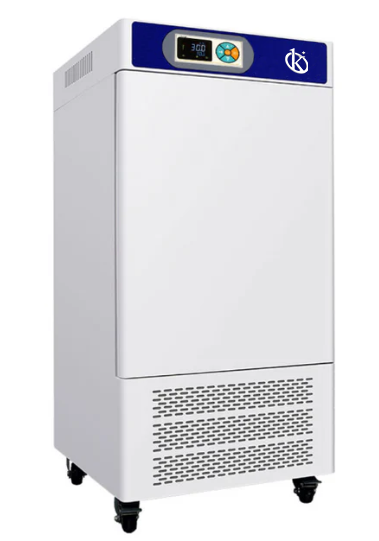
Constant Temperature and Humidity Incubators: A Practical Step-by-Step Guide for 2026
What is it used for in 2026
Constant temperature and humidity incubators are essential tools used in various laboratory settings. Their primary function is to create a stable environment conducive to the growth and maintenance of biological samples and cultures. In 2026, these incubators are utilized across diverse fields such as microbiology, environmental studies, pharmaceutical research, and agricultural experimentation. The control of temperature and humidity allows researchers to simulate specific environmental conditions, thereby ensuring accurate and reproducible results.
History and evolution of the technology
The technology behind constant temperature and humidity incubators has evolved significantly since their inception. Initially, basic incubators provided minimal temperature control; however, advancements in materials and electronic controls have led to the development of sophisticated models. In the early 2000s, the introduction of microprocessor control allowed for greater precision and reduced fluctuations in environmental parameters. Today, models like the YR02053, YR02054, and YR02055 are equipped with advanced features such as automatic defrost, energy-efficient designs, and enhanced user interfaces for better monitoring and control.
How to use it step by step
Using a constant temperature and humidity incubator involves several steps to ensure optimal performance and reliability:
- Preparation: Clean the interior of the incubator with a suitable disinfectant. Ensure that all components are functioning properly.
- Set Parameters: Adjust the desired temperature and humidity levels on the control panel. For most applications, a temperature range of 0°C to 60°C is typical.
- Load Samples: Organize your samples in a manner that allows for adequate airflow and avoids overcrowding.
- Monitor Conditions: Regularly check the display panel for any fluctuations in temperature or humidity. Make adjustments as necessary.
- Data Logging: If available, utilize built-in data logging to record environmental conditions over time, facilitating analysis and accountability.
- Post-Experiment Cleaning: After use, clean the incubator thoroughly to prevent contamination of future samples.
Best techniques and protocols
Implementing best practices is crucial for the effective use of constant temperature and humidity incubators. Here are some recommended techniques:
- Calibration: Regularly calibrate the incubator to ensure accurate readings of temperature and humidity.
- Use of Controls: Utilize appropriate control charts to monitor the stability of the incubator environment.
- Documentation: Keep detailed records of settings, samples, and any anomalies observed during experiments.
- Airflow Management: Ensure that the airflow is not obstructed and that the incubator operates efficiently.
Practical applications by laboratory type
Different laboratories utilize constant temperature and humidity incubators for specific applications:
- Microbiology Labs: Used for cultivating bacterial, yeast, and fungal cultures at controlled temperatures.
- Pharmaceutical Research: Essential for stability testing of drug formulations under varying environmental conditions.
- Agricultural Research: Conducting plant growth studies and seed germination experiments in a controlled climate.
- Environmental Studies: Simulating different climates to study the impact on various organisms.
Regulations, standards and certifications
Laboratories using constant temperature and humidity incubators must adhere to various regulations and standards, including:
- ISO 9001: Ensuring quality management systems are in place.
- GLP (Good Laboratory Practice): Compliance with protocols for laboratory procedures and documentation.
- FDA Regulations: For laboratories involved in pharmaceutical research, compliance with FDA guidelines is necessary.
Comparison with alternative technologies
When considering laboratory equipment, it's essential to evaluate constant temperature and humidity incubators against other technologies:
- Standard Incubators: Provide basic temperature control but lack humidity regulation.
- Refrigerated Incubators: Offer cooling capabilities but may not maintain humidity levels as effectively as dedicated models.
- Environmental Chambers: More versatile but also significantly more expensive and complex to operate.
Comparison of available models
| Model | Best for | Key specs | Recommended use case |
|---|---|---|---|
| YR02053 | General laboratory use | Temperature range: 0~60°C, Precision: ±0.1°C | Routine cell culture and bacterial growth |
| YR02054 | Pharmaceutical testing | Temperature range: 0~60°C, Precision: ±0.1°C | Stability testing for drug formulations |
| YR02055 | Agricultural research | Temperature range: 0~60°C, Precision: ±0.1°C | Plant growth and seed germination studies |
Common mistakes and how to avoid them
Here are some common mistakes made when using constant temperature and humidity incubators, along with tips to avoid them:
- Overloading the Incubator: Avoid placing too many samples inside as this can lead to uneven temperature distribution.
- Ignoring Calibration: Regularly check and calibrate to ensure accuracy.
- Failing to Monitor Conditions: Establish a routine to check temperature and humidity levels periodically.
Maintenance, calibration and good practices 2026
Proper maintenance and calibration are vital for the longevity and reliability of incubators. Follow these practices:
- Regular Cleaning: Clean the incubator interior with approved disinfectants to prevent contamination.
- Calibration Schedule: Set a regular schedule for calibration, ideally every six months.
- Check Seals: Ensure that door seals are intact to prevent humidity loss.
Cost-benefit analysis 2026
Investing in constant temperature and humidity incubators offers several benefits:
- Improved Accuracy: Enhanced precision in temperature and humidity control leads to better experimental outcomes.
- Versatility: Suitable for various applications across multiple laboratory types.
- Long-term Savings: Quality incubation can reduce sample loss and increase productivity over time.
Frequently asked questions
What are the key features to look for in a constant temperature and humidity incubator?
When choosing an incubator, consider features such as temperature and humidity range, control precision, energy efficiency, interior materials, and ease of use.
How often should I calibrate my incubator?
It is recommended to calibrate your incubator at least every six months to ensure accurate performance.
What types of samples can I use in a constant temperature and humidity incubator?
You can use various biological samples, including cell cultures, seeds, and microbial cultures, dependent on your experimental needs.
Can I monitor the temperature and humidity remotely?
Many modern incubators come equipped with data logging and remote monitoring capabilities for enhanced control.
What maintenance is required for these incubators?
Regular cleaning, calibration checks, and monitoring of seals and components are crucial for effective maintenance.
Are there specific protocols for using incubators in pharmaceutical research?
Yes, adherence to Good Laboratory Practice (GLP) protocols is important to ensure compliance and reliability in results.
How can I ensure consistent results across different experiments?
Employ consistent calibration, monitoring practices, and maintain the same settings for similar experiments to ensure reliability.
If you are looking for a fusion of innovation and quality, you have come to the right place. At Kalstein, we offer you the luxury of exploring our exclusive catalog of laboratory equipment. We manufacture every device to the highest standards of excellence. Our intuitive and seamless online purchasing channels are designed for your convenience, securing the most competitive prices. Hesitate no longer — we bring science to life, it is time to become part of our community.