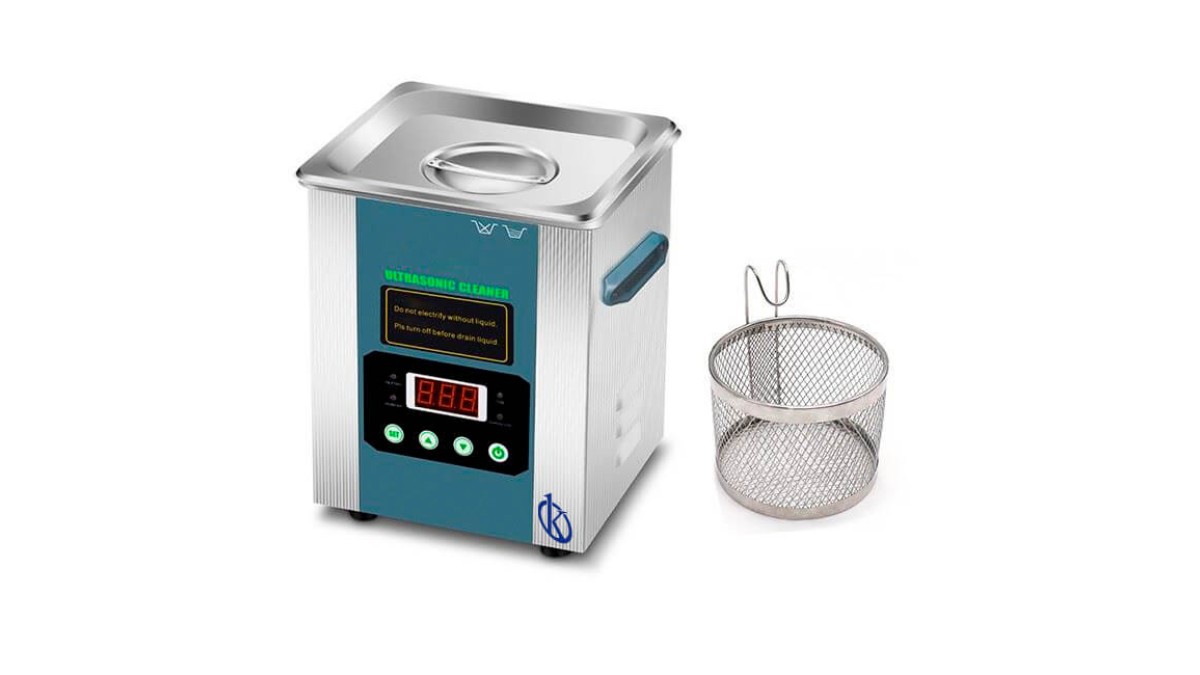
Digital Display Ultrasonic Cleaners: Practical Applications and Techniques 2026
What is it used for in 2026
In 2026, digital display ultrasonic cleaners serve a critical role in clinical and hospital laboratories. These devices leverage ultrasonic waves to produce millions of tiny bubbles that implode on surfaces, effectively cleaning items such as surgical instruments, jewelry, and electronic components. The automation and digital display features improve usability and precision, making cleaning processes more efficient.
History and evolution of the technology
The technology behind ultrasonic cleaning has evolved significantly since its inception in the late 1950s. Initially used in industrial applications, ultrasonic cleaners have gradually permeated various sectors including medical, dental, and jewelry industries. The introduction of digital displays and programmable settings in the last two decades has enhanced user experience, providing better control over cleaning parameters.
How to use it step by step
Using a digital display ultrasonic cleaner involves a systematic approach:
- Preparation: Gather the items to be cleaned and ensure they are suitable for ultrasonic cleaning.
- Fill the tank: Add a suitable cleaning solution mixed with water to the tank, ensuring that it covers the items.
- Set the parameters: Use the digital display to set the cleaning time and temperature if applicable.
- Start the process: Activate the ultrasonic cleaner and monitor its operation.
- Rinse: Once the cycle is complete, carefully remove the items and rinse them with clean water.
- Dry: Allow items to air dry or use a lint-free cloth. Check for any residues before storage or use.
Best techniques and protocols
To maximize the efficiency of ultrasonic cleaning, consider the following techniques:
- Use appropriate cleaning solutions tailored to specific materials.
- Optimize the temperature settings; warmer solutions often enhance cleaning efficacy.
- Implement a pre-cleaning step for heavily soiled items to reduce cleaning time.
- Regularly maintain the ultrasonic cleaner to ensure consistent performance.
Practical applications by laboratory type
Digital display ultrasonic cleaners find applications in various laboratory settings:
- Clinical Laboratories: Cleaning surgical instruments and glassware.
- Jewelry Labs: Efficiently cleaning and restoring jewelry pieces.
- Electronics Workshops: Cleaning circuit boards and electronic components without direct contact.
- Dental Clinics: Sterilizing dental tools and accessories.
Regulations, standards and certifications
Compliance with relevant regulations and standards is crucial when using digital display ultrasonic cleaners. In 2026, users should ensure that the equipment meets certifications such as CE, FCC, and ROHS, indicating their safety and environmental compliance. Always verify that the cleaning agents used are compatible with industry regulations.
Comparison with alternative technologies
While ultrasonic cleaners are effective, alternative cleaning technologies exist:
- Steam Cleaning: Effective for sanitizing but may not remove all contaminants.
- Manual Cleaning: Labor-intensive and often inconsistent results.
- Chemical Cleaning: Effective but may pose risks associated with chemical use and disposal.
Comparison of available models
| Model | Best for | Key specs | Recommended use case |
|---|---|---|---|
| YR05208 | Jewelry cleaning | 2L capacity, 40kHz frequency, 70W power | Ideal for personal jewelry and small items. |
| YR05209 | Home use | 2L capacity, 40kHz frequency, 70W power | Best for regular jewelry maintenance and household items. |
| YR05212 | General laboratory use | 4.5L capacity, 40kHz frequency, 180W power | Suitable for larger items and more extensive cleaning. |
| YR05213 | Versatile cleaning | 6.8L capacity, 40kHz frequency, 180W power | Great for a variety of laboratory and industrial applications. |
| YR05214 | Heavy-duty cleaning | 11L capacity, 40kHz frequency, 240W power | Ideal for industrial settings and large-scale cleaning tasks. |
| YR05215 | High-capacity cleaning | 15L capacity, 40kHz frequency, 360W power | Perfect for extensive lab use and frequent cleaning. |
Common mistakes and how to avoid them
To achieve optimal results, avoid these common mistakes:
- Not using the right cleaning solution – always match the solution to the items being cleaned.
- Overloading the tank – this can prevent effective cleaning and damage the unit.
- Ignoring maintenance – regular checks and cleaning of the ultrasonic unit are essential.
Maintenance, calibration and good practices 2026
Maintaining your ultrasonic cleaner ensures longevity and effectiveness:
- Regularly check for wear and tear, especially on transducers.
- Calibrate the device according to manufacturer instructions at least annually.
- Clean the tank regularly to prevent residue buildup.
Cost-benefit analysis 2026
The investment in a digital display ultrasonic cleaner can lead to significant time and labor savings, improved cleaning efficiency, and enhanced safety in laboratory settings. While the initial cost may seem high, the long-term benefits such as reduced manual cleaning time and better equipment longevity justify the expense.
Frequently asked questions
How do I choose the right ultrasonic cleaner for my laboratory?
Consider the size of the items you need to clean, the frequency of use, and the type of contaminants. Review the specifications of different models to find one that meets your needs.
Can I use tap water in my ultrasonic cleaner?
While tap water can be used, it is recommended to use distilled or deionized water mixed with the appropriate cleaning solution for optimal results.
How often should I clean my ultrasonic cleaner?
It is advisable to clean the ultrasonic cleaner after each use. Regular maintenance will enhance its functionality and lifespan.
What types of cleaning solutions can I use?
Use solutions specifically designed for ultrasonic cleaners. Avoid using solutions that are highly abrasive or contain harsh chemicals that could damage the unit.
Is it safe to clean electronic components with ultrasonic cleaners?
Yes, ultrasonic cleaners can safely clean electronic components, provided that the components are suitable for immersion in liquid during cleaning.
How long does a typical cleaning cycle take?
Cleaning cycles can vary based on the model and the nature of the contaminants but typically range from 5 to 30 minutes.
Where can I request a quote for ultrasonic cleaners?
You can request a quote through our dedicated sales team for competitive prices on our range of ultrasonic cleaners, tailored to your laboratory needs.
If you are looking for a fusion of innovation and quality, you have come to the right place. At Kalstein, we offer you the luxury of exploring our exclusive catalog of laboratory equipment. We manufacture every device to the highest standards of excellence. Our intuitive and seamless online purchasing channels are designed for your convenience, securing the most competitive prices. Hesitate no longer — we bring science to life, it is time to become part of our community.