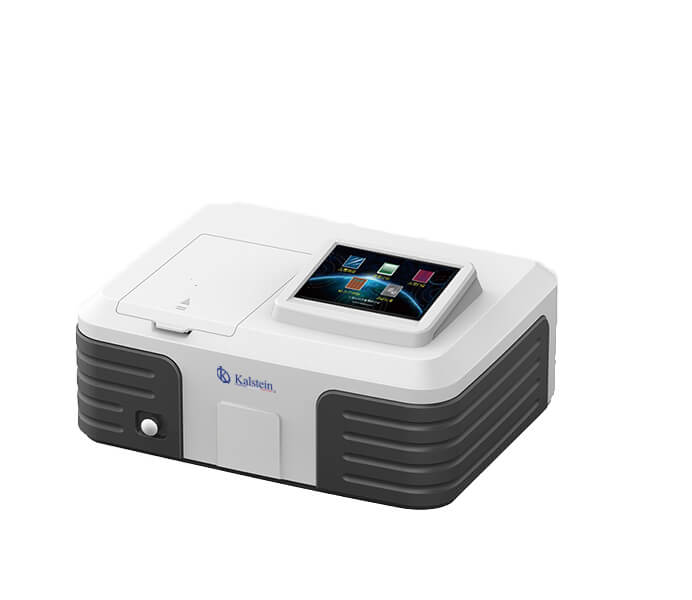
Double Beam Spectrophotometers: Practical Step-by-Step Guide in 2026
What is it used for in 2026
Double beam spectrophotometers are critical tools in laboratories for analyzing the absorbance and transmittance of light across various samples. In 2026, these instruments are commonly used in fields such as chemistry, biology, and environmental science. They enable researchers to determine concentrations of substances, analyze kinetic reactions, and conduct DNA/protein quantifications. The dual beam design minimizes errors caused by fluctuations in light intensity, providing more accurate and reliable data compared to single beam spectrophotometers.
History and evolution of the technology
The development of spectrophotometry dates back to the early 19th century, with significant advancements throughout the 20th century. The introduction of double beam technology was pivotal, allowing for more accurate measurements by compensating for light source variations. Over the years, improvements in optics, electronics, and software have transformed these instruments into user-friendly devices capable of complex analyses and automated operations. By 2026, the integration of digital interfaces and connectivity options has further enhanced usability and data management in laboratories.
How to use it step by step
Using a double beam spectrophotometer effectively involves the following steps:
- Preparation of Samples: Dilute and prepare your samples according to the required concentrations for analysis.
- Calibration: Use a blank solution to calibrate the instrument by setting the baseline absorbance to zero.
- Setting Wavelength: Select the desired wavelength according to the specific analysis protocol.
- Measurements: Place the sample in the holder and initiate the measurement process. Ensure the beam is aligned properly.
- Data Collection: Record the absorbance/transmittance values displayed on the interface and analyze the results as per your experimental design.
- Cleaning: Clean the sample compartment and cuvettes after use to prevent contamination.
Best techniques and protocols
Employing best techniques while using double beam spectrophotometers ensures the integrity and reliability of results. Some recommended protocols include:
- Regular calibration with a standard reference material to maintain accuracy.
- Utilizing appropriate cuvettes with no scratches or smudges for optimal light transmission.
- Implementing proper sample handling techniques to avoid contamination.
- Documenting all experimental conditions for reproducibility.
Practical applications by laboratory type
Different laboratories utilize double beam spectrophotometers for various applications:
- Chemical Analysis Labs: Quantification of reactants and products in chemical reactions.
- Biological Research Labs: Analyzing protein and nucleic acid concentrations.
- Environmental Monitoring Labs: Measurement of pollutant concentrations in water and air samples.
- Food and Beverage Labs: Assessing color and turbidity in food products.
Regulations, standards and certifications
Compliance with relevant industry standards and regulations is crucial for laboratories using double beam spectrophotometers. Key certifications and guidelines include:
- ISO 9001 for quality management systems.
- Good Laboratory Practice (GLP) regulations.
- ASTM standards for analytical testing methodologies.
Comparison with alternative technologies
While double beam spectrophotometers are widely used, other technologies are available, including:
- Single Beam Spectrophotometers: Generally less expensive but less accurate due to light source fluctuations.
- Fluorometers: Used for measuring fluorescence, suitable for specific applications where higher sensitivity is required.
- HPLC (High-Performance Liquid Chromatography): Offers more detailed analyses for complex mixtures but requires more extensive sample preparation and time.
Comparison of available models
| Model | Best for | Key specs | Recommended use case |
|---|---|---|---|
| YR01858 | General laboratory analysis | 320-1100 nm, ± 0.3% T precision | Routine photometric measurements and spectral scanning |
| YR01862 | Advanced biochemical assays | 190-1100 nm, ± 0.2% T precision | Dynamic testing, DNA/protein assays |
| YR01862-1 | High-precision measurements | 190-1100 nm, 1.0 nm bandwidth | Long wavelength scans and detailed analysis |
| YR01862-2 | Biochemical research | 190-1100 nm, various bandwidths | Multi-wavelength tests and high-throughput applications |
| YR01864 | Analytical chemistry | 190-1100 nm, 1.0 nm bandwidth | Standard and kinetic data analyses |
| YR01865 | Quality control | 190-1100 nm, 0.5 nm bandwidth | Long path length measurements and standardization tests |
Common mistakes and how to avoid them
Common errors in operating double beam spectrophotometers can lead to inaccurate results. To avoid these mistakes, consider the following:
- Ensure proper calibration before each set of measurements.
- Use clean and appropriate cuvettes to avoid scattering and absorption interference.
- Be mindful of environmental factors such as vibrations and temperature fluctuations.
- Follow standardized protocols strictly for consistency in results.
Maintenance, calibration and good practices 2026
Regular maintenance and proper calibration are essential for optimal performance of double beam spectrophotometers:
- Perform routine cleaning of optical components to prevent contamination.
- Calibrate the device at least once a month or before critical experiments.
- Keep software and firmware up to date to ensure compatibility and performance improvements.
Cost-benefit analysis 2026
Investing in double beam spectrophotometers presents a favorable cost-benefit ratio for laboratories:
- High accuracy and precision lead to reliable data, reducing the need for retesting.
- Versatility in applications allows for use across various laboratory sectors, maximizing ROI.
- Advanced features may initially increase costs but often result in longer instrument lifespan and lower maintenance costs.
Frequently asked questions
How do I choose the right double beam spectrophotometer for my lab?
Consider your laboratory's specific needs, such as the types of samples you analyze, required wavelength range, and sensitivity. Additionally, evaluate the features and specifications of available models to find one that aligns with your workflow.
What are the common applications for double beam spectrophotometers?
Common applications include quantitative analysis of chemical substances, kinetics of reactions, DNA and protein quantification, and environmental monitoring among others.
How often should I calibrate my spectrophotometer?
It is recommended to calibrate your spectrophotometer at least once a month and before significant experiments to ensure accuracy and reliability of data.
Can double beam spectrophotometers handle different sample types?
Yes, they can analyze various sample types including liquids, solids, and gases depending on your sample holder and measurement configuration.
What precautions should I take when using a spectrophotometer?
Always ensure optical components are clean, use the correct cuvette size and material for your samples, and avoid placing the instrument in areas with high vibrations or variable temperatures.
What is the typical lifespan of a double beam spectrophotometer?
With proper maintenance, a double beam spectrophotometer can last anywhere from 5 to 15 years, depending on usage and care.
Where can I request a quote for a double beam spectrophotometer?
You can request a quote on Kalstein Plus, where you can explore various models and choose one that fits your laboratory's needs.
If you are looking for a fusion of innovation and quality, you have come to the right place. At Kalstein, we offer you the luxury of exploring our exclusive catalog of laboratory equipment. We manufacture every device to the highest standards of excellence. Our intuitive and seamless online purchasing channels are designed for your convenience, securing the most competitive prices. Hesitate no longer — we bring science to life, it is time to become part of our community.