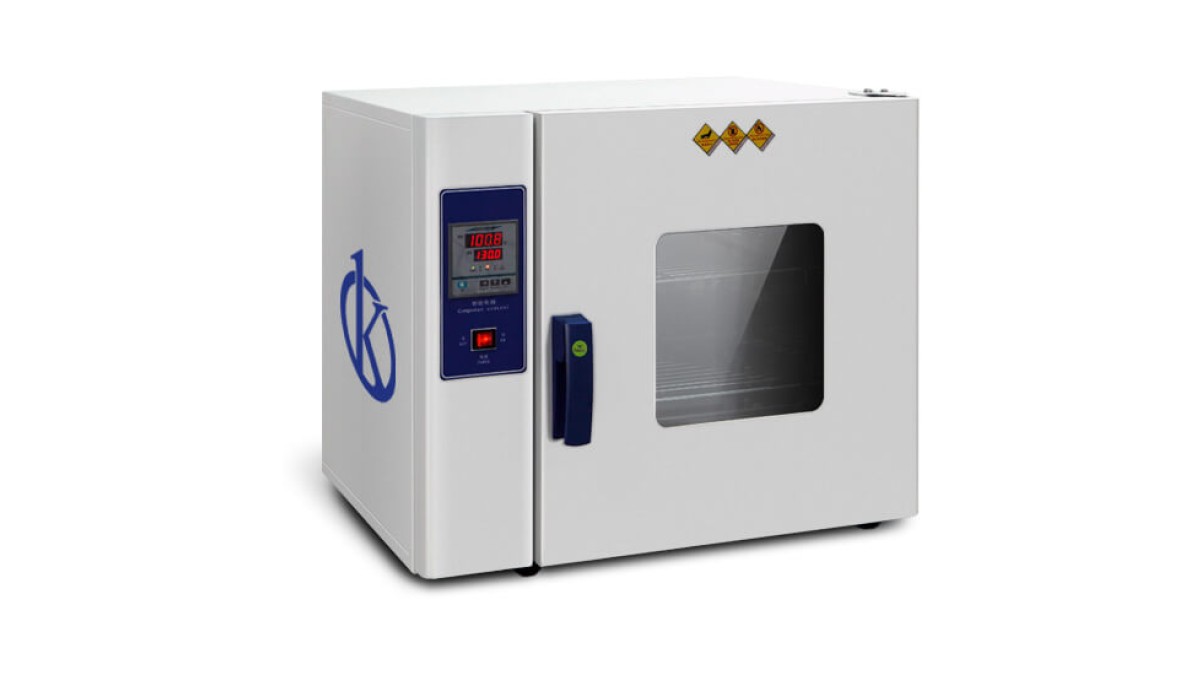
Drying Ovens: Practical Applications and Techniques 2026
Drying ovens are essential in laboratories for various applications ranging from material testing to sample preparation. This comprehensive guide delves into the multifaceted roles of drying ovens in 2026, the evolution of the technology, step-by-step usage, and best practices to optimize laboratory workflows.
What is it used for in 2026
In 2026, drying ovens are utilized for a variety of purposes, including:
- Drying Samples: Removing moisture from samples to prevent degradation or contamination.
- Sterilization: Preparing materials for analysis by eliminating microorganisms.
- Thermal Treatment: Applying heat to materials to achieve specific chemical or physical properties.
- Storage: Maintaining a controlled environment for sensitive samples.
History and evolution of the technology
The development of drying ovens has evolved significantly over the years. Initially, simple heated cabinets were used, but advancements in microcomputer technology have led to the introduction of intelligent PID control systems. Modern ovens now feature programmable settings, LED screens for precise temperature control, and alerts for overheating, enhancing efficiency and safety.
How to use it step by step
Here is a step-by-step guide on how to use drying ovens effectively:
- Preparation: Ensure the oven is clean and free of contaminants. Check the calibration.
- Loading: Place samples in the oven, ensuring adequate space for air circulation.
- Setting Parameters: Select the desired temperature and time settings using the control panel.
- Monitoring: Regularly check the oven’s display for any alerts or errors.
- Unloading: Carefully remove samples once the cycle is complete, using appropriate safety equipment.
- Post-Use Cleaning: Clean the interior to remove any residues after use.
Best techniques and protocols
To ensure optimal results when using drying ovens, consider the following techniques and protocols:
- Use of Thermocouples: Employ temperature sensors to verify actual conditions inside the oven.
- Regular Calibration: Schedule routine checks for temperature accuracy to maintain reliability.
- Avoid Overloading: Do not exceed the recommended load capacity to ensure uniform heating.
- Documentation: Keep records of each drying process for quality assurance and reproducibility.
Practical applications by laboratory type
Different laboratories employ drying ovens for specific applications:
- Chemical Laboratories: For drying solvents and samples before analysis.
- Biological Laboratories: To sterilize glassware and prepare biological samples.
- Material Testing Labs: For testing the properties of construction materials by drying.
- Food Safety Labs: To determine moisture content in food products.
Regulations, standards and certifications
Laboratories must comply with various regulations and standards when using drying ovens. Key certifications include:
- ISO 9001: Ensures quality management systems are in place.
- CE Marking: Indicates conformity with health, safety, and environmental protection standards.
- ASTM Standards: Provides guidelines for material testing and equipment performance.
Comparison with alternative technologies
Drying ovens are not the only option for moisture removal. Other technologies include:
- Desiccators: For moisture-sensitive materials; however, they lack heating capabilities.
- Microwave Drying: Faster drying times, yet may not be suitable for all materials.
- Vacuum Drying: Reduces boiling points, preserving volatile compounds, but is more complex.
Comparison of available models
| Model | Best for | Key specs | Recommended use case |
|---|---|---|---|
| YR05244 | High uniformity temperature requirements | Temperature Range: RT+5~250°C, Precision: ±0.1°C | Laboratory research and sample drying |
| YR05245 | High uniformity temperature requirements | Temperature Range: RT+5~250°C, Precision: ±0.1°C | Sample preparation and sterilization |
| YR05246 | High uniformity temperature requirements | Temperature Range: RT+5~250°C, Precision: ±0.1°C | Thermal treatment and drying |
| YR05247 | High uniformity temperature requirements | Temperature Range: RT+5~250°C, Precision: ±0.1°C | Research and material testing |
| YR05248-A | Routine laboratory use | Temperature Range: RT+5~250°C, Power: 1KW | General drying applications |
| YR05249-A | Routine laboratory use | Temperature Range: RT+5~250°C, Power: 1KW | Biological sample preparation |
Common mistakes and how to avoid them
Laboratory professionals often encounter several common pitfalls when using drying ovens:
- Ignoring Temperature Calibration: Always check calibration before use.
- Overloading the Oven: Limit samples to ensure effective air circulation.
- Neglecting Safety Precautions: Use gloves and protective eyewear when handling heated materials.
- Inadequate Documentation: Maintain records of drying times and conditions for reliability.
Maintenance, calibration and good practices 2026
To guarantee the longevity and effectiveness of drying ovens, implement the following maintenance practices:
- Regular Cleaning: Clean the interior frequently to prevent contamination.
- Scheduled Calibration: Perform regular calibration checks according to the manufacturer’s recommendations.
- Inspect Seals and Gaskets: Ensure they are intact for optimal performance.
Cost-benefit analysis 2026
When considering the investment in drying ovens, analyze the following cost-benefit factors:
- Initial Investment: Evaluate the purchase cost against feature benefits.
- Operational Efficiency: Consider energy consumption and time savings during operation.
- Longevity: Assess warranty periods and expected service life for a return on investment.
Frequently asked questions
What are the main advantages of using drying ovens in laboratories?
Drying ovens offer precise temperature control, uniform heat distribution, and versatility for a range of applications, making them essential for laboratory operations.
What materials are suitable for drying in these ovens?
Most solid samples, including biological materials, chemicals, and construction materials, can be dried effectively in drying ovens.
How do I ensure accurate temperature settings?
Regular calibration and using high-quality thermocouples can help maintain temperature accuracy within the drying oven.
Can I use drying ovens for sterilization purposes?
Yes, drying ovens are widely used for sterilization, provided that the appropriate temperature and time settings are applied.
What safety precautions should I take when using a drying oven?
Always wear protective gear, avoid opening the oven door too frequently during operation, and ensure proper ventilation to prevent overheating.
How often should I perform maintenance on my drying oven?
Regular maintenance should be conducted monthly, with thorough cleaning and inspections every six months or as recommended by the manufacturer.
Where can I find the best drying ovens for my laboratory?
Explore specialized laboratory equipment suppliers to find the best drying ovens that meet your specific needs.
If you are looking for a fusion of innovation and quality, you have come to the right place. At Kalstein, we offer you the luxury of exploring our exclusive catalog of laboratory equipment. We manufacture every device to the highest standards of excellence. Our intuitive and seamless online purchasing channels are designed for your convenience, securing the most competitive prices. Hesitate no longer — we bring science to life, it is time to become part of our community.