Electrolyte Analyzers: Practical Applications and Techniques 2026
Electrolyte analyzers are critical tools in laboratory settings, providing essential information for diagnosing various medical conditions. In 2026, the technology has evolved, and understanding how to properly use these devices can make a significant difference in laboratory operations. This article is aimed at laboratory professionals seeking to enhance their knowledge and skills in using electrolyte analyzers effectively.
What is it used for in 2026
Electrolyte analyzers are primarily used for measuring the concentration of electrolytes in bodily fluids such as blood plasma, serum, or urine. They provide crucial data that aid in diagnosing conditions such as dehydration, kidney disease, and metabolic disorders. The ability to obtain accurate and rapid results is essential in emergency situations where timely intervention can be life-saving.
History and evolution of the technology
The technology behind electrolyte analyzers has advanced significantly over the last few decades. In the early years, these devices primarily relied on manual methods that were time-consuming and prone to human error. The introduction of ion-selective electrodes (ISE) marked a substantial shift, allowing for more accurate and rapid measurements. By 2026, modern electrolyte analyzers incorporate advanced software, automation, and improved calibration techniques, making them indispensable in laboratories worldwide.
How to use it step by step
Using an electrolyte analyzer involves several clear steps:
- Preparation: Ensure that the analyzer is calibrated and that all necessary reagents are available.
- Sample collection: Collect samples using clean techniques to avoid contamination.
- Sample preparation: Depending on the model, some samples may need dilution or specific handling before analysis.
- Running the test: Load the sample into the analyzer following the manufacturer's guidelines.
- Reading results: After the test is complete, analyze the results displayed on the screen.
- Documentation: Record the results accurately in your laboratory information system.
- Clean up: Dispose of any used materials properly and clean the analyzer according to protocols.
Best techniques and protocols
For accurate and reliable results, several best practices are recommended:
- Ensure regular calibration of the analyzer.
- Use high-quality reagents and maintain inventory.
- Follow proper sample collection and handling techniques to avoid contamination.
- Document all procedures and results meticulously.
- Stay updated with current guidelines and protocols through continuous education.
Practical applications by laboratory type
Electrolyte analyzers find applications in various types of laboratories:
- Clinical laboratories: For routine electrolyte level checks, especially in emergency departments.
- Research laboratories: In studies focused on metabolic conditions and drug effects on electrolyte levels.
- Veterinary laboratories: Analyse electrolyte imbalances in animals, crucial for veterinary care.
Regulations, standards and certifications
Electrolyte analyzers must comply with several regulations and standards to ensure reliability and accuracy. These include:
- ISO 15189: For medical laboratories ensuring quality management systems.
- CLIA: Clinical Laboratory Improvement Amendments encompass standards for laboratory testing.
- CE marking: Indicates conformity with health, safety, and environmental protection standards for products sold in the European Economic Area.
Comparison with alternative technologies
When comparing electrolyte analyzers with alternative technologies such as colorimetric methods and traditional titration, the following points emerge:
- Speed: Electrolyte analyzers provide faster results compared to manual methods.
- Accuracy: They offer greater accuracy due to automation and advanced recalibration techniques.
- Ease of use: User-friendly interfaces reduce the chances of human error.
Comparison of available models
| Model | Best for | Key specs | Recommended use case |
|---|---|---|---|
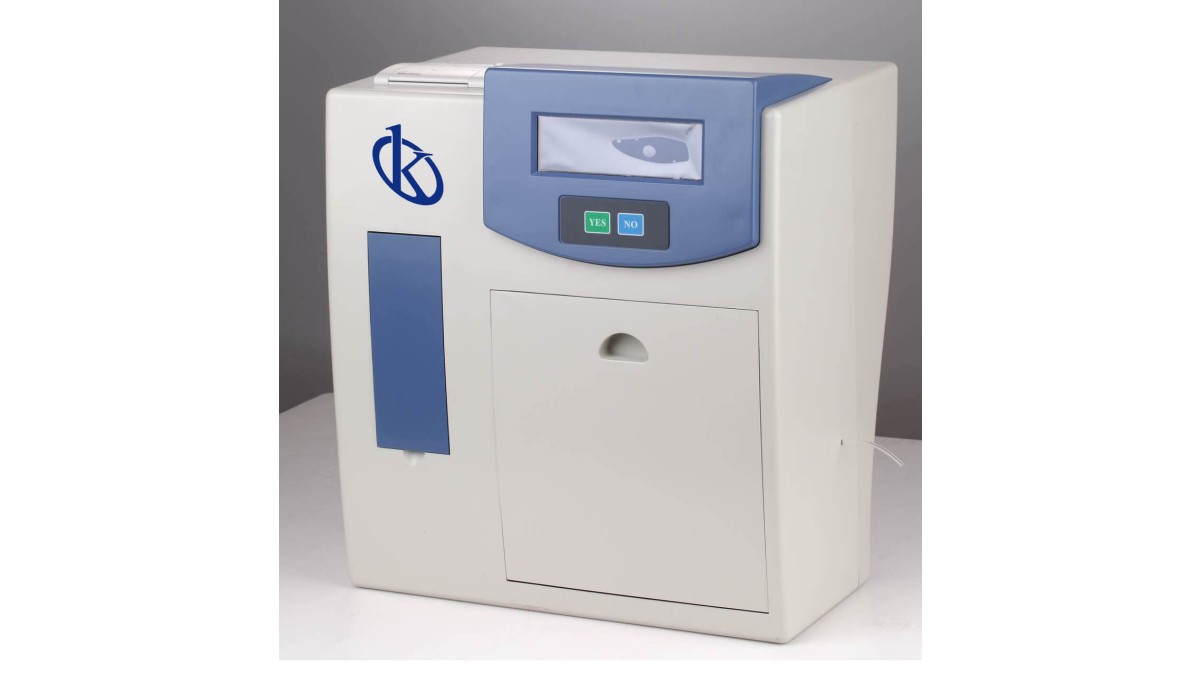
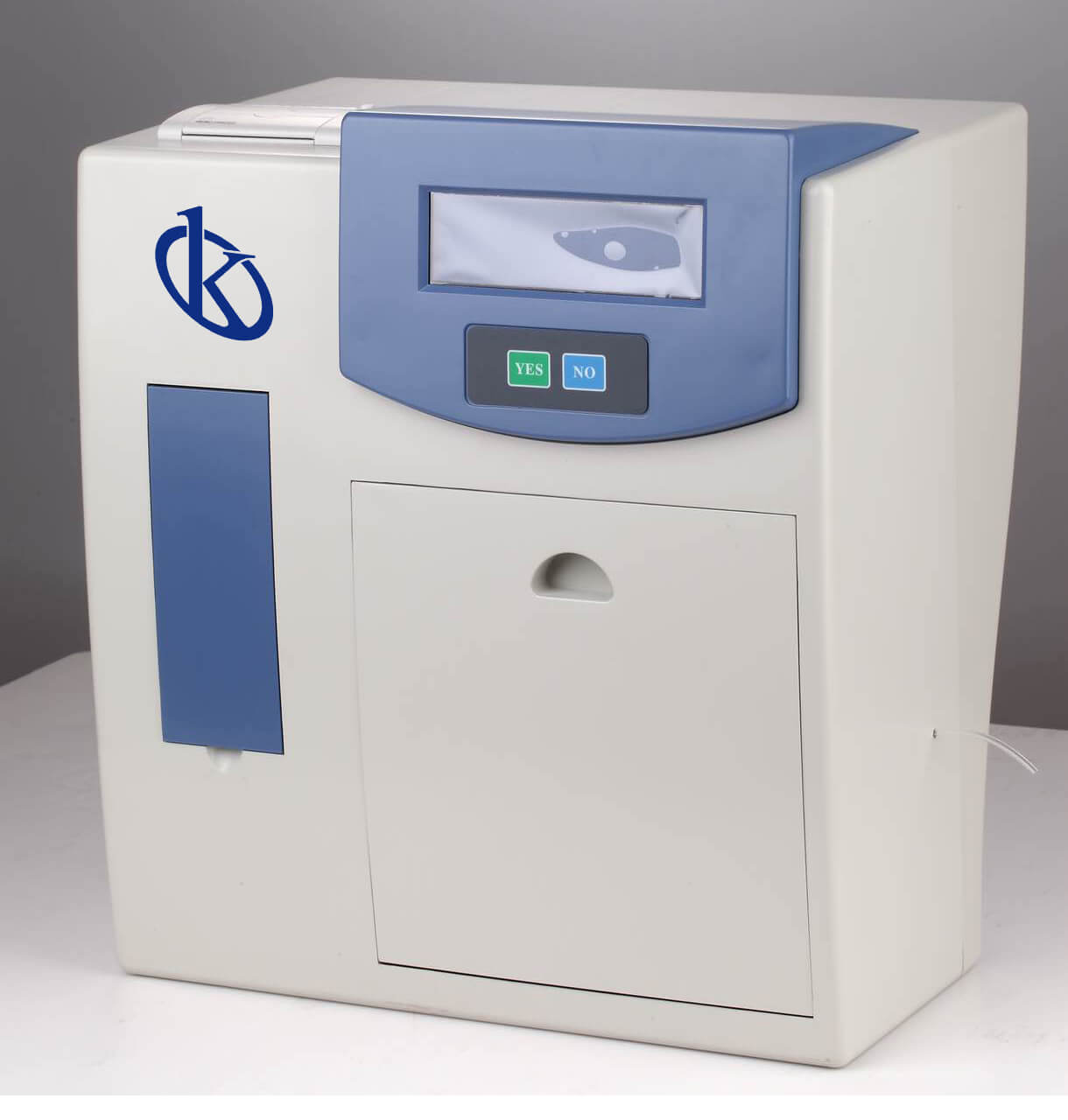
| YR05169 | Stable electric potential measurements | Weight: 8 kg, Dimensions: 38 x 27 x 40 cm, Price: $6797.50 | Ideal for real-time diagnostic tests in a busy clinical setting. |
| YR06391 | General electrolyte analysis | Price: $1250.00 | Suitable for routine checks in clinical laboratories. |
| YR06392 | Multi-element analysis | Price: $1450.00 | Best for facilities requiring multiple tests from a single sample. |
| YR06393 | Comprehensive electrolyte testing | Price: $1650.00 | Recommended for advanced clinical research labs. |
| YR06394 | Rapid testing | Price: $1850.00 | Excellent for emergency room settings where time is critical. |
| YR06395 | Versatile electrolyte analysis | Price: $2050.00 | Great for mixed sample types including urine and plasma. |
Common mistakes and how to avoid them
Laboratory professionals can avoid common pitfalls by adhering to the following guidelines:
- Improper calibration: Regularly calibrate equipment to maintain accuracy.
- Sample contamination: Use clean techniques and materials for sample collection.
- Neglecting maintenance: Establish a routine maintenance schedule to ensure reliability.
Maintenance, calibration and good practices 2026
Effective maintenance and calibration are crucial for the longevity and performance of electrolyte analyzers:
- Conduct regular checks and calibration as per the manufacturer’s recommendations.
- Store reagents correctly to ensure their effectiveness.
- Document all maintenance and calibration activities for accountability.
Cost-benefit analysis 2026
When assessing the cost and benefits of electrolyte analyzers, consider the following:
- Initial investment versus long-term savings from reduced labor and faster turnaround times.
- The impact on patient outcomes and satisfaction due to timely and accurate results.
- Potential for high-volume testing to justify costs through increased throughput.
Frequently asked questions
How do I choose the right electrolyte analyzer for my lab?
Consider factors such as the volume of tests required, the types of samples processed, and the specific electrolytes that need to be measured. Additionally, evaluate the analyzer's accuracy, speed, and ease of use.
What maintenance is required for electrolyte analyzers?
Regular maintenance includes calibration, cleaning, and checking for any software updates. Following the manufacturer's guidelines for maintenance ensures optimal performance.
Can I use the same analyzer for different types of samples?
Many modern electrolyte analyzers can handle various sample types, but it's essential to refer to the manufacturer's specifications to ensure compatibility.
What is the typical turnaround time for electrolyte tests?
Electrolyte analyzers can provide results in under 40 seconds, allowing for rapid response in clinical settings. However, the exact turnaround time may vary depending on the model and workload.
Are there any specific training requirements for operating these analyzers?
While most electrolyte analyzers are user-friendly, it is advisable for laboratory personnel to undergo training on the specific equipment to understand its features and operational protocols fully.
How can I ensure accurate results with an electrolyte analyzer?
Accurate results can be ensured by following proper sample collection techniques, regular calibration of the device, and using quality reagents. Always refer to the manufacturer's guidelines for best practices.
Where can I request a quote for electrolyte analyzers?
You can request a quote through our specialized channels to find the best pricing options for your laboratory's needs.
If you are looking for a fusion of innovation and quality, you have come to the right place. At Kalstein, we offer you the luxury of exploring our exclusive catalog of laboratory equipment. We manufacture every device to the highest standards of excellence. Our intuitive and seamless online purchasing channels are designed for your convenience, securing the most competitive prices. Hesitate no longer — we bring science to life, it is time to become part of our community.