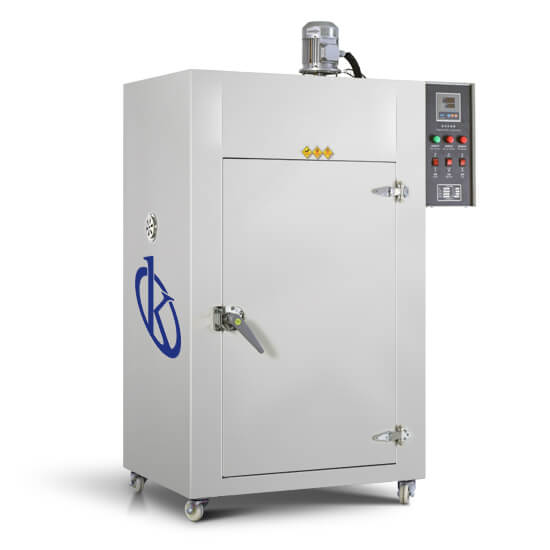
How Do Energy-Efficient Industrial Ovens Reduce Environmental Footprints?
In today’s industrial landscape, efficiency and sustainability are not just buzzwords; they are essential operational mandates. Energy-efficient industrial ovens play a crucial role in minimizing environmental footprints, which is increasingly becoming a priority for manufacturing and laboratory settings. This article will explore various models of industrial ovens, their energy efficiencies, and how they contribute to reduced environmental impacts.
Understanding the Role of Industrial Ovens in Sustainability
Industrial ovens are ubiquitous in sectors including mining, electronics, and batch production. Their primary function—heating, drying, and dehydrating products—consumes considerable energy. However, advancements in technology have led to the development of energy-efficient models that not only save energy but also comply with sustainability standards. By leveraging these technologies, industries can significantly cut down on their carbon footprints and operational costs.
Comparison of Available Models
| Model | Power Consumption (kW) | Capacity (Liters) | Temperature Range (°C) | Price (USD) |
|---|---|---|---|---|
| YR05256-A | 4-6 | 300 | RT+5 to 250 | 580.00 |
| YR05257-1-A | 8-12 | 864 | RT+5 to 250 | 1010.00 |
| YR05258-SS | 4-6 | 300 | RT+5 to 250 | 860.00 |
| YR05259-1-SS | 8-12 | 864 | RT+5 to 250 | 1510.00 |
Factors Influencing Energy Efficiency in Industrial Ovens
Several factors contribute to the energy efficiency of industrial ovens, including insulation quality, airflow design, and temperature control systems. For instance, models like the YR05257-1-A feature advanced microcomputer temperature control, which optimizes power usage and reduces excess energy consumption. Additionally, ovens equipped with double-layer doors, such as the YR05259-1-SS, reduce heat loss, further enhancing energy efficiency.
Energy Consumption Metrics and Their Importance
When evaluating energy efficiency, it is essential to look beyond just power consumption (kW). Other metrics include total energy cost per cycle and the environmental impact of operations. For example, the YR05256-A model, with lower energy consumption and quicker heating times, can result in reduced operational costs and a lower carbon footprint, making it a valuable asset for industries focused on sustainability.
Technological Innovations Driving Sustainability
Innovations in oven design and technology significantly impact sustainability. Features like intelligent airflow systems and programmable timers allow for better energy management. The YR05258-SS, for instance, is designed for uninterrupted operation over long periods, making it efficient for batch processing while minimizing energy waste. Such innovations not only enhance productivity but also align with environmental sustainability goals.
Lifecycle Assessments of Industrial Ovens
Conducting a lifecycle assessment (LCA) of industrial ovens can reveal their environmental impacts from production to disposal. This comprehensive approach considers energy use, material efficiency, and waste management. Ovens like the YR05257-1-A are built with recyclable materials, which helps reduce their overall environmental impact. Engaging in LCA enables industries to make informed decisions about their equipment and its sustainability.
Common Mistakes and How to Avoid Them
When selecting industrial ovens, common pitfalls include focusing solely on purchase price without considering long-term energy costs. Another mistake is neglecting to evaluate the energy consumption metrics. It is crucial to perform a thorough analysis of each model’s operational costs and environmental impact. Engaging with manufacturers during the selection process can also help clarify specifications and sustainability claims.
Frequently Asked Questions
How do the energy consumption metrics of industrial ovens affect operational costs?
Energy consumption metrics directly influence operational costs. For example, the YR05256-A model operates at 4-6 kW, which results in lower energy bills compared to higher consumption models. Evaluating these metrics helps you choose ovens that align with budget constraints while promoting sustainability.
Which industrial oven model offers the best sustainability features?
The YR05257-1-A model is notable for its advanced temperature control and heat retention features. Its dual-layer door design minimizes energy loss, making it one of the best options for environmentally conscious operations in industrial settings.
What role does insulation play in the energy efficiency of industrial ovens?
Insulation is critical in minimizing heat loss, which directly impacts energy efficiency. Models like the YR05259-1-SS utilize high-quality materials to maintain internal temperatures, thereby requiring less energy to operate effectively.
How can lifecycle assessments improve the selection of industrial ovens?
Lifecycle assessments provide insights into the long-term environmental impact of industrial ovens. By analyzing models like the YR05258-SS, which use recyclable materials, companies can select equipment that aligns with their sustainability goals while maximizing efficiency and reducing waste.
What are the benefits of using energy-efficient industrial ovens for drying processes?
Energy-efficient industrial ovens, such as the YR05257-1-A, not only lower operational costs through reduced energy consumption but also enhance productivity by achieving optimal drying conditions faster. This efficiency contributes to a smaller environmental footprint.
How does temperature control technology affect environmental sustainability in ovens?
Temperature control technology, like that found in the YR05258-SS model, ensures precise heating, reducing energy waste. Such advancements lead to improved energy efficiency and contribute to overall sustainability efforts in industrial operations.
Which model is best for batch processing in sustainability-focused industries?
The YR05257-1-A is ideal for batch processing, featuring a larger capacity and efficient energy use. Its design allows for long continuous operations, making it suitable for industries aiming to reduce their environmental impact while maintaining productivity.
If you are looking for a fusion of innovation and quality, you have come to the right place. At Kalstein, we offer you the luxury of exploring our exclusive catalog of laboratory equipment. We manufacture every device to the highest standards of excellence. Our intuitive and seamless online purchasing channels are designed for your convenience, securing the most competitive prices. Hesitate no longer — we bring science to life, it is time to become part of our community.