Energy Sustainability and Environmental Footprint Reduction in Micro-Spectrophotometers
In modern laboratories, the growing emphasis on energy sustainability and reducing environmental footprints has necessitated the evaluation of laboratory instruments, particularly micro-spectrophotometers. These devices are essential for various applications in life sciences, biochemistry, and molecular biology. Understanding their role in energy efficiency and environmental responsibility is crucial for laboratory professionals aiming to optimize their operations.
Understanding Micro-Spectrophotometers
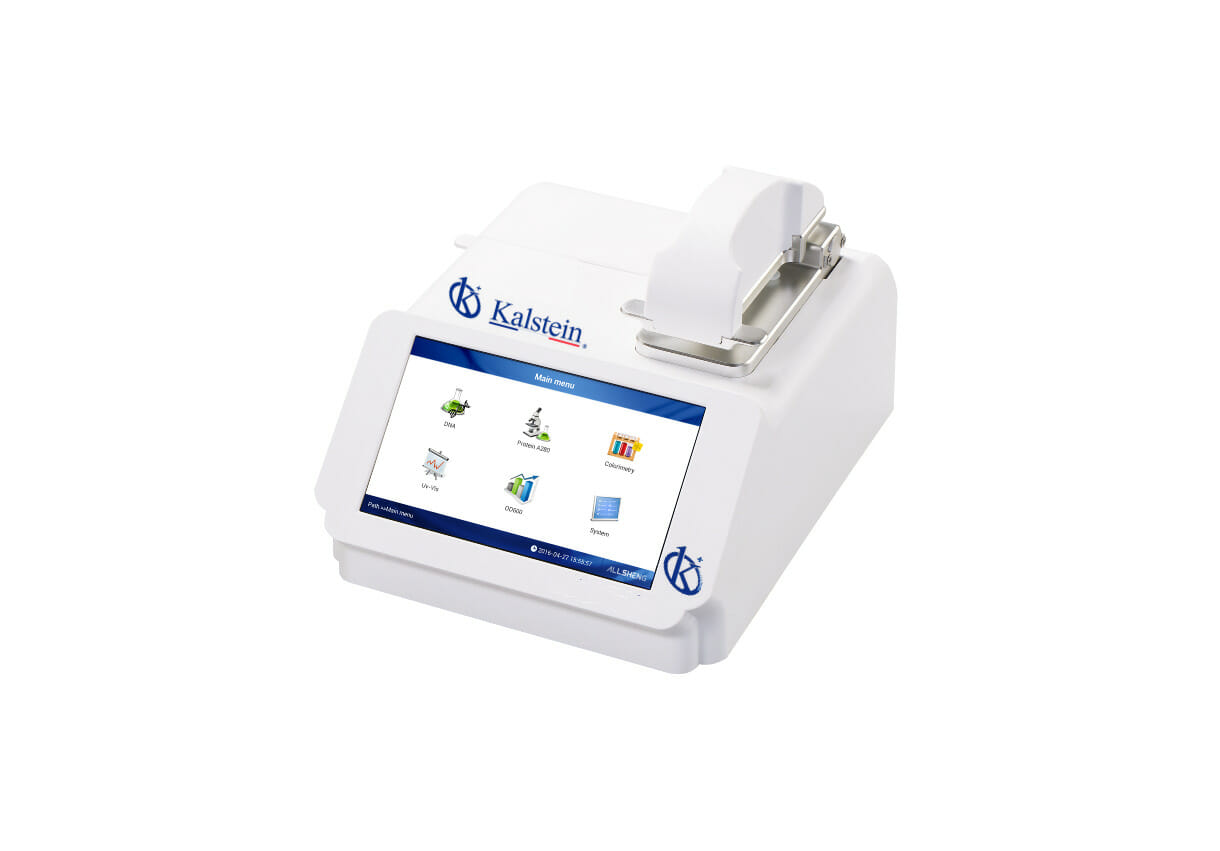
Micro-spectrophotometers are advanced analytical instruments that provide high-precision measurements of absorbance and transmittance with minimal sample volumes. Their compact design and efficient use of resources make them ideal for laboratories focused on sustainability. Instruments such as the YR06033-1, YR06034, and YR06035 exemplify how technology can contribute to both efficient analysis and reduced energy consumption.
Key Features of Micro-Spectrophotometers and Their Impact on Sustainability
Micro-spectrophotometers operate within a specific wavelength range, typically from 200-800 nm, allowing for the analysis of nucleic acids, proteins, and other compounds. The use of minimal sample volumes—sometimes as low as 0.5 µl—reduces the need for extensive reagents, contributing to overall sustainability. Moreover, the incorporation of energy-efficient light sources and optimized operational protocols can significantly lower the environmental impact of these instruments.
Energy Consumption and Efficiency Metrics
Evaluating the energy consumption of micro-spectrophotometers is vital for assessing their sustainability. For instance, the YR06033-1 utilizes a xenon flash lamp, which offers high energy efficiency and rapid warm-up times compared to traditional light sources. By benchmarking these instruments against standard energy consumption metrics, laboratories can identify opportunities to enhance their energy profiles.
Comparative Analysis of Available Models
| Model | Sample Volume (µl) | Wavelength Range (nm) | Energy Source | Price (USD) | Sustainability Features |
|---|---|---|---|---|---|
| YR06033-1 | 0.5-2 | 200-800 | Xenon Flash Lamp | 5040.00 | High efficiency, minimal sample usage |
| YR06034 | 1-2 | 260, 280 | LED | 2520.00 | Low energy consumption, quick measurements |
| YR06035 | 0.5-2 | 200-800 | Xenon Flash Lamp | 6090.00 | Advanced energy efficiency, integrated touchscreen |
Common Mistakes and How to Avoid Them
One common mistake laboratories make is underutilizing the capabilities of their micro-spectrophotometers. Each model, including the YR06034, is designed for specific applications and understanding these can enhance both efficiency and sustainability. Another mistake is neglecting regular maintenance, which can lead to increased energy consumption over time. Implementing a routine maintenance schedule can help ensure optimal performance and energy efficiency.
Energy Footprint Reduction Strategies in Laboratory Settings
Implementing strategies to reduce the energy footprint of micro-spectrophotometers involves several approaches. Using models like the YR06034, which requires only 1-2 µl per measurement, minimizes reagent waste and promotes sustainability. Additionally, integrating energy-efficient practices, such as turning off instruments when not in use and using power management settings, can further enhance the laboratory's environmental responsibility.
Lifecycle Assessment and E-Waste Considerations
Conducting a lifecycle assessment (LCA) of micro-spectrophotometers helps laboratories understand the environmental impact from manufacturing through to disposal. Instruments like the YR06035 are built with durable materials which extend their lifespan and reduce e-waste. Furthermore, laboratories should establish protocols for recycling or repurposing equipment to minimize their environmental impact.
Frequently Asked Questions
How can micro-spectrophotometers reduce environmental impact in laboratories?
Micro-spectrophotometers such as the YR06035 use minimal sample volumes and energy-efficient light sources, significantly lowering reagent usage and energy consumption. This contributes to overall environmental sustainability in laboratory operations.
What are the energy efficiency metrics for models like the YR06034?
The YR06034 utilizes an LED energy source, which reduces power consumption compared to traditional lamps, leading to lower operating costs and a smaller carbon footprint in laboratory settings.
Which micro-spectrophotometer is best for reducing reagent waste?
The YR06033-1 is ideal for reducing reagent waste due to its ability to measure with sample volumes as low as 0.5 µl. This feature not only conserves valuable reagents but also enhances sustainability efforts within laboratories.
How does energy consumption vary among different micro-spectrophotometers?
Energy consumption can vary significantly based on the technology used. For instance, the YR06035 employs a xenon flash lamp which offers high energy efficiency, while the YR06034's LED provides low power usage, showcasing different approaches to sustainability.
What is the importance of regular maintenance for energy efficiency in micro-spectrophotometers?
Regular maintenance is crucial for ensuring that micro-spectrophotometers like the YR06033-1 operate at optimal energy efficiency. Poorly maintained instruments may consume more energy and produce less accurate results.
How can laboratories implement lifecycle assessments for their equipment?
Laboratories can conduct lifecycle assessments by evaluating the energy consumption, materials used, and disposal methods for instruments like the YR06035, thereby identifying areas for improvement in sustainability practices.
What are the sustainability features of the YR06033-1 micro-spectrophotometer?
The YR06033-1 features minimal sample volume requirements, energy-efficient light sources, and a durable design, making it a sustainable choice for laboratories looking to reduce their environmental footprint.
How does the choice of light source affect the sustainability of micro-spectrophotometers?
The choice of light source significantly impacts sustainability; for instance, the YR06034 uses an LED, which consumes less energy, compared to traditional sources, thereby lowering the overall environmental impact of laboratory operations.
If you are looking for a fusion of innovation and quality, you have come to the right place. At Kalstein, we offer you the luxury of exploring our exclusive catalog of laboratory equipment. We manufacture every device to the highest standards of excellence. Our intuitive and seamless online purchasing channels are designed for your convenience, securing the most competitive prices. Hesitate no longer — we bring science to life, it is time to become part of our community.