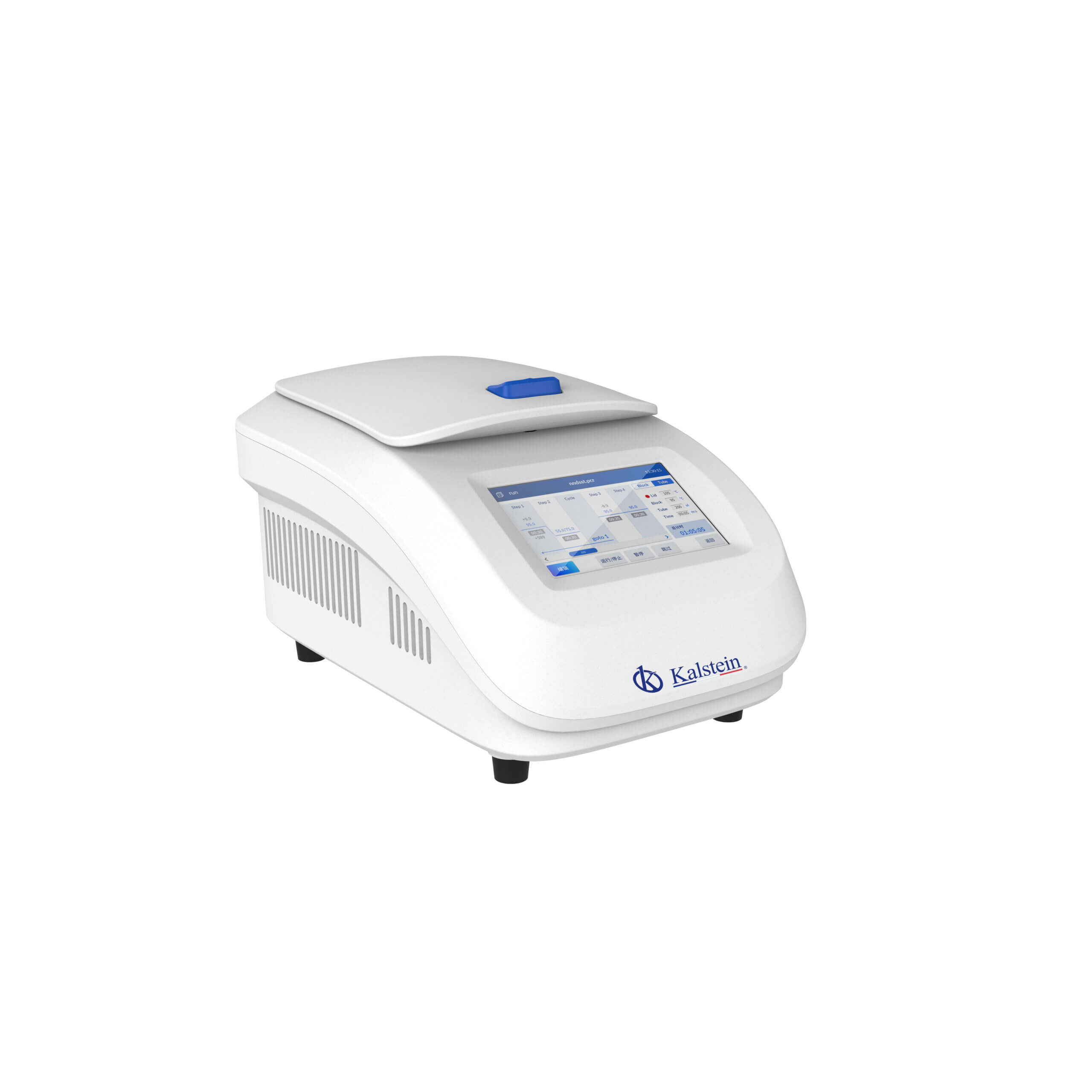
Energy Sustainability and Environmental Impact Reduction in Biochemical BOD Incubators
In the modern laboratory environment, energy sustainability and reducing environmental footprints have become essential priorities. Biochemical BOD incubators play a crucial role in various laboratory processes, and their selection can significantly influence energy consumption and overall ecological impact. This article delves into how different models of biochemical BOD incubators contribute to energy efficiency and environmental responsibility, providing laboratory professionals with valuable insights for making informed decisions.
Understanding the Role of Biochemical BOD Incubators in Energy Sustainability
Biochemical BOD incubators are designed to maintain optimal temperatures for biological and chemical processes, which are critical in various research and testing scenarios. The energy consumption of these units varies widely based on their design, technology, and operational efficiency. By choosing incubators that utilize advanced technologies, laboratories can minimize energy waste and enhance sustainability.
When evaluating biochemical BOD incubators, consider features such as Peltier-based temperature control and LED displays, which often signify increased efficiency and reduced energy usage. Additionally, the ability to customize temperature settings and cycle operations can lead to further energy savings while maintaining the integrity of samples.
Key Features for Energy Efficiency in Biochemical BOD Incubators
Several features contribute to the energy efficiency of biochemical BOD incubators:
- Peltier Technology: Models that utilize Peltier-based technology, such as the Heated Lid Dry Bath Incubator YR05889 and YR05890, provide excellent temperature control while consuming less energy than traditional compressor-based models.
- Insulation Design: Proper insulation minimizes heat loss, which is essential for maintaining consistent temperatures without excessive energy input.
- Programmable Settings: Advanced models offer programmable temperature profiles and timers, allowing users to optimize their energy use based on specific testing protocols.
- Compact Size: Smaller incubators generally consume less power, making them a practical choice for energy-conscious laboratories.
Comparison of Available Models
| Model | Temperature Control Technology | Max Temperature (°C) | Power Consumption (W) | Best Use Case |
|---|---|---|---|---|
| YR05889 | Peltier | 100 | 200 | Sample preservation and reactions |
| YR05890 | Peltier | 100 | 250 | DNA amplification and protein denaturation |
| YR05891 | PID Control | 100 | 48 | Small lab applications |
| YR05892 | PID Control | 100 | 60 | Rapid inspection kits |
| YR05893 | PID Control | 100 | 120 | Portable lab setups |
| YR05894 | Microcomputer Control | 105 | 150 | Electrophoresis and serum coagulation |
Common Mistakes and How to Avoid Them
Laboratory professionals often overlook critical features when selecting biochemical BOD incubators. One common mistake is not evaluating the energy consumption of various models adequately. It is vital to consider not only the operating wattage but also how efficiently the incubator maintains temperature. Also, many users neglect to take advantage of programmable settings, which can optimize energy usage based on specific lab workflows.
Additionally, improper placement and ventilation of incubators can lead to higher energy use. Ensuring adequate airflow and avoiding obstructions is essential to maintaining energy efficiency and prolonging the equipment's lifespan.
Energy Consumption Analysis
Understanding how much energy different models consume can help laboratories make sound decisions. The table below compares the energy consumption of the discussed models:
| Model | Max Power Consumption (W) | Estimated Energy Consumption (kWh/month) |
|---|---|---|
| YR05889 | 200 | 144 |
| YR05890 | 250 | 180 |
| YR05891 | 48 | 34.56 |
| YR05892 | 60 | 43.2 |
| YR05893 | 120 | 86.4 |
| YR05894 | 150 | 108 |
Integrating Biochemical BOD Incubators into Sustainable Lab Practices
To achieve a higher level of sustainability, laboratories are encouraged to integrate environmental considerations into their operational strategies. This can be achieved through energy audits, where labs assess the energy use of their incubators and other equipment regularly, identifying areas for improvement.
Another effective strategy is to promote a culture of sustainability among lab personnel. This involves training staff on energy-efficient practices and encouraging them to adopt habits that minimize waste and energy consumption. For example, only using incubators when necessary and ensuring they are properly maintained can lead to significant energy savings.
Frequently Asked Questions
How can I ensure my biochemical BOD incubator meets energy sustainability standards?
To ensure compliance with energy sustainability standards, consider models like the YR05891 Mini Dry Bath Incubator, which uses PID control for energy efficiency. Always check certifications such as ENERGY STAR and implement regular energy audits to maintain standards.
What are the environmental impacts of using traditional BOD incubators?
Using traditional BOD incubators can lead to higher energy consumption and increased CO2 emissions. Switching to models like the YR05889 Heated Lid Dry Bath Incubator can significantly reduce these impacts due to their efficient temperature management and lower power usage.
Which biochemical BOD incubator is best for minimizing environmental footprints?
The YR05891 Mini Dry Bath Incubator is excellent for minimizing environmental footprints due to its low power consumption of just 48W while offering high precision temperature control. It’s well-suited for small labs focused on energy sustainability.
What energy-saving features should I look for in a BOD incubator?
Look for incubators with Peltier technology, programmable settings, and effective insulation. Models like the YR05890 Heated Lid Dry Bath Incubator offer advanced features that enhance energy efficiency and operational effectiveness.
How does the size of a BOD incubator affect its energy consumption?
Generally, smaller BOD incubators like the YR05891 consume less energy than larger models due to reduced heat loss and lower operational demands. Compact designs often feature advanced energy-saving technologies that further lower consumption.
Can using energy-efficient incubators improve the lab's operational costs?
Yes, energy-efficient incubators such as the YR05894 Dry Bath Incubator can lead to lower operational costs by decreasing electricity usage. They help in cutting down overall laboratory expenses related to energy consumption, enhancing budget efficiency.
What is the expected lifespan of energy-efficient BOD incubators?
Energy-efficient BOD incubators like the YR05890 are designed for longevity, often lasting over a decade with proper maintenance. Their durable construction and energy-saving technologies contribute to their reliability and operational lifespan.
How can I calculate the ROI of switching to an energy-efficient BOD incubator?
To calculate ROI, compare the monthly energy savings of a new model like the YR05891 against its upfront cost. For example, if it saves $50 a month and costs $600, the ROI would be approximately 12 months, making it a worthwhile investment.
If you are looking for a fusion of innovation and quality, you have come to the right place. At Kalstein, we offer you the luxury of exploring our exclusive catalog of laboratory equipment. We manufacture every device to the highest standards of excellence. Our intuitive and seamless online purchasing channels are designed for your convenience, securing the most competitive prices. Hesitate no longer — we bring science to life, it is time to become part of our community.