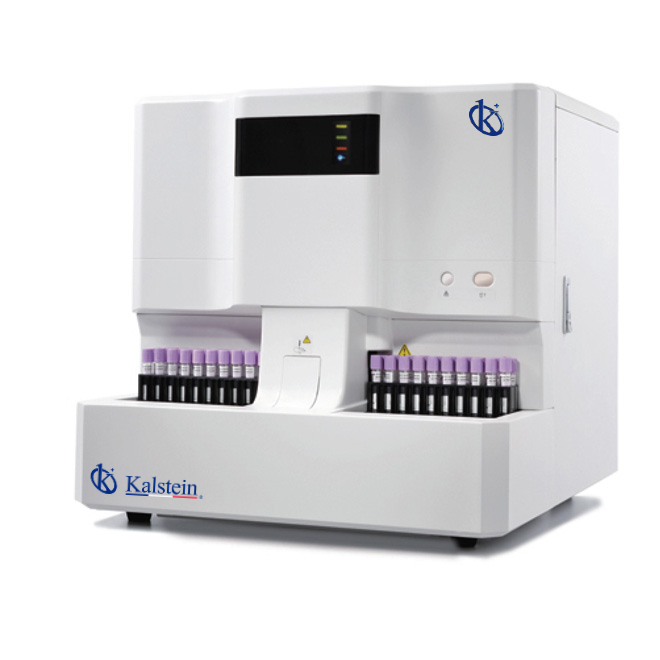
How to Improve Energy Sustainability with Hematology Analyzers
Energy sustainability has become an essential focus for laboratories worldwide. Given the growing concerns surrounding environmental impacts and operational costs, hematology analyzers play a significant role in minimizing energy consumption and enhancing laboratory efficiency. This article delves into various models of hematology analyzers, their impact on energy sustainability, and how they can help laboratories reduce their overall environmental footprint.
Understanding Energy Sustainability in Hematology Analysis
Energy sustainability refers to the ability to meet current energy needs without compromising the ability of future generations to meet theirs. In hematology analysis, this involves adopting equipment that minimizes energy consumption while maintaining high performance. Laboratories can achieve this through various means, including selecting analyzers that have energy-efficient designs, use less water and reagents, and employ renewable energy where possible.
Energy Consumption Metrics of Hematology Analyzers
To assess the energy sustainability of hematology analyzers, it is crucial to examine their energy consumption metrics. Key factors include the kilowatt-hours (kWh) consumed per run, the number of samples processed per hour, and the operational modes that optimize power usage. By analyzing these metrics, laboratories can select instruments that align with their sustainability goals.
Comparison of Available Models
| Model | Energy Consumption (kWh/run) | Samples Processed/Hour | Best For |
|---|---|---|---|
| YR06080 | 0.5 | 60 | High-demand laboratories |
| YR05123 | 0.4 | 60 | Precision-focused analysis |
| YR05122-1 | 0.3 | 60 | Comprehensive blood analysis |
| YR05122 | 0.35 | 35 | Standard laboratory settings |
| YR05121 | 0.33 | 35 | Small to medium labs |
| YR05120 | 0.32 | 35 | Low-volume testing |
Efficient Sample Processing and Energy Use
Efficient sample processing is crucial for energy sustainability in laboratories. Models such as the YR06080 and YR05123 offer high throughput with their ability to process up to 60 samples per hour. This efficiency not only saves time but also reduces the overall energy required to perform multiple tests, thereby decreasing the laboratory's carbon footprint.
Water and Reagent Usage Optimization
Another key aspect of energy sustainability is the reduction of water and reagent consumption. Advanced hematology analyzers utilize integrated systems that require lower volumes of samples and reagents. For instance, the YR05122-1 model consumes less than 20μL of blood for its tests, minimizing waste and conserving resources in busy laboratory settings.
Lifecycle Assessment of Hematology Analyzers
A lifecycle assessment (LCA) helps to evaluate the environmental impact of hematology analyzers from production to disposal. By choosing models with longer lifespans and reduced e-waste, laboratories can improve their sustainability efforts. Equipment like the YR05122-1 and YR06080 are designed for durability, contributing to lower overall environmental impacts.
Renewable Energy Integration in Laboratories
Integrating renewable energy sources within laboratory environments can significantly enhance energy sustainability. While hematology analyzers themselves may not use renewable energy directly, laboratories can power their devices with solar or wind energy, reducing reliance on fossil fuels and lowering greenhouse gas emissions.
Common Mistakes and How to Avoid Them
Laboratories often overlook simple strategies that can contribute to energy sustainability. Common mistakes include not utilizing energy-efficient modes of operation, neglecting the importance of regular maintenance for optimal performance, and failing to provide adequate training for staff on sustainability practices. To avoid these pitfalls, laboratories should develop comprehensive energy management policies that include training and regular evaluation of equipment performance.
Frequently Asked Questions
How can hematology analyzers reduce energy consumption in labs?
Hematology analyzers like the YR06080 can reduce energy consumption through efficient sample processing capabilities, operating at just 0.5 kWh per run, which helps minimize overall electricity use in laboratory settings.
What are the benefits of using energy-efficient hematology analyzers?
Energy-efficient hematology analyzers, such as the YR05123, not only save costs on electricity bills but also contribute to reduced environmental impacts, aligning laboratory operations with sustainability goals.
Which hematology analyzer is best for high-volume testing while minimizing energy use?
The YR06080 is designed for high-volume testing with a capacity of 60 samples per hour and only consumes 0.5 kWh per run, making it an excellent choice for efficient laboratory operations.
How do hematology analyzers contribute to reducing environmental footprints?
Models like the YR05122-1 minimize waste through low sample volume requirements and optimize energy use, thereby significantly reducing the overall environmental footprint of laboratory operations.
What is the impact of water usage in hematology analyzers on sustainability?
Water consumption in hematology analyzers affects sustainability significantly. Analyzers that require less water, such as the YR05122, not only reduce operational costs but also conserve essential resources, contributing to a more sustainable laboratory environment.
How can laboratories improve their energy sustainability practices?
Laboratories can improve energy sustainability by selecting energy-efficient hematology analyzers, conducting regular maintenance, and integrating renewable energy sources, thereby enhancing their overall operational efficiency.
What role does lifecycle assessment play in choosing hematology analyzers?
Lifecycle assessments help laboratories evaluate the environmental impact of hematology analyzers throughout their lifespan, guiding the selection of models like the YR05121 that are designed for durability and reduced waste.
How does the YR05122-1 model help in reducing reagent consumption?
The YR05122-1 model's low sample volume requirement of less than 20μL for tests helps reduce reagent consumption, making it a sustainable choice for laboratories focused on minimizing waste.
If you are looking for a fusion of innovation and quality, you have come to the right place. At Kalstein, we offer you the luxury of exploring our exclusive catalog of laboratory equipment. We manufacture every device to the highest standards of excellence. Our intuitive and seamless online purchasing channels are designed for your convenience, securing the most competitive prices. Hesitate no longer — we bring science to life, it is time to become part of our community.