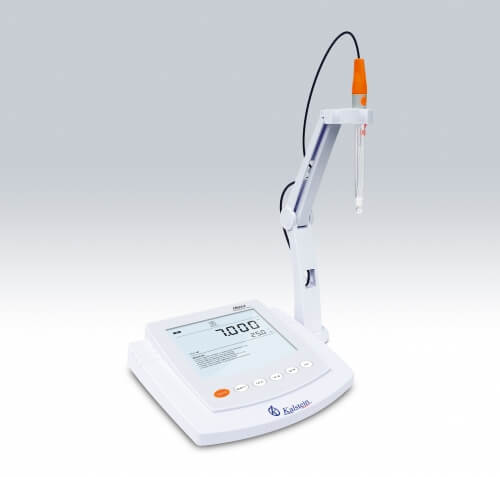
How Energy Sustainability Impacts Table Conductivity Controllers in Laboratories
As laboratories strive to improve their sustainability practices, energy consumption and environmental impact are becoming crucial considerations. Table conductivity controllers play a vital role in various laboratory applications, and understanding their energy efficiency can support broader sustainability goals. This article explores the importance of energy sustainability in the context of table conductivity controllers, comparing multiple models and discussing their features, benefits, and the overall impact on environmental footprints.
Understanding Energy Sustainability in Laboratory Equipment
Energy sustainability refers to the efficient use of energy resources while minimizing environmental harm. In laboratory settings, this involves selecting equipment that reduces energy consumption, optimizes performance, and aligns with sustainability objectives. Table conductivity controllers, used extensively for measuring the conductivity of liquids, can significantly contribute to the energy footprint of a laboratory. By choosing energy-efficient models, laboratories can lower operational costs and enhance their commitment to sustainability.
Energy Consumption of Table Conductivity Controllers
Different models of table conductivity controllers have varying energy consumption profiles. Key factors influencing energy usage include the type of display technology, data logging features, and overall design efficiency. Modern conductivity meters often incorporate energy-saving features, such as automatic shut-off and low-power modes, contributing to reduced energy consumption during idle periods. Understanding these specifications helps laboratories select equipment that minimizes energy impact.
Comparison of Available Models
| Model | Price (USD) | Energy Efficiency Features | Best Use Case |
|---|---|---|---|
| YR01836-1 | 355.00 | Large backlit LCD, automatic diagnostics | pH and conductivity measurement |
| YR01836 | 199.00 | Automatic shut-off, dual USB interface | Daily laboratory testing |
| YR01829-1 | 160.00 | Backlit display, automatic temperature compensation | Routine conductivity testing |
| YR01829-2 | 235.00 | LCD backlight, temperature compensation | Standard conductivity checks |
| YR01829 | 285.00 | Touchscreen display, wireless data transfer | Advanced laboratory applications |
| YR01828 | 232.00 | High-resolution touchscreen, Bluetooth support | Flexible laboratory testing |
Common Mistakes and How to Avoid Them
When selecting a table conductivity controller, laboratories often make mistakes that can lead to inefficiency and increased costs. Common errors include prioritizing lower upfront costs without considering long-term energy consumption, neglecting to assess the accuracy and calibration capabilities of the instrument, and failing to evaluate the compatibility of the device with existing laboratory equipment. To avoid these pitfalls, laboratories should conduct a thorough analysis of energy performance metrics and assess how each model aligns with their sustainability goals.
Promoting Energy Efficiency through Calibration
Regular calibration of table conductivity controllers is essential for maintaining accuracy and performance. Calibration schedules should be designed to align with energy efficiency practices. For instance, models like YR01836-1 and YR01829-1 offer automatic calibration features, which ensure consistent results while minimizing energy waste. Establishing a calibration routine can not only enhance data reliability but also reduce unnecessary energy use, contributing to overall sustainability efforts.
Lifecycle Assessment of Table Conductivity Controllers
Evaluating the lifecycle of table conductivity controllers provides insights into their environmental impact. A lifecycle assessment (LCA) examines the energy and resources required for manufacturing, operation, maintenance, and disposal. By selecting models with lower energy consumption and longer lifespans, laboratories can reduce their overall ecological footprint. For example, the YR01829 model’s longer operational life and energy-saving features can provide a more sustainable choice compared to less efficient models.
Strategies for Reducing the Environmental Impact of Laboratory Operations
In addition to selecting energy-efficient table conductivity controllers, laboratories can implement broader strategies to reduce their environmental impact. These may include adopting water-saving practices, implementing waste reduction measures, and utilizing renewable energy sources where feasible. By integrating sustainability into everyday laboratory operations, facilities can significantly decrease their overall energy footprint.
Frequently Asked Questions
How can table conductivity controllers reduce energy consumption in my lab?
Table conductivity controllers, like the YR01836, are designed with energy-efficient features such as automatic shut-off and backlit displays, which conserve power during idle times. By choosing models that prioritize energy efficiency, labs can effectively lower their overall energy consumption.
What energy-saving features should I look for in table conductivity controllers?
When evaluating table conductivity controllers, look for features like automatic shut-off, backlit displays, and temperature compensation. Models like YR01829 provide these features, ensuring effective energy use while maintaining accurate measurements.
Which table conductivity controller is best for achieving energy sustainability?
The YR01829 model stands out for its advanced features including a high-resolution touchscreen and wireless data transfer capability, making it ideal for labs focused on energy sustainability while providing accurate conductivity measurements.
How often should I calibrate my table conductivity controller for optimal performance?
Calibration frequency can depend on usage, but regular checks every few weeks are advisable. Models like YR01836-1 feature automatic calibration, which can help maintain performance and energy efficiency with minimal manual intervention.
How does energy efficiency impact the total cost of ownership for table conductivity controllers?
Energy-efficient models, such as the YR01836, can lower the total cost of ownership by reducing energy bills over time. Analyzing the long-term operational costs associated with energy use can provide insights into the economic benefits of investing in efficient equipment.
What role does temperature compensation play in the performance of conductivity meters?
Temperature compensation is crucial for accurate measurements, especially for models like YR01829-1 that provide automatic compensation features. This ensures that readings are consistent regardless of temperature fluctuations, improving overall efficiency.
Can I retrofit older conductivity meters to improve their energy efficiency?
While retrofitting may be possible for some models, investing in new energy-efficient conductivity meters like the YR01836-1 may offer better long-term benefits in terms of energy savings and improved performance compared to older, less efficient models.
If you are looking for a fusion of innovation and quality, you have come to the right place. At Kalstein, we offer you the luxury of exploring our exclusive catalog of laboratory equipment. We manufacture every device to the highest standards of excellence. Our intuitive and seamless online purchasing channels are designed for your convenience, securing the most competitive prices. Hesitate no longer — we bring science to life, it is time to become part of our community.