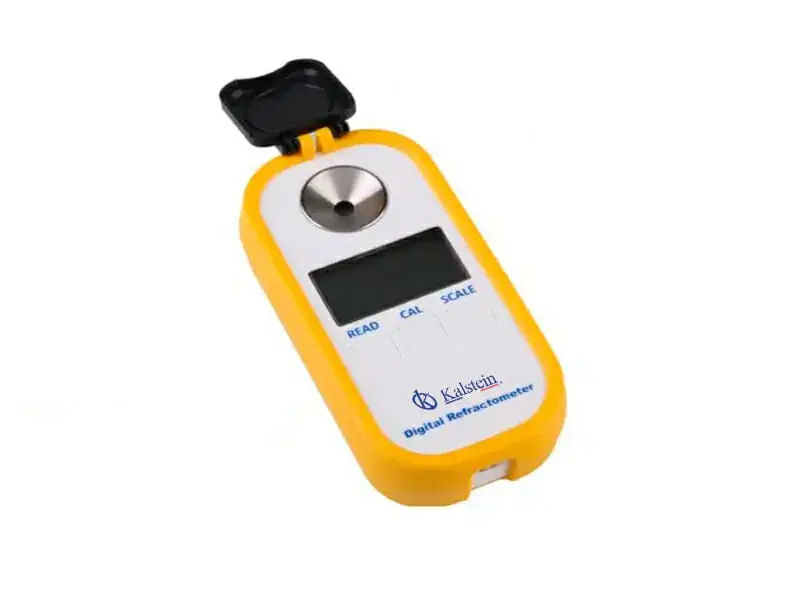
Ensuring Biosafety in the Use of Digital Salinity Refractometers
In laboratory environments, especially those dealing with chemical solutions, ensuring the safety of operators while utilizing equipment such as digital salinity refractometers is paramount. Biosafety protocols must be integrated into standard operational procedures to minimize risks associated with exposure to hazardous materials.
Understanding Biosafety Protocols
Biosafety protocols are critical in any laboratory setting, particularly when handling chemical substances that may pose risks to human health. These protocols are designed to protect laboratory personnel, the surrounding environment, and the integrity of the equipment used. Digital salinity refractometers, like the YR05953, YR05954, and YR05955 models, require adherence to specific safety measures to ensure safe operation.
Key Biosafety Levels and Their Relevance
Laboratories are classified into different biosafety levels (BSL), which dictate the necessary precautions for handling biological materials. For laboratories utilizing digital salinity refractometers, understanding these levels is essential. For instance, in BSL-1 labs, working with low-risk materials allows for basic safety protocols, whereas BSL-3 or BSL-4 labs handling more dangerous pathogens necessitate stringent controls and containment measures.
Personal Protective Equipment (PPE) Requirements
PPE is a vital component of biosafety when operating digital salinity refractometers. Such equipment protects users from potential exposure to hazardous substances. For example, gloves, goggles, and lab coats should be standard attire when operating models like the YR05956 and YR05957. Ensuring that all personnel are equipped with appropriate PPE mitigates risks associated with chemical spills or splashes.
Decontamination Protocols for Equipment
Establishing effective decontamination protocols is crucial after using digital salinity refractometers. This process ensures that any residual chemicals are safely eliminated. Following the use of the YR05958, for instance, operators should clean the device with appropriate disinfectants to prevent cross-contamination and maintain laboratory safety.
Risk Assessment Protocols for Laboratory Operations
Conducting a thorough risk assessment is a necessary step in biosafety compliance. It involves identifying potential hazards that may arise from operating digital salinity refractometers and developing mitigation strategies. For example, assessing the risk of exposure to sodium chloride solutions while using the YR05954 model could help in designing effective safety measures.
Common Mistakes and How to Avoid Them
One of the common mistakes in laboratory settings is neglecting proper training in biosafety protocols. Ensure all staff are adequately trained on the safe operation of equipment like the YR05953 digital salinity refractometer. Regular training sessions can prevent accidents and enhance compliance with safety standards.
Comparison of Available Models
| Model | Measurement Range | Minimum Division | Precision | Automatic Temperature Compensation (ATC) | Best for |
|---|---|---|---|---|---|
| YR05953 | 0.0–28.0% | 0.10% | ±0.1% | Yes | Sea water and sodium chloride solutions |
| YR05954 | 0–280‰ | 1‰ | ±1‰ | Yes | Brine solutions |
| YR05955 | 1.000-1.217 | 0.001 | ±0.002 | Yes | Density measurements |
| YR05956 | 1.3330–1.3900nD | 0.0001nD | ±0.0003nD | Yes | Index of refraction |
| YR05957 | 0—100‰ | 1‰ | ±2‰ | Yes | High salinity levels |
| YR05958 | 0–57‰ | 1‰ | ±2‰ | Yes | Clinical applications |
Frequently Asked Questions
What are the biosafety levels relevant to digital salinity refractometers?
Biosafety levels (BSL) relevant to digital salinity refractometers include BSL-1 to BSL-4, which dictate the necessary precautions for handling materials. For example, a BSL-1 lab may work with the YR05953 model with basic safety protocols, while BSL-4 requires advanced containment measures.
How should I clean my digital salinity refractometer after usage?
To properly clean the YR05954 digital salinity refractometer after use, it’s advisable to use a suitable disinfectant on the surfaces that may have come into contact with chemical solutions. This ensures safety and avoids contamination during subsequent measurements.
What PPE is essential when using digital salinity refractometers?
Essential PPE includes gloves, goggles, and lab coats when operating models like the YR05955. This protective gear minimizes the risk of exposure to hazardous chemicals present in solutions being tested.
How often should I assess risks when using salinity refractometers?
Risk assessments should be conducted regularly, ideally before the start of new experiments involving digital salinity refractometers like the YR05956. This proactive approach identifies potential hazards and implements necessary safety protocols.
What decontamination protocols exist for laboratory equipment?
Decontamination protocols typically involve cleaning the YR05957 refractometer with approved disinfectants after each use. This helps to eliminate any residual chemicals, ensuring the safety of operators and preventing cross-contamination.
Which digital salinity refractometer is best for brine solutions?
The YR05954 model is specifically designed for measuring salinity in brine solutions. Its precise measurement capabilities make it ideal for applications where high salinity levels are involved.
How can I ensure compliance with biosafety standards in my lab?
Ensuring compliance with biosafety standards involves regular training, implementing risk assessments, and following strict decontamination protocols when using digital salinity refractometers, such as the YR05958 model.
What common mistakes should I avoid in biosafety protocols?
Common mistakes include lack of training and neglecting decontamination after using equipment like the YR05953 refractometer. Regular training sessions and adherence to cleaning protocols can mitigate these risks effectively.
If you are looking for a fusion of innovation and quality, you have come to the right place. At Kalstein, we offer you the luxury of exploring our exclusive catalog of laboratory equipment. We manufacture every device to the highest standards of excellence. Our intuitive and seamless online purchasing channels are designed for your convenience, securing the most competitive prices. Hesitate no longer — we bring science to life, it is time to become part of our community.