Explosion-Proof Cabinets: Practical Usage Guide for 2026
Explosion-proof cabinets are a crucial component in laboratories where hazardous materials are handled. They provide a safe storage solution for flammable and combustible liquids, ensuring compliance with safety regulations while protecting personnel and facilities from potential fire hazards. In this guide, we will explore the applications, best practices, and techniques involved in using explosion-proof cabinets effectively in 2026.
What is it used for in 2026
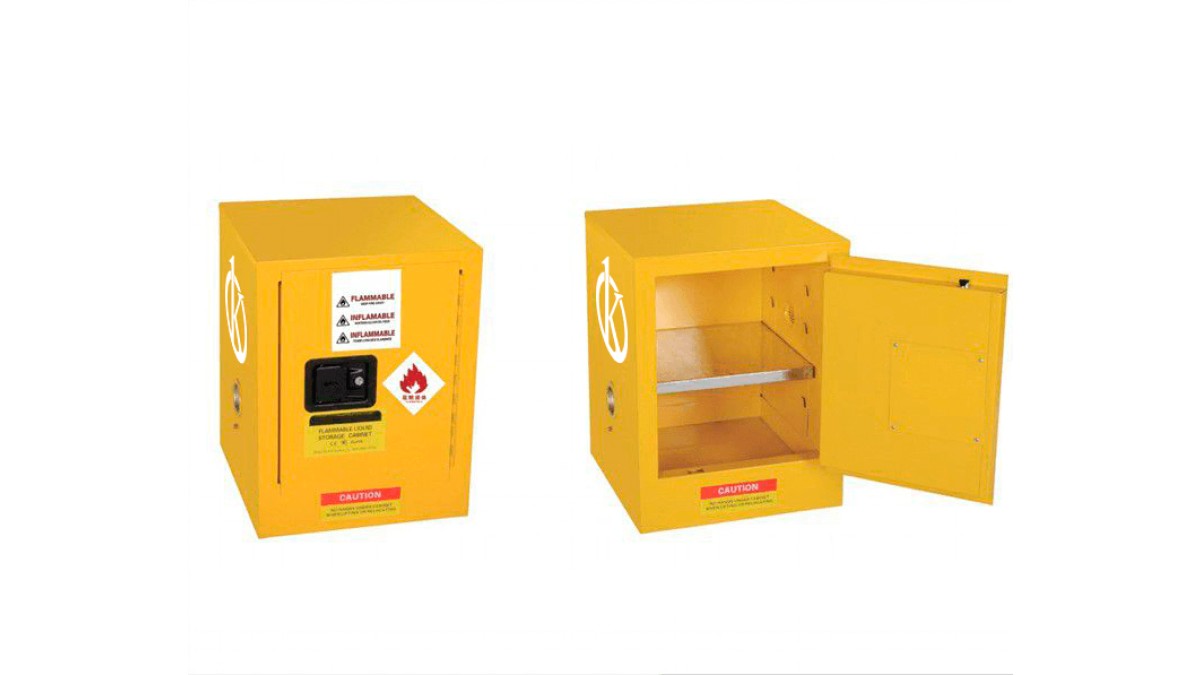
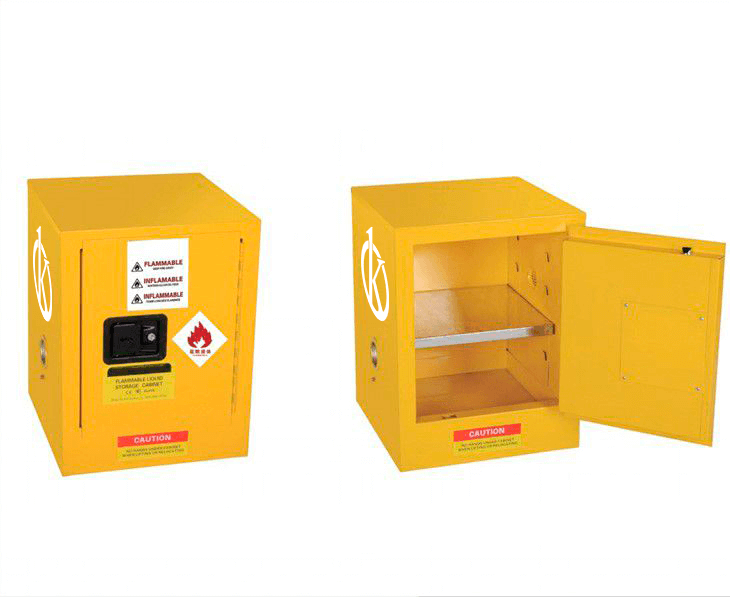
In 2026, explosion-proof cabinets are primarily used for the safe storage of flammable, corrosive, and combustible materials in various laboratory and industrial settings. These cabinets are designed to withstand explosions and minimize the risk of fire, providing a secure environment for hazardous substances. They are essential in sectors such as healthcare, chemical manufacturing, and research laboratories.
History and evolution of the technology
The concept of explosion-proof storage dates back several decades, evolving alongside advancements in safety regulations and material handling technologies. Initially developed to address the risks associated with volatile chemicals, the design of these cabinets has progressed significantly. Modern explosion-proof cabinets now feature advanced locking mechanisms, adjustable shelving, and multi-color coding for easy identification of the contents, greatly enhancing safety and usability.
How to use it step by step
- Assess Your Needs: Identify the types of materials you will store (flammable, corrosive, etc.) and select an explosion-proof cabinet that meets those specifications.
- Install in a Suitable Location: Choose a well-ventilated area away from ignition sources for cabinet installation.
- Load Materials Properly: Organize materials in accordance with compatibility and safety guidelines. Ensure heavy items are stored on lower shelves.
- Secure the Cabinet: Lock all doors when not in use and ensure all personnel are trained on how to operate the cabinet properly.
- Regular Inspections: Conduct routine checks to ensure the cabinet is in good condition and free from leaks or damage.
Best techniques and protocols
To maximize safety and efficiency when using explosion-proof cabinets, follow these best practices:
- Ensure all storage containers are properly labeled and sealed.
- Maintain a clear space around the cabinet to prevent obstructions.
- Utilize secondary containment methods for added protection.
- Train all personnel in emergency procedures related to hazardous materials.
Practical applications by laboratory type
Explosion-proof cabinets can be utilized across various laboratory types:
- Research Laboratories: Store flammable solvents and reagents safely.
- Pharmaceutical Labs: Secure hazardous chemicals used in drug development.
- Chemical Manufacturing: Provide safe storage for bulk chemicals and intermediates.
Regulations, standards and certifications
Compliance with national and international safety standards is essential for explosion-proof cabinets. Key regulations include:
- OSHA (Occupational Safety and Health Administration) regulations for hazardous material storage.
- NFPA (National Fire Protection Association) guidelines for flammable and combustible liquids.
- Local fire and safety codes that may impose additional requirements.
Comparison with alternative technologies
While explosion-proof cabinets offer a high level of safety for hazardous materials, alternatives such as ventilated storage cabinets and chemical storage lockers may be used depending on the specific requirements. However, explosion-proof cabinets provide superior protection against explosion risks compared to standard storage solutions.
Comparison of available models
| Model | Best for | Key specs | Recommended use case |
|---|---|---|---|
| YR05464-1 | Flammable liquids | 2-4 Gallon capacity, 330x330x330 mm dimensions | Research labs requiring secure storage for flammables |
| YR05464-2 | Combustible liquids | 2-4 Gallon capacity, 330x330x330 mm dimensions | Chemical labs handling combustible materials |
| YR05465 | Corrosive liquids | 2-4 Gallon capacity, 330x330x330 mm dimensions | Pharmaceutical labs with corrosive substances |
| YR05465-1 | Flammable liquids | 2-4 Gallon capacity, 330x330x330 mm dimensions | Secure storage for flammable solvents |
| YR05465-2 | Combustible liquids | 2-4 Gallon capacity, 330x330x330 mm dimensions | Chemical handling in industrial settings |
Common mistakes and how to avoid them
Some common mistakes when using explosion-proof cabinets include:
- Overloading the cabinets beyond their weight capacity.
- Improper labeling of stored materials, leading to confusion and safety risks.
- Neglecting regular maintenance checks and inspections.
To avoid these pitfalls, ensure all personnel are trained adequately and follow manufacturer guidelines for usage and maintenance.
Maintenance, calibration and good practices 2026
Regular maintenance of explosion-proof cabinets is essential for ensuring safety and compliance:
- Inspect locking mechanisms and seals regularly for functionality.
- Clean the interior and exterior surfaces to prevent chemical build-up.
- Document all maintenance activities to keep a record of compliance.
Cost-benefit analysis 2026
Investing in explosion-proof cabinets can seem costly upfront, but the benefits outweigh the expenses:
- Reduced risk of accidents and related costs.
- Compliance with safety regulations, avoiding fines.
- Protection of both personnel and assets in the laboratory.
Frequently asked questions
What should I consider when choosing an explosion-proof cabinet?
Consider the types of hazardous materials you will store, the cabinet's capacity, and compliance with local safety regulations to ensure proper selection.
How often should explosion-proof cabinets be inspected?
It is recommended to inspect explosion-proof cabinets at least once a month to ensure they are in good working order and safe for use.
Can I store different types of hazardous materials in one cabinet?
Only store compatible materials together. Different types of hazardous substances should have separate cabinets to prevent reactions.
What maintenance is required for explosion-proof cabinets?
Regular inspections, cleaning, and ensuring locking mechanisms are functioning correctly are essential to maintain safety and compliance.
Are explosion-proof cabinets required by law?
In many jurisdictions, yes. Compliance with safety regulations often mandates the use of explosion-proof cabinets for storing flammable and hazardous materials.
How can I improve safety when using explosion-proof cabinets?
Train all personnel on proper usage, conduct regular audits, and ensure proper labeling and storage techniques are followed.
Where can I request a quote for explosion-proof cabinets?
You can request a quote through our comprehensive catalog, tailored to your laboratory needs.
If you are looking for a fusion of innovation and quality, you have come to the right place. At Kalstein, we offer you the luxury of exploring our exclusive catalog of laboratory equipment. We manufacture every device to the highest standards of excellence. Our intuitive and seamless online purchasing channels are designed for your convenience, securing the most competitive prices. Hesitate no longer — we bring science to life, it is time to become part of our community.