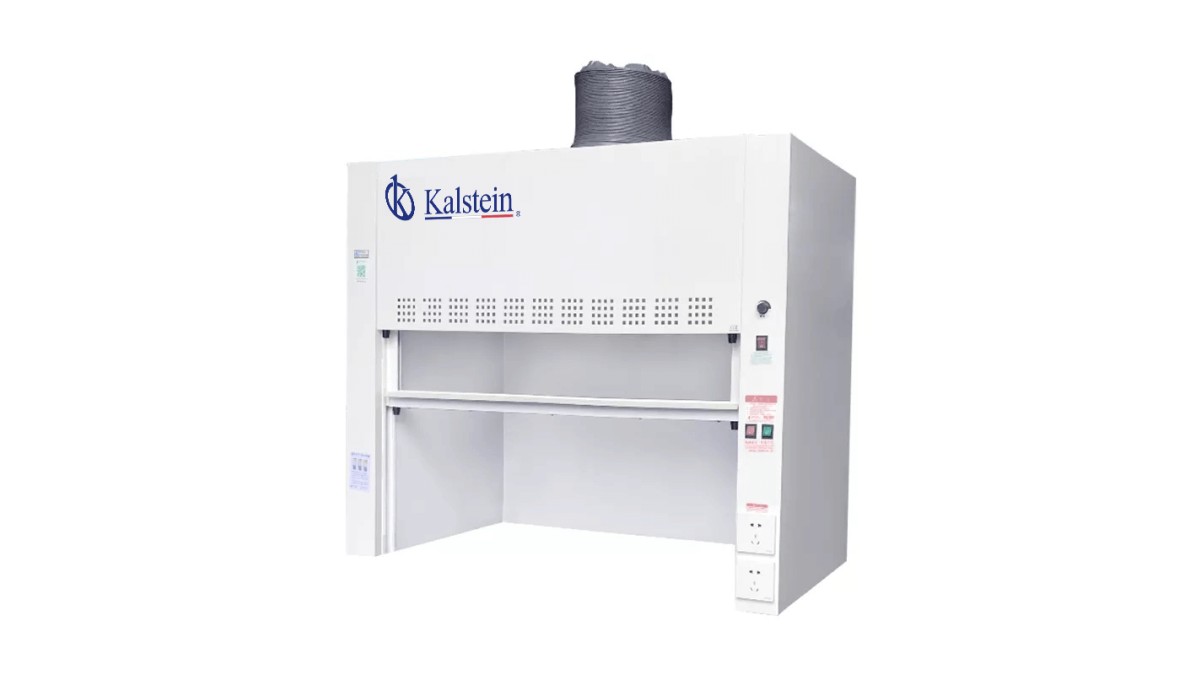
Fume Hood Cabinets: Practical Applications and Techniques 2026
Fume hood cabinets are an essential piece of laboratory equipment that ensures safety and efficiency in handling hazardous materials. This guide aims to provide laboratory professionals with a comprehensive understanding of the usage, applications, and best practices related to fume hood cabinets in 2026.
What is it used for in 2026
Fume hood cabinets are primarily used to protect laboratory personnel from hazardous fumes, vapors, and particulate matter. In 2026, the focus on safety in laboratory environments has intensified due to increased regulations and awareness of chemical exposure risks. These cabinets are employed in various applications, including chemical handling, biological research, and environmental testing, to create a controlled atmosphere that minimizes exposure to harmful substances.
History and evolution of the technology
The concept of the fume hood dates back to the late 19th century when laboratories began to recognize the need for ventilation systems to protect workers from toxic substances. Over the years, advancements in materials and design have led to the development of modern fume hoods that offer improved safety features, such as automatic sash controls, enhanced airflow designs, and integrated monitoring systems. Today, fume hood cabinets are equipped with advanced technology to ensure optimal airflow and user safety.
How to use it step by step
Using a fume hood cabinet effectively involves several key steps:
- Preparation: Ensure the fume hood is clean and free of any obstructions. Verify that all necessary materials and equipment are within reach.
- Personal Protective Equipment (PPE): Wear appropriate PPE, including gloves, goggles, and lab coats.
- Sash Position: Adjust the fume hood sash to the recommended height, typically between 16 and 18 inches, before beginning work.
- Equipment Setup: Position any equipment (e.g., glassware, instruments) inside the hood, ensuring adequate airflow around all items.
- Conducting Experiments: Perform experiments or processes inside the fume hood, continually monitoring airflow and ensuring all materials remain within the hood's confines.
- Post-Use Protocol: After completing your work, clean the area, dispose of waste properly, and return the sash to the closed position.
Best techniques and protocols
To maximize the effectiveness of fume hood cabinets, laboratory professionals should follow best techniques and protocols, including:
- Regularly inspect the fume hood for any signs of damage or malfunction.
- Keep all fume hood transactions within the designated area to ensure proper airflow.
- Utilize appropriate waste disposal methods for any hazardous materials used.
- Ensure regular maintenance and calibration checks are conducted to maintain optimal performance.
Practical applications by laboratory type
Fume hood cabinets serve various laboratory types, including:
- Chemical Laboratories: Handling volatile chemicals and performing reactions safely.
- Biological Laboratories: Working with pathogenic organisms requiring containment to prevent exposure.
- Environmental Testing Facilities: Analyzing air or water samples that may contain harmful contaminants.
Regulations, standards and certifications
Fume hood cabinets must adhere to various regulations and certifications to ensure safety and efficacy. Key standards include:
- ANSI/AIHA Z9.5: Ventilation in Laboratories
- OSHA Standards for Occupational Safety
- NFPA Guidelines for Fire Safety
Comparison with alternative technologies
While fume hoods are widely used, alternative technologies include:
- Biological Safety Cabinets (BSCs): Designed specifically for biohazardous materials, protecting both the user and the sample.
- Local Exhaust Ventilation (LEV): Targeted ventilation systems for specific processes, although less comprehensive than fume hoods.
Comparison of available models
| Model | Best for | Key specs | Recommended use case |
|---|---|---|---|
| YR05808 | Basic chemical handling | External dimensions: 650x650x1000 mm; Price: $390.00 | Ideal for small experiments requiring basic ventilation. |
| YR05809 | General laboratory tasks | External dimensions: 800x650x1000 mm; Price: $420.00 | Versatile for various chemical workflows. |
| YR05810 | Complex chemical procedures | External dimensions: 1000x650x1000 mm; Price: $470.00 | Best for larger-scale experiments. |
| YR05811 | Multi-use applications | External dimensions: 1000x650x1000 mm; Price: $508.00 | Suitable for diverse laboratory environments. |
| YR05812 | High-capacity chemical handling | External dimensions: 1500x650x1000 mm; Price: $526.00 | Designed for extensive laboratory activities. |
| YR05813 | Advanced chemical procedures | External dimensions: 800x650x1900 mm; Price: $610.00 | Best for high-volume, hazardous material handling. |
Common mistakes and how to avoid them
Laboratory professionals often make mistakes when using fume hood cabinets. Common errors include:
- Overloading the hood: Avoid placing too many items inside the hood, which can obstruct airflow.
- Incorrect sash height: Always maintain the sash at the recommended height to ensure maximum protection.
- Ignoring maintenance checks: Schedule regular inspections to ensure the hood is functioning correctly.
Maintenance, calibration and good practices 2026
To keep fume hood cabinets operating efficiently, follow these maintenance and calibration practices:
- Conduct regular airflow tests to ensure compliance with safety standards.
- Clean the interior regularly to prevent contamination.
- Keep an updated log of maintenance and repairs for accountability.
Cost-benefit analysis 2026
Investing in fume hood cabinets can be justified by their numerous benefits:
- Enhanced Safety: Minimizing exposure to hazardous substances protects laboratory personnel.
- Increased Efficiency: Proper ventilation allows for smoother workflows.
- Long-term Savings: Investing in quality fume hoods reduces replacement costs over time.
Frequently asked questions
What should I consider when selecting a fume hood cabinet?
Consider the size, airflow requirements, and specific applications of the fume hood. Ensure it complies with safety regulations and is suitable for the materials you will be using.
How often should I perform maintenance on my fume hood?
It is recommended to perform maintenance checks at least annually, or more frequently for high-use hoods, to ensure optimal performance and safety.
Can I use a fume hood for all types of chemicals?
While fume hoods are designed for many chemicals, always refer to the manufacturer's guidelines regarding compatibility with specific substances.
What are the signs that my fume hood is not functioning properly?
Signs include unusual noises, reduced airflow, or visible damage. If you notice any of these, conduct an inspection immediately.
How do I know I am using the correct sash height?
The correct sash height is typically marked on the fume hood. Follow the manufacturer's recommendations to ensure maximum safety and airflow efficiency.
What is the best way to dispose of hazardous materials used in a fume hood?
Always follow your laboratory's hazardous waste disposal protocols and guidelines to ensure safe and compliant disposal of materials.
If you are looking for a fusion of innovation and quality, you have come to the right place. At Kalstein, we offer you the luxury of exploring our exclusive catalog of laboratory equipment. We manufacture every device to the highest standards of excellence. Our intuitive and seamless online purchasing channels are designed for your convenience, securing the most competitive prices. Hesitate no longer — we bring science to life, it is time to become part of our community.