Hematology Reagents: Practical Applications and Techniques 2026
Hematology reagents are vital tools in the clinical laboratory, used for a variety of applications including blood component analysis, hemoglobin determination, and cellular studies. This guide will provide laboratory professionals with an in-depth look at how these reagents are employed, the techniques involved, and best practices in 2026.
What is it used for in 2026
In 2026, hematology reagents are utilized extensively for their ability to assist in the diagnosis and monitoring of various blood disorders. They play a critical role in:
- Complete Blood Count (CBC): Analyzing red blood cells, white blood cells, and platelets.
- Hemoglobin Analysis: Measuring hemoglobin levels to identify anemia and other conditions.
- Cellular Morphology Studies: Evaluating the shape and structure of cells for potential abnormalities.
- Blood Typing: Determining blood types for transfusions and compatibility testing.
These applications are fundamental in both clinical and research settings, ensuring accurate diagnostics and effective patient management.
History and evolution of the technology
The development of hematology reagents has evolved significantly since the early 20th century. Initially, hematology testing relied on simple microscopy and manual techniques. Over the decades, advancements in chemical analysis and automation have transformed these practices.
The introduction of automated hematology analyzers in the late 20th century revolutionized the field, allowing for greater accuracy and efficiency. Modern hematology reagents are now designed to work seamlessly with automated systems, further enhancing their effectiveness.
How to use it step by step
Using hematology reagents effectively involves several key steps:
- Preparation: Review the manufacturer's instructions for the specific reagent model you are using.
- Sample Collection: Collect blood samples using appropriate collection tubes to avoid contamination.
- Dilution: Prepare samples as per the reagent requirements, diluting if necessary.
- Application: Apply the reagent to the sample according to the protocol, ensuring proper mixing.
- Analysis: Read results using an appropriate analyzer or microscope and interpret data based on standard reference ranges.
- Documentation: Record results in the laboratory information system for tracking and analysis.
Following these steps ensures accurate and reliable results.
Best techniques and protocols
To maximize the effectiveness of hematology reagents, adherence to the following techniques and protocols is advised:
- Quality Control: Regularly calibrate and maintain analyzers and equipment.
- Standard Operating Procedures (SOPs): Develop SOPs for reagent handling and sample processing.
- Training: Ensure laboratory staff are trained on the latest techniques and safety protocols.
- Data Management: Implement robust data management practices for accurate result tracking.
These practices are essential for maintaining high standards in laboratory testing.
Practical applications by laboratory type
Hematology reagents find applications across various types of laboratories:
- Clinical Laboratories: Primarily for routine blood tests and diagnostics.
- Research Laboratories: For studying blood diseases and developing new treatment methodologies.
- Transfusion Medicine: In blood banks for compatibility testing and component separation.
Each laboratory type leverages these reagents to address specific needs and improve patient outcomes.
Regulations, standards and certifications
Compliance with regulations and standards is crucial in the use of hematology reagents. Key certifications and guidelines include:
- ISO 13485: A standard for quality management systems in medical devices.
- CLIA: Clinical Laboratory Improvement Amendments, ensuring accuracy and reliability in laboratory testing.
- CE Marking: Certification indicating conformity with health, safety, and environmental protection standards.
Adhering to these regulations assures users of the reliability of the reagents used.
Comparison with alternative technologies
When comparing hematology reagents with alternative technologies, several factors must be considered:
- Accuracy: Hematology reagents often provide higher accuracy in cell analysis than manual methods.
- Efficiency: Automated systems using these reagents reduce processing time significantly.
- Cost: While some alternatives may be cheaper, the cost-effectiveness of hematology reagents in terms of the quality of results should be considered.
Effective evaluation ensures that laboratories choose the best tools for their needs.
Comparison of available models
| Model | Best for | Key specs | Recommended use case |
|---|---|---|---|
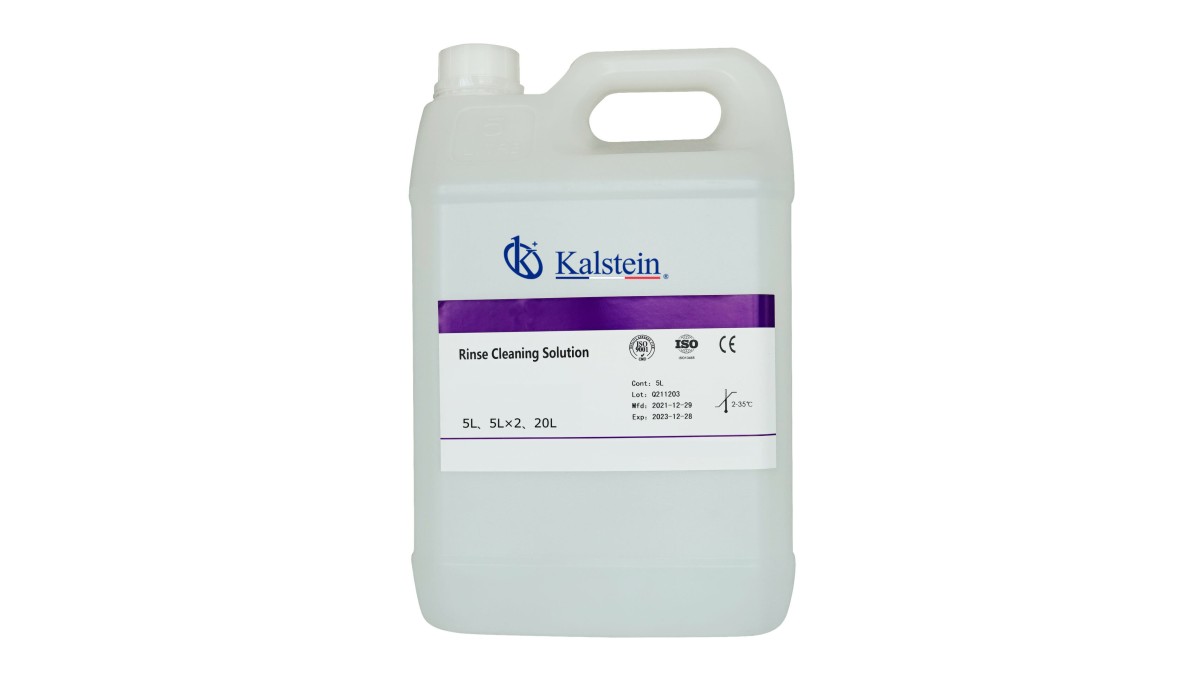
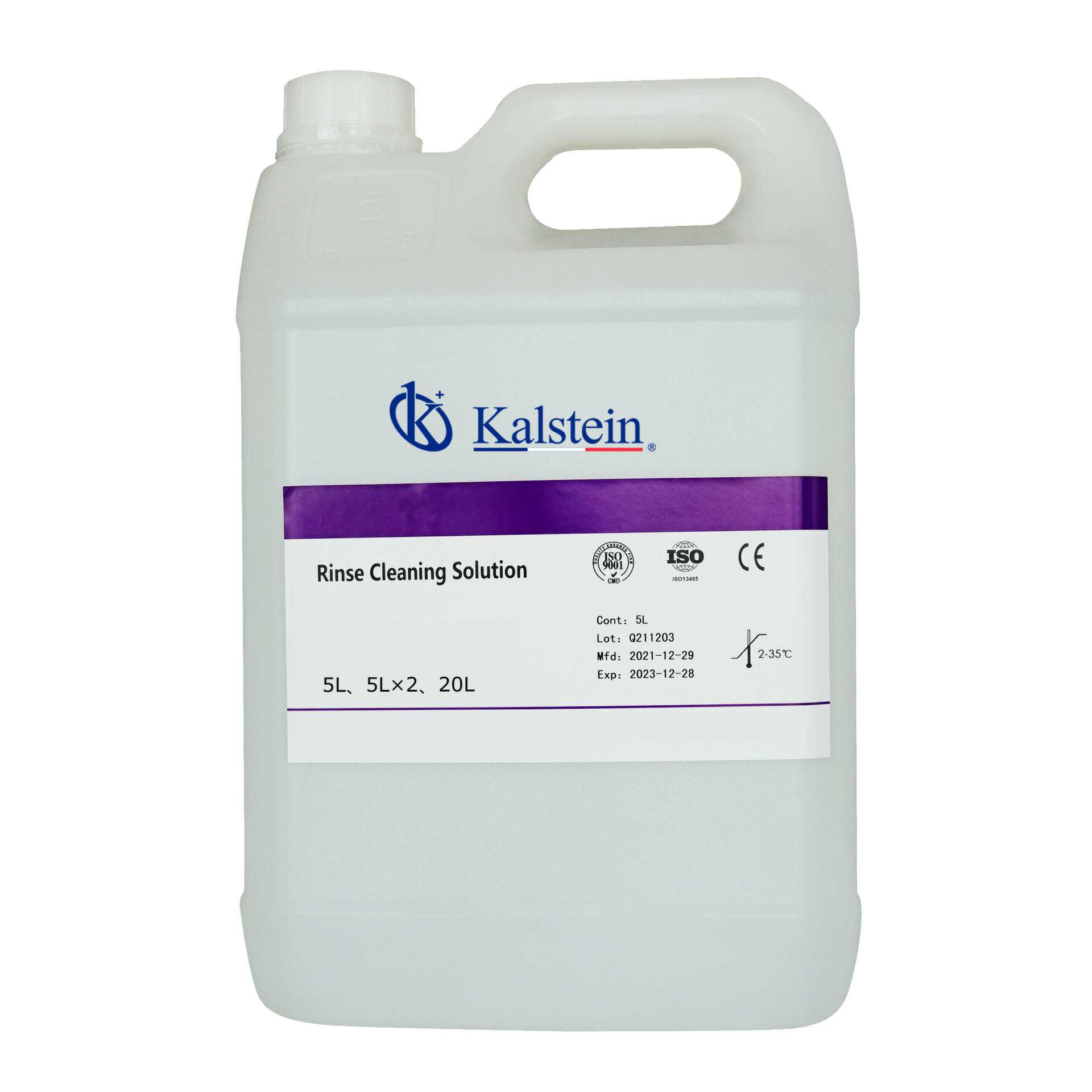
| YRA45 | Cleaning solution for blood cell analyzers | 20L | Effective in maintaining analyzer performance |
| YRA46 | Lyse for blood cell analysis | 500 ml | Ideal for in vitro blood detection |
| YRA47 | Clarifying solutions | 5L, 20L | Used to enhance clarity in blood samples |
| YRA48 | EZ Cleaner | 100 ml | Recommended for quick system cleaning |
| YRA49 | Probe cleaner | 50 ml | Necessary for maintaining probe integrity |
| YRA50 | Diluent for sample preparation | 20L | Essential for accurate sample dilution |
Common mistakes and how to avoid them
Common mistakes in using hematology reagents include:
- Incorrect Dilution: Always follow the recommended dilution ratios to avoid skewed results.
- Expired Reagents: Regularly check the expiration dates of reagents before use.
- Poor Sample Handling: Use appropriate techniques for sample collection and storage to prevent contamination.
By being aware of these pitfalls, laboratory professionals can ensure better outcomes and more reliable analyses.
Maintenance, calibration and good practices 2026
Regular maintenance and calibration are essential for the longevity and accuracy of hematology reagents:
- Daily Checks: Ensure all equipment is functioning correctly before processing samples.
- Calibration: Perform regular calibrations based on manufacturer guidelines to maintain result accuracy.
- Safe Storage: Store reagents in controlled environments to maintain their efficacy.
Following these practices contributes to improved reliability in laboratory operations.
Cost-benefit analysis 2026
In 2026, conducting a cost-benefit analysis of hematology reagents involves evaluating:
- Purchase Costs: Analyzing the pricing of various reagent models available.
- Operational Efficiency: Assessing time saved through automated processes.
- Quality of Results: Considering the impact of reagent quality on diagnostic accuracy and patient care.
Such analyses help laboratories make informed decisions regarding reagent procurement.
Frequently asked questions
What is the best practice for storing hematology reagents?
Hematology reagents should be stored in a cool, dry place away from direct sunlight and in accordance with the manufacturer’s instructions to maintain their effectiveness.
How often should hematology reagents be calibrated?
Calibration should be done regularly, ideally daily or weekly, depending on the volume of tests being processed and manufacturer guidelines.
What are the common signs of reagent degradation?
Signs of reagent degradation include changes in color, precipitation, or alterations in expected performance during testing.
How do I choose the right hematology reagent model for my laboratory?
Choose a model based on your specific testing needs, volume of samples, and compatibility with your existing laboratory equipment.
What are the implications of using expired reagents?
Using expired reagents can lead to inaccurate results, which could affect patient diagnoses and treatment decisions.
Can hematology reagents be used for research purposes?
Yes, many hematology reagents are suitable for research applications, especially in studies involving blood analysis or disease pathogenesis.
How can I ensure the accuracy of my test results?
Ensure accuracy by following proper protocols for reagent use, calibrating equipment regularly, and conducting quality control checks.
If you are looking for a fusion of innovation and quality, you have come to the right place. At Kalstein, we offer you the luxury of exploring our exclusive catalog of laboratory equipment. We manufacture every device to the highest standards of excellence. Our intuitive and seamless online purchasing channels are designed for your convenience, securing the most competitive prices. Hesitate no longer — we bring science to life, it is time to become part of our community.