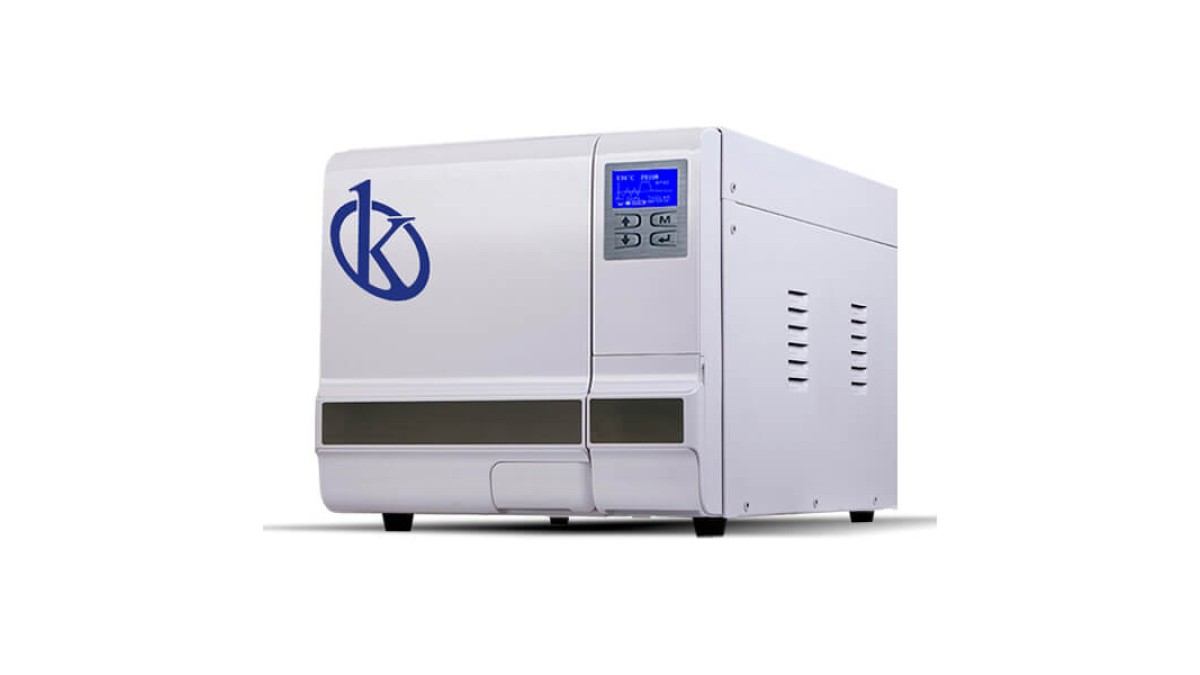
Horizontal Autoclaves: Best Techniques and Protocols 2026
What is it used for in 2026
Horizontal autoclaves are essential for sterilization in various industries, particularly in laboratories, veterinary clinics, beauty salons, and tattoo parlors. In 2026, their use has expanded due to advancements in sterilization technology, allowing for efficient and safe removal of microorganisms from medical and non-medical instruments. They are designed for optimal space utilization while providing a range of chamber sizes to cater to different needs, making them ideal for small businesses and laboratories.
History and evolution of the technology
The technology of autoclaving has evolved significantly since its inception. Initially developed in the 19th century, the first autoclaves were rudimentary and relied on simple steam sterilization. Over the decades, advancements such as the introduction of pressure control systems and automated cycles have revolutionized the field. By 2026, horizontal autoclaves embody cutting-edge technology, incorporating precise controls for temperature and pressure, pre-vacuum cycles, and programmable sterilization settings.
How to use it step by step
Using a horizontal autoclave involves several key steps:
- Prepare the items for sterilization by cleaning and packaging them appropriately.
- Load the items into the autoclave chamber, ensuring proper spacing for steam circulation.
- Close and seal the door securely to prevent steam leaks during the cycle.
- Set the desired sterilization parameters, including time, temperature, and pressure, based on the manufacturer's guidelines.
- Start the autoclave, monitoring the process through the display interface.
- Once the cycle is complete, allow the chamber to cool before opening the door.
- Unload the sterilized items and store them properly to maintain sterility.
Best techniques and protocols
In 2026, best practices for using horizontal autoclaves include:
- Regular calibration and maintenance to ensure accurate performance.
- Utilizing appropriate sterilization cycles based on load type and material.
- Implementing biological indicators to verify sterilization efficacy.
- Training staff on proper loading techniques to maximize sterilization efficiency.
- Documenting sterilization cycles and outcomes for regulatory compliance.
Practical applications by laboratory type
Different laboratories utilize horizontal autoclaves for various applications:
- Medical Laboratories: Sterilization of surgical instruments and glassware.
- Veterinary Clinics: Sterilizing tools and equipment used in animal care.
- Beauty Salons: Ensuring hygiene by sterilizing tools used for cosmetic procedures.
- Tattoo Parlors: Maintaining strict cleanliness by sterilizing needles and equipment.
Regulations, standards and certifications
Horizontal autoclaves must adhere to strict regulations and standards, including:
- EN13060 standards for small steam sterilizers.
- ISO 13485 for medical devices quality management systems.
- Local health regulations concerning sterilization practices.
- Periodic validation and routine inspections to maintain compliance.
Comparison with alternative technologies
Compared to other sterilization methods such as dry heat or chemical sterilization, horizontal autoclaves offer:
- Faster sterilization cycles.
- More effective penetration of steam into wrapped instruments.
- Lower risk of toxic residue compared to chemical sterilizers.
- Broader acceptance and regulatory compliance in healthcare settings.
Comparison of available models
| Model | Best for | Key specs | Recommended use case |
|---|---|---|---|
| YR03387 | Small laboratories | 8 Lts, 220/110V, 1750w | Ideal for tattoo and beauty salons |
| YR03388 | Small to medium settings | 12 Lts, 220/110V, 1750w | Perfect for podiatry clinics |
| YR03389 | Medium-sized laboratories | 18 Lts, 220/110V, 1750w | Best for veterinary practices |
| YR03390 | Large laboratories | 23 Lts, 220/110V, 1750w | Suitable for extensive medical instrumentation |
| YR03385C | Large-scale sterilization | 29 Lts, 220/110V, 2300w | For veterinary and surgical instruments |
| YR03385B | High-volume settings | 45 Lts, 220/110V, 3800w | Comprehensive sterilization solutions |
Common mistakes and how to avoid them
Common mistakes when using horizontal autoclaves include:
- Overloading the chamber, which can prevent proper steam circulation.
- Inadequate drying cycles, leading to moisture retention.
- Failure to validate sterilization through biological indicators.
- Neglecting regular maintenance and calibration, jeopardizing efficiency.
Maintenance, calibration and good practices 2026
Proper maintenance in 2026 involves:
- Regularly checking and replacing gaskets to prevent leaks.
- Calibrating the pressure and temperature sensors biannually.
- Performing routine cleaning of the chamber to avoid residue build-up.
- Documenting all maintenance activities for compliance and audits.
Cost-benefit analysis 2026
When evaluating the cost-benefit of horizontal autoclaves:
- Consider the initial investment versus long-term operational costs.
- Factor in savings from reduced labor and increased efficiency.
- Assess the potential to expand services due to enhanced sterilization capabilities.
- Evaluate compliance with health regulations to avoid penalties.
Frequently asked questions
What is the ideal load size for a horizontal autoclave?
The ideal load size depends on the chamber volume of the autoclave and the items being sterilized. It's crucial to avoid overcrowding to ensure effective steam penetration.
How often should I perform maintenance on my autoclave?
Maintenance should be performed regularly, with calibration twice a year and cleaning after every sterilization cycle to ensure optimal performance.
What types of items can be sterilized in a horizontal autoclave?
Most heat-stable items such as surgical instruments, glassware, and some plastics can be sterilized, but it is essential to check manufacturers' guidelines for compatibility.
Can I use a horizontal autoclave for tattoo equipment?
Yes, horizontal autoclaves are excellent for sterilizing tattoo equipment, ensuring that all tools are free from pathogens before use.
How do I know if the sterilization process was successful?
Using biological indicators and monitoring the cycle parameters will help verify that the sterilization process was effective.
Is training required to operate a horizontal autoclave?
Yes, proper training is crucial for safe and effective operation, understanding the functions, and adhering to safety protocols.
Where can I find more information about purchasing a horizontal autoclave?
For detailed information and to request a quote, please reach out through our channels.
If you are looking for a fusion of innovation and quality, you have come to the right place. At Kalstein, we offer you the luxury of exploring our exclusive catalog of laboratory equipment. We manufacture every device to the highest standards of excellence. Our intuitive and seamless online purchasing channels are designed for your convenience, securing the most competitive prices. Hesitate no longer — we bring science to life, it is time to become part of our community.