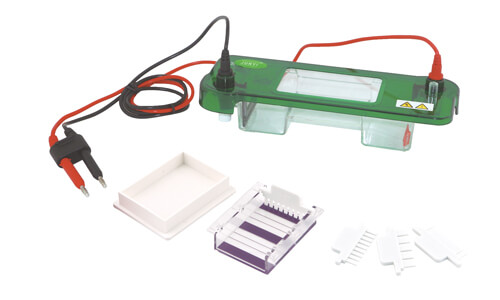
How to Choose Horizontal Electrophoresis Models with Energy Sustainability in Mind
In the current landscape of laboratory practices, the emphasis on energy sustainability and reducing environmental footprints has become paramount. This is particularly relevant when selecting horizontal electrophoresis equipment. Horizontal electrophoresis models are essential in genetic analysis and molecular biology, and they can also be a significant part of a laboratory's sustainability efforts. Understanding the features, specifications, and operational efficiencies of various models is crucial for laboratory professionals aiming to make informed purchasing decisions.
Understanding Horizontal Electrophoresis and Its Role in Sustainability
Horizontal electrophoresis is a widely used technique for separating nucleic acids and proteins. The choice of the electrophoresis model significantly impacts energy consumption, reagent usage, and overall environmental friendliness. Laboratories are increasingly tasked with minimizing their ecological footprint while maintaining high standards of accuracy and efficiency. By selecting models designed with energy sustainability in mind, labs can achieve compliance with environmental regulations while optimizing operational costs.
Comparison of Available Models
| Model | Sample Volume (ml) | Buffer Volume (ml) | Dimensions (mm) | Weight (Kg) | Price (USD) |
|---|---|---|---|---|---|
| YR03415 | 3, 5, 9 | ~150 | 250 x 90 x 50 | 0.4 | 81.00 |
| YR03416 | 10, 15 | ~400 | 365 x 105 x 55 | 0.6 | 136.80 |
| YR03417 | 3, 6, 8, 11, 13, 18, 25 | ~550 | 300 x 160 x 75 | 1.1 | 183.00 |
| YR03418 | 1, 2, 3, 6, 8, 14, 17, 29 | ~900 | 390 x 187 x 63 | 2.0 | 201.00 |
| YR03419 | 3, 5, 10, 15 | ~600 | 305 x 152 x 80 | 1.7 | 201.00 |
| YR03420 | 17, 22, 36, 44 | ~1800 | 397 x 230 x 93 | 3.3 | 330.60 |
Energy Efficiency and Environmental Impact of Horizontal Electrophoresis Models
Choosing energy-efficient models can dramatically reduce the energy consumption associated with horizontal electrophoresis. For instance, the YR03415 model, with its compact size and low buffer volume, minimizes energy usage during operation. In contrast, larger models such as the YR03420 may require higher buffer volumes but could be justified in terms of throughput and sample handling. Evaluating the energy consumption per run, typically measured in kWh, is essential for laboratories looking to decrease operational costs while adhering to sustainability goals.
Reducing Reagent Waste in Horizontal Electrophoresis
Another significant focus area for labs is the reduction of reagent waste. Models like the YR03415 and YR03416 offer smaller sample and buffer volumes, which can minimize reagent waste and overall laboratory costs. Implementing precise measurement techniques and protocols can further enhance waste reduction. Moreover, laboratories should consider the lifecycle assessment of reagents used, ensuring that they opt for those that are sustainably produced and packaged.
Lifecycle Assessment and Environmental Considerations
Conducting a lifecycle assessment (LCA) of electrophoresis models can help laboratories understand the total environmental impact of their equipment from production through to disposal. The YR series models, for instance, are designed for longevity and reduced environmental impact, making them an excellent choice for environmentally-conscious labs. Evaluating the materials used in construction and the energy required for production can also inform purchasing decisions.
Common Mistakes and How to Avoid Them
When selecting horizontal electrophoresis models, laboratories often make several common mistakes. One such error is focusing solely on initial purchase price rather than considering total cost of ownership, including energy costs and reagent consumption. Additionally, neglecting to evaluate how well a model fits within the sustainability goals of the lab can lead to misalignment with broader environmental objectives. Labs should prioritize models that offer a balance of performance, sustainability, and cost-effectiveness.
Frequently Asked Questions
What are the energy consumption levels of different horizontal electrophoresis models?
Energy consumption levels can vary significantly between models. For example, the YR03415 model utilizes lower buffer volumes and sample loads, resulting in reduced energy use per run. In contrast, larger models may consume more energy but offer higher throughput, impacting overall operational efficiency.
How does reagent usage differ among horizontal electrophoresis models?
Reagent usage differs by model due to variations in sample and buffer volumes. The YR03415 model, for example, uses less buffer and sample volume compared to models like the YR03420, which has a larger capacity and may lead to higher reagent consumption during runs.
Which horizontal electrophoresis model is best for reducing environmental impact?
Models designed with sustainability features, such as the YR03415 and YR03416, are excellent choices for reducing environmental impact due to their lower buffer and sample requirements, promoting less reagent waste and energy consumption.
What factors should be considered for compliance with environmental standards?
When selecting horizontal electrophoresis models, consider energy efficiency ratings, material sustainability, and the ability to minimize waste. Choosing models like the YR03418 that incorporate sustainable practices can aid in compliance with environmental standards.
How can I integrate sustainability into my laboratory's electrophoresis practices?
Integrating sustainability involves selecting energy-efficient models, such as the YR03419, adopting precise reagent measurement, and employing best practices for waste reduction. Implementing these strategies can significantly enhance a lab’s sustainability profile.
What is the expected lifespan of horizontal electrophoresis models?
The expected lifespan of models like the YR03420 can be extensive if maintained properly, often exceeding 5-10 years. This longevity contributes to sustainability by reducing the need for frequent replacements and minimizing waste.
How can I track the energy efficiency of my electrophoresis equipment?
Tracking energy efficiency can be done by monitoring the kWh used per run and keeping detailed records of reagent consumption. Tools and software solutions can help analyze data from models such as the YR03416 to identify trends and areas for improvement.
What certifications should I look for in sustainable electrophoresis models?
Look for certifications such as ENERGY STAR and EPEAT when selecting horizontal electrophoresis models. These certifications indicate that the equipment meets specific energy efficiency and environmental standards, contributing to overall sustainability efforts.
If you are looking for a fusion of innovation and quality, you have come to the right place. At Kalstein, we offer you the luxury of exploring our exclusive catalog of laboratory equipment. We manufacture every device to the highest standards of excellence. Our intuitive and seamless online purchasing channels are designed for your convenience, securing the most competitive prices. Hesitate no longer — we bring science to life, it is time to become part of our community.