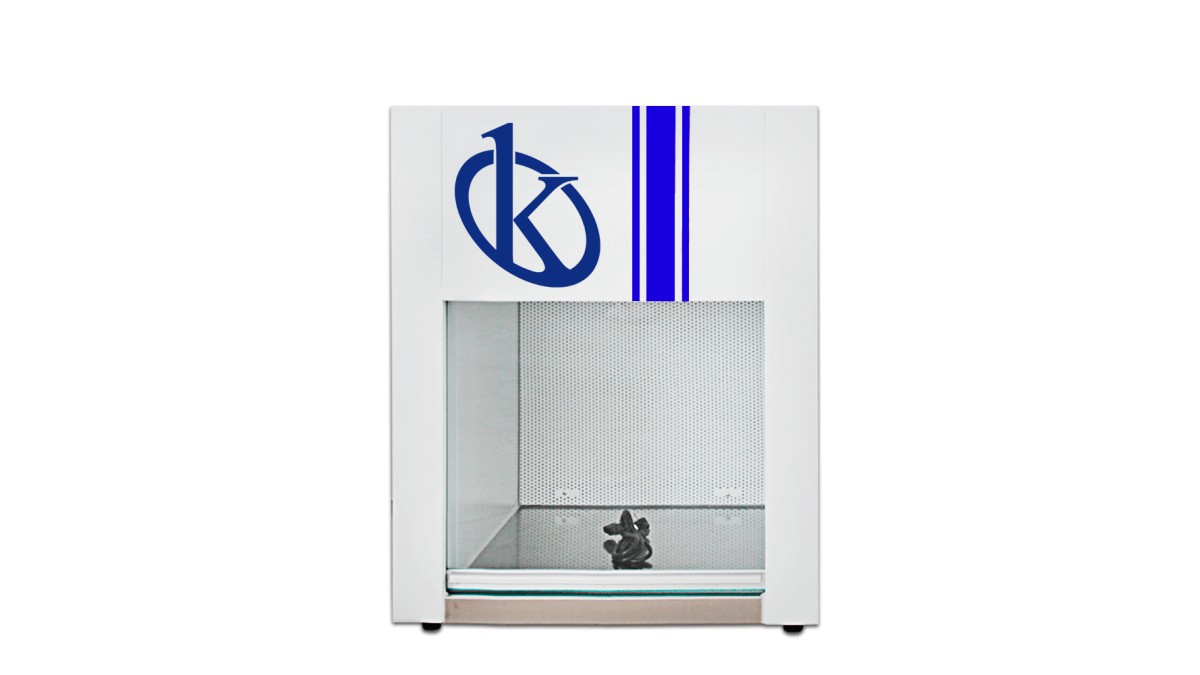
Horizontal Laminar Flow Clean Bench: Common Errors and How to Avoid Them in Daily Operation 2026
Laboratory professionals rely heavily on Horizontal Laminar Flow Clean Benches for maintaining a sterile environment. However, operational errors can compromise results and workflows. In this article, we will explore the significance of these clean benches in 2026, their history, how to use them effectively, and common mistakes to avoid.
What is it used for in 2026
In 2026, Horizontal Laminar Flow Clean Benches are critical in laboratories across various fields, including biomedical research, pharmaceutical development, and microbiology. They provide a sterile working environment by filtering the air, ensuring that no contaminants affect sensitive samples or processes. Their applications range from cell culture work to the preparation of sterile products.
History and evolution of the technology
The concept of laminar flow technology dates back to the 1960s when it was introduced as a way to control airborne contaminants in laboratory settings. Over the years, advancements have led to enhanced filtration systems, improved materials, and design innovations that optimize performance. The introduction of HEPA filters significantly increased the efficiency of these clean benches, making them indispensable in modern laboratories.
How to use it step by step
Using a Horizontal Laminar Flow Clean Bench involves several key steps:
- Preparation: Ensure that the bench is clean and that all necessary materials are available.
- Power On: Switch on the clean bench and allow it to run for at least 15-30 minutes before use to ensure proper airflow.
- Arrange Materials: Place all materials needed for the procedure inside the clean bench without overcrowding.
- Maintain Airflow: Avoid blocking the airflow vents to maintain an even distribution of clean air.
- Conduct Work: Perform your tasks within the bench while following aseptic techniques.
- Cleanup: After completing the work, clean the surfaces with appropriate disinfectants.
Best techniques and protocols
To maximize the efficiency of Horizontal Laminar Flow Clean Benches, consider employing the following techniques:
- Aseptic Techniques: Always use sterile tools and minimize air exposure to samples.
- Regular Maintenance: Schedule routine checks and maintenance to ensure the filters and flow systems are functioning correctly.
- Training: Ensure all users are trained on proper operation and maintenance of the equipment.
- Workflow Optimization: Organize workflows to minimize time spent inside the clean bench.
Practical applications by laboratory type
Different laboratories apply Horizontal Laminar Flow Clean Benches in various ways:
- Biomedical Laboratories: For cell culture and tissue engineering.
- Pharmaceutical Industries: In the production of injectable medications and sterile compounds.
- Microbiology Labs: To cultivate microorganisms in a contamination-free environment.
- Research Facilities: For conducting sensitive experiments requiring sterile conditions.
Regulations, standards and certifications
Horizontal Laminar Flow Clean Benches must comply with industry regulations and standards to ensure safety and efficacy. Key standards include:
- ISO 14644 for cleanroom cleanliness.
- FDA regulations for pharmaceutical manufacturing.
- EN 12469 for microbiological safety cabinets.
- US Federal Standard 209E for air cleanliness.
Comparison with alternative technologies
While Horizontal Laminar Flow Clean Benches are effective, alternative technologies such as Biological Safety Cabinets (BSCs) and HEPA-filtered enclosures offer specific advantages. BSCs provide protection against airborne pathogens, while horizontal flow clean benches focus solely on protecting the product. The choice between these systems often depends on the specific requirements of the laboratory tasks being performed.
Comparison of available models
| Model | Best for | Key specs | Recommended use case |
|---|---|---|---|
| YR05723 | Biomedical research, Cell culture | Class 100, 0.25-0.45 m/s airflow, 220V | Small-scale experiments requiring sterile conditions |
| YR05724 | Pharmaceutical preparations | Class 100, 0.25-0.45 m/s airflow, 220V | Preparation of injectable compounds |
| YR05726 | Microbiology tasks | Class 100, 0.25-0.45 m/s airflow, 220V | Culturing microorganisms |
| YR05727 | General laboratory applications | Class 100, 0.25-0.45 m/s airflow, 220V | Varied applications in clean environments |
| YR05728 | Research applications | Class 100, 0.25-0.45 m/s airflow, 220V | Experimental setups requiring sterility |
| YR05729 | High-throughput laboratories | Class 100, 0.25-0.45 m/s airflow, 220V | Large-scale laboratory workflows |
Common mistakes and how to avoid them
Errors can compromise results when operating Horizontal Laminar Flow Clean Benches. Here are common mistakes and tips to avoid them:
- Overloading the Bench: Avoid overcrowding with materials to maintain airflow. Only bring necessary items.
- Neglecting Maintenance: Regularly check and replace filters to ensure optimal performance.
- Inadequate Training: Ensure all users are trained on proper techniques and protocols.
- Ignoring Airflow Patterns: Be aware of airflow patterns to prevent contamination; keep materials away from vents.
Maintenance, calibration and good practices 2026
To keep Horizontal Laminar Flow Clean Benches operating effectively:
- Regular Cleaning: Disinfect surfaces regularly and adhere to a cleaning schedule.
- Calibration: Perform regular calibration of airflow and UV light systems to meet standards.
- Record-Keeping: Maintain logs of maintenance and calibration activities for compliance.
- Follow Manufacturer Guidelines: Always refer to the user manual for specific maintenance requirements.
Cost-benefit analysis 2026
Investing in Horizontal Laminar Flow Clean Benches can yield significant benefits: helping to ensure product sterility and improving the accuracy of experimental results. The operational costs can be justified by increased productivity and reduced contamination rates. Considering the high stakes in laboratory environments, the investment in quality clean benches is essential for long-term success.
Frequently asked questions
What types of materials can I use inside a Horizontal Laminar Flow Clean Bench?
Materials such as sterile glassware, pipettes, and reagents are recommended. Ensure all items are pre-cleaned and disinfected before entering the clean area.
How often should I replace the filters in my clean bench?
Filter replacement frequency depends on usage, but it is generally advisable to check or replace them every 6-12 months or as indicated by the manufacturer.
Can I use a Horizontal Laminar Flow Clean Bench for working with hazardous materials?
No, Horizontal Laminar Flow Clean Benches are not designed for hazardous materials. For such applications, a Biological Safety Cabinet is recommended for protection against exposure.
What is the recommended air velocity for optimal performance?
The optimal air velocity for Horizontal Laminar Flow Clean Benches is typically between 0.25 to 0.45 m/s, balancing effective air filtration and laminar flow.
How can I ensure that my clean bench maintains its performance over time?
Conduct regular maintenance, adhere to a strict cleaning schedule, and ensure that all users are trained on proper usage to maintain performance.
Is it necessary to have a UV lamp in my clean bench?
While not mandatory, a UV lamp can enhance sterilization between uses. Regularly check its function and replace as needed.
Where can I request a quote for Horizontal Laminar Flow Clean Benches?
You can request a quote by contacting our team for personalized assistance in selecting the best model for your needs.
If you are looking for a fusion of innovation and quality, you have come to the right place. At Kalstein, we offer you the luxury of exploring our exclusive catalog of laboratory equipment. We manufacture every device to the highest standards of excellence. Our intuitive and seamless online purchasing channels are designed for your convenience, securing the most competitive prices. Hesitate no longer — we bring science to life, it is time to become part of our community.