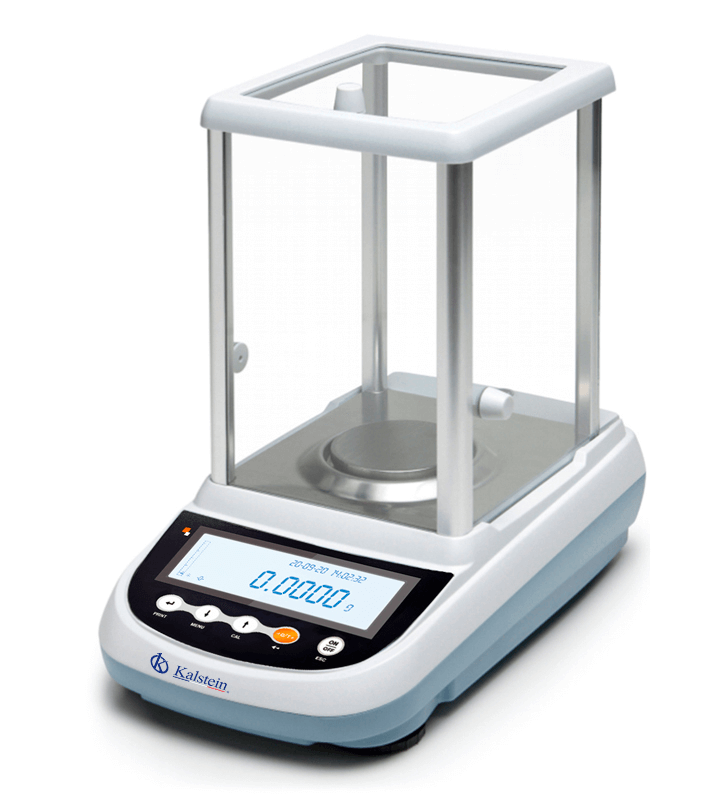
How Analytical Balances Support University Research Projects
In the realm of academic research, precise measurement is crucial. Analytical balances play a pivotal role in ensuring that experiments yield reliable data. This article examines various analytical balances and their applications in university settings, focusing on their specifications, use cases, and the importance of accuracy in research. By understanding how different models can cater to specific university research needs, laboratories can make informed decisions on their equipment investment.
Understanding Analytical Balances in Academic Research
Analytical balances are essential instruments in laboratories, particularly in academic settings where precision is of utmost importance. These balances offer high-resolution measurements that are critical for experiments in chemistry, biology, and materials science. Researchers can use analytical balances to measure small quantities of substances with great accuracy, contributing to the overall success of their research projects.
Comparison of Available Models
| Model | Capacity (g) | Resolution (g) | Price (USD) | Best Use Case |
|---|---|---|---|---|
| YR05568 | 220 | 0.1 mg | 790.00 | General laboratory use |
| YR05569 | 310 | 0.1 mg | 825.00 | Higher capacity needs |
| YR05570 | 410 | 0.1 mg | 1080.00 | Precise chemical analysis |
| YR05571 | 510 | 0.1 mg | 1125.00 | Complex research applications |
| YR05572 | 610 | 0.1 mg | 1240.00 | High-volume testing |
| YR05573 | 100 | 0.0001 g | 325.00 | High precision tasks |
Leveraging Analytical Balances for Accurate Research Outcomes
In university labs, where reproducibility and precision are non-negotiable, the choice of analytical balance can make or break an experiment. Models like the YR05570 and YR05571 are engineered for high precision and stability, ensuring that even the smallest measurements are reliable. These balances feature automatic internal calibration, which is essential for maintaining accuracy over time, especially in experiments requiring strict adherence to protocols.
Application Scenarios in University Research
Analytical balances are utilized in various capacities across academic research projects. For instance, in chemistry departments, these instruments are vital for preparing reagent solutions, where precise weights can significantly impact the outcome of reactions. Similarly, in biology, the YR05573 model's ability to measure in micrograms allows researchers to handle sensitive biological samples without risk of contamination or measurement error.
Common Mistakes and How to Avoid Them
When using analytical balances, precision is paramount. Common mistakes include failing to calibrate regularly, placing items directly on the balance pan without a container, and not accounting for environmental factors such as air currents or vibrations. To avoid these pitfalls, laboratories should establish a routine calibration schedule, utilize appropriate weighing containers, and position balances in a controlled environment to mitigate external disturbances.
Integrating Analytical Balances into University Curricula
Universities can enhance their curricula by incorporating the use of analytical balances in practical lab sessions. By teaching students how to operate these instruments correctly and interpret their measurements, institutions can prepare future scientists to conduct rigorous research. Moreover, the inclusion of modern models, such as YR05572, can facilitate discussions on the importance of technological advancements in laboratory settings.
Evaluating Cost Efficiency for Laboratory Purchases
Investing in an analytical balance is a significant financial decision for university labs. It is essential to evaluate each model's cost against its capabilities and expected lifespan. For example, while the YR05568 is priced at $790, its versatility for general laboratory use may provide better long-term value compared to lower-priced alternatives that may lack accuracy or durability.
Frequently Asked Questions
What are the key features to look for in an analytical balance for university research?
When selecting an analytical balance, consider capacity, resolution, calibration features, and user interface. Models like the YR05571 offer high capacity and precision, making them ideal for complex university research applications. Additionally, ensure that the balance has a good repeatability rate and ease of use for students and researchers.
How can I ensure the accuracy of my analytical balance?
To maintain accuracy, perform routine calibrations and use the balance in stable environmental conditions. Models like the YR05572 automatically calibrate, which helps to ensure consistent performance. Regular maintenance checks and proper handling are also crucial in preserving measurement accuracy.
Which analytical balance model is best for biological research applications?
The YR05573 analytical balance is particularly suited for biological research due to its high precision and low minimum weight capacity. This model can measure small and delicate biological samples effectively, making it an excellent choice for university laboratories focused on life sciences.
What is the typical lifespan of an analytical balance in a university lab?
The lifespan of an analytical balance can vary based on usage and maintenance but typically ranges from 5 to 10 years. Models like the YR05568 are designed for durability and can provide reliable service when properly maintained, ensuring longevity in university settings.
How do I choose an analytical balance for my specific research needs?
Assess your research requirements in terms of capacity, precision, and environmental conditions. For example, the YR05570 balance is ideal for tasks requiring high precision, while the YR05569 offers a higher capacity for larger samples. Consider your budget and expected usage frequency when making your choice.
What environmental factors affect the performance of analytical balances?
Environmental factors such as temperature fluctuations, air currents, and vibrations can significantly impact the performance of analytical balances. Placing models like the YR05571 in a controlled environment and using draft shields can help mitigate these effects, ensuring accurate measurements in university labs.
How can I integrate analytical balances into student lab training effectively?
Incorporate hands-on training with analytical balances into laboratory courses, allowing students to learn proper techniques and protocols. Using models like the YR05572 can enhance the learning experience due to their user-friendly interfaces and automatic calibration features, making them suitable for educational environments.
What is the cost range for high-quality analytical balances for university labs?
The cost of high-quality analytical balances can range from $300 for entry-level models like the YR05573 to over $1200 for advanced models like the YR05572. It's essential to weigh the features and capabilities against the budget to find the best fit for your university lab's needs.
If you are looking for a fusion of innovation and quality, you have come to the right place. At Kalstein, we offer you the luxury of exploring our exclusive catalog of laboratory equipment. We manufacture every device to the highest standards of excellence. Our intuitive and seamless online purchasing channels are designed for your convenience, securing the most competitive prices. Hesitate no longer — we bring science to life, it is time to become part of our community.