How to Choose a Water Bath for Energy Sustainability and Environmental Footprint Reduction
In today's laboratory environment, the need for energy sustainability and reducing the environmental footprint is of utmost importance. Water baths are pivotal in many laboratory processes, and their selection can significantly impact energy consumption and waste generation. This article aims to guide laboratory professionals in choosing water baths that align with sustainability goals while optimizing performance.
Understanding the Importance of Energy Sustainability in Laboratories
Energy sustainability in laboratories not only helps reduce costs but also contributes to environmental protection. Laboratories are significant consumers of energy, and the equipment used, such as water baths, can contribute to energy waste if not selected wisely. By choosing efficient models, laboratories can minimize their operational costs and environmental impact.
Factors to Consider for Water Baths to Enhance Sustainability
When selecting a water bath, several factors should be considered to enhance sustainability:
- Energy Efficiency: Look for models with lower power consumption and features like precise temperature control to reduce energy waste.
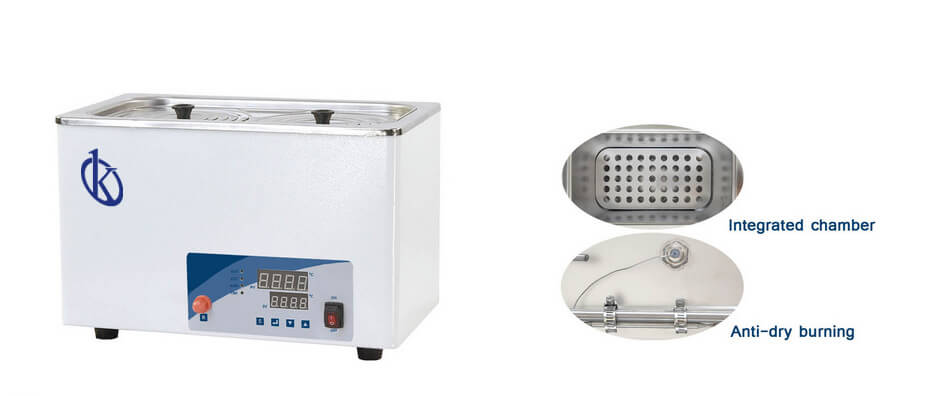
- Material Quality: Stainless steel construction, such as in the YR05073 and YR05074 models, provides durability and recyclability, reducing long-term waste.
- Temperature Range: Models with a wider temperature range allow for versatile applications, potentially reducing the need for multiple devices.
- Safety Features: Safety measures, including over-temperature alarms and dry combustion prevention, contribute to energy sustainability by preventing accidents that result in energy loss.
Comparison of Available Models
| Model | Power (W) | Temperature Range (°C) | Energy Efficiency Features | Best For |
|---|---|---|---|---|
| YR05073 | 800 | RT +5~100 | PID control, stainless steel | General lab applications |
| YR05074 | 1200 | RT +5~100 | PID control, durable materials | Higher capacity needs |
| YR030L | 600 | RT~100 | High precision control, low noise | Biological applications |
| YR05001 | 3300 | -35 to 200 | Digital control, low energy consumption | Chemical reactors |
| YR05002 | 6000 | -35 to 200 | Advanced safety features | High-performance labs |
| YR05003 | 8400 | -35 to 200 | Efficient circulation system | Large-scale chemical processes |
Strategies for Reducing Environmental Footprint in Laboratory Settings
Reducing the environmental footprint requires a holistic approach. Consider adopting the following strategies:
- Implementing Energy Audits: Regular assessments can identify areas for energy savings.
- Choosing Efficient Equipment: Select water baths with advanced insulation and low energy consumption, like the YR030L, which features a low noise motor for efficient performance.
- Optimizing Usage: Schedule usage during off-peak hours to reduce energy costs.
- Recycling and Waste Management: Establish protocols for recycling materials and managing waste from laboratory activities.
Common Mistakes and How to Avoid Them
Many laboratories unknowingly contribute to energy waste and environmental impact due to common mistakes:
- Ignoring Energy Rating: Always check the energy efficiency rating of equipment before purchasing.
- Overlooking Maintenance: Regular maintenance is crucial to ensure efficiency; neglected equipment can waste energy.
- Underutilizing Technology: Employing technology such as digital controls can enhance precision and reduce waste.
- Failing to Train Staff: Ensure laboratory personnel are trained on sustainable practices and equipment usage.
Frequently Asked Questions
How can a water bath reduce energy consumption in a laboratory setting?
A water bath, like the YR05073 model, with PID control technology enhances energy efficiency by maintaining precise temperature ranges, thus preventing energy waste associated with overheating or overcooling.
What are the best practices for maintaining water baths to ensure sustainability?
Regular maintenance of models like YR05074 ensures they operate efficiently. This includes checking seals, calibrating temperature settings, and inspecting safety features to prevent energy loss.
What specifications should I look for in a water bath for environmental compliance?
Look for features such as low power consumption, durable materials like stainless steel in the YR05073, and advanced controls that minimize energy waste while meeting compliance standards.
How does the temperature range of a water bath influence energy efficiency?
A wider temperature range, as offered by the YR05001, allows for more versatile applications, reducing the need for multiple units and thus lowering overall energy consumption in the lab.
What role does material quality play in the sustainability of laboratory equipment?
High-quality materials, such as those in the YR05074 water bath, enhance durability and recyclability, contributing to a reduction in environmental impact through less frequent equipment replacement.
What energy-efficient features should I consider in a water bath for chemical applications?
Consider models like YR05003, which feature a closed circulation system and digital controls, ensuring accurate temperature management and lower energy usage during chemical experiments.
If you are looking for a fusion of innovation and quality, you have come to the right place. At Kalstein, we offer you the luxury of exploring our exclusive catalog of laboratory equipment. We manufacture every device to the highest standards of excellence. Our intuitive and seamless online purchasing channels are designed for your convenience, securing the most competitive prices. Hesitate no longer — we bring science to life, it is time to become part of our community.