Ice Machines: Practical Applications and Techniques 2026
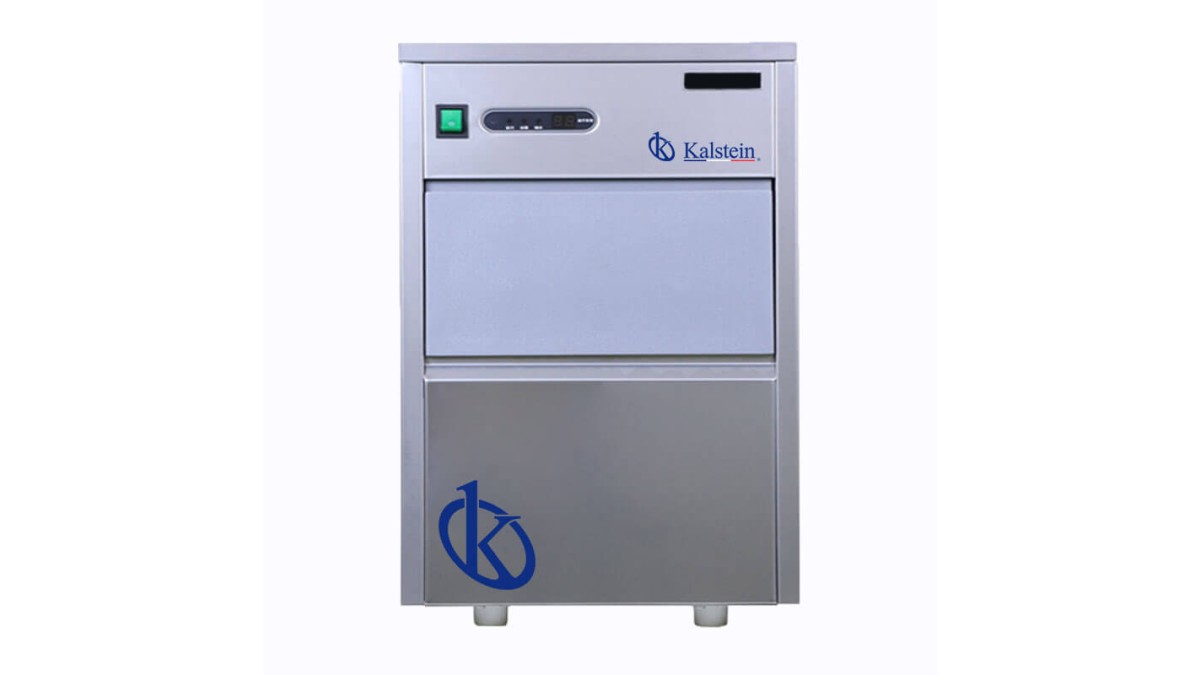
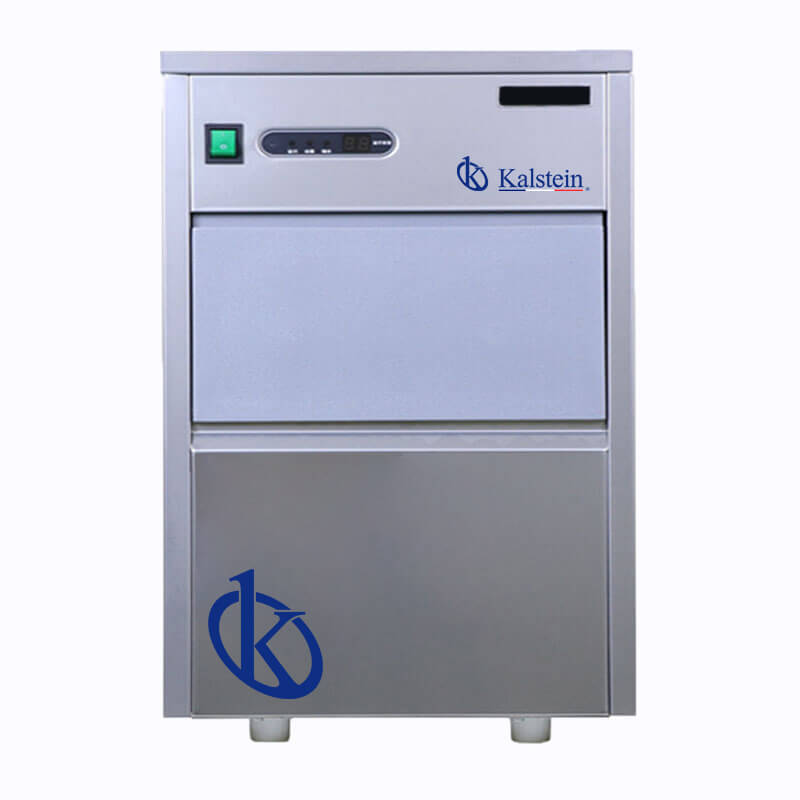
Ice machines are essential tools in various laboratory settings, playing a crucial role in research, biotechnology, and academic institutions. In 2026, their applications have expanded significantly, accompanied by advancements in technology that enhance their functionality and efficiency. This article delves into the multifaceted uses of ice machines, historical evolution, best practices for usage, and much more.
What is it used for in 2026
In 2026, ice machines are utilized extensively across different laboratory types. Their primary functions include:
- Sample Preservation: Ice machines help maintain the integrity of biological samples, ensuring that temperatures remain stable during storage and transport.
- Reagents Cooling: They are used to cool various reagents, especially in chemical reactions where temperature control is critical.
- Research Applications: In research settings, ice machines are vital for experiments that require immediate cooling or freezing of substances.
- Clinical Use: In medical laboratories, ice machines provide essential cooling for diagnostics and sample testing.
History and evolution of the technology
The evolution of ice machine technology began in the early 20th century when simple mechanical cooling methods were introduced. Initially, these machines used toxic refrigerants, but advancements in technology have led to the adoption of safer, environmentally-friendly options like R134a refrigerant. Over the decades, ice machines have become more compact, energy-efficient, and user-friendly, adapting to the changing needs of laboratories and research facilities.
How to use it step by step
Using an ice machine effectively requires following these steps:
- Setup: Ensure the machine is placed on a level surface and connected to a suitable water supply.
- Power On: Turn on the machine and select the desired settings, including temperature and ice production duration.
- Monitor Cooling: Regularly check the temperature settings to ensure optimal cooling performance.
- Use Ice: Collect the ice produced for your intended application, ensuring to refill water as needed.
- Power Off: Once finished with the machine, turn it off and disconnect it from the power supply.
Best techniques and protocols
To maximize the effectiveness of ice machines, consider the following techniques and protocols:
- Regular Calibration: Periodically calibrate the machine to maintain accurate temperature controls.
- Cleaning: Clean the machine regularly to prevent contamination and ensure long-lasting operation.
- Ice Quality Checks: Regularly check the quality of ice produced; it should be clear and free from impurities.
Practical applications by laboratory type
Ice machines find application across various laboratory types, including:
- Educational Laboratories: Used for experiments requiring temperature control.
- Medical Laboratories: Essential for sample preservation and reagent testing.
- Research Facilities: Employed in experiments that necessitate immediate cooling.
Regulations, standards and certifications
Ice machines must comply with various safety and environmental regulations. Certifications such as CE marking and ISO standards ensure that the machines meet essential safety requirements and are manufactured under strict quality control protocols.
Comparison with alternative technologies
While ice machines are popular, alternative technologies exist, such as liquid nitrogen storage and refrigeration systems. Each has its pros and cons. Ice machines provide a more user-friendly and safer option, whereas liquid nitrogen systems are better suited for extremely low temperatures.
Comparison of available models
| Model | Best for | Key specs | Recommended use case |
|---|---|---|---|
| YR05130 | Educational and medical labs | 20 Kg / 24h, 10Kg storage | Basic sample cooling |
| YR05131 | High-quality shaved ice for labs | 30 Kg / 24h, 10Kg storage | Experimental cooling |
| YR05132 | Research facilities | 40 Kg / 24h, 15Kg storage | Advanced sample preservation |
| YR05133 | High-volume applications | 50 Kg / 24h, 15Kg storage | Clinical diagnostics |
| YR05134 | High-demand labs | 60 Kg / 24h, 25Kg storage | Batch processing |
| YR05135 | High-capacity cooling | 70 Kg / 24h, 25Kg storage | Research labs requiring high output |
Common mistakes and how to avoid them
Laboratory professionals often make several common mistakes when using ice machines:
- Ignoring Maintenance: Regular maintenance is crucial for optimal performance.
- Overloading the Machine: Ensure not to exceed the recommended ice storage capacity.
- Using Contaminated Water: Always use clean, potable water for ice production.
Maintenance, calibration and good practices 2026
To ensure the longevity and performance of ice machines, follow these maintenance practices:
- Regular Cleaning: Clean the exterior and interior surfaces frequently.
- Periodic Calibration: Calibrate the machine to ensure temperature accuracy.
- Water Quality Testing: Test the water quality regularly to prevent contamination.
Cost-benefit analysis 2026
Investing in a high-quality ice machine is justified by the benefits it provides, including:
- Efficiency: High production rates reduce operational time.
- Quality Assurance: Consistent ice quality leads to more accurate experimental results.
- Long-term Savings: Energy-efficient models lower operational costs over time.
Frequently asked questions
What are the best practices for using an ice machine?
Follow the manufacturer’s guidelines, ensure regular maintenance, and always operate the machine in a clean environment.
How do I choose the right model for my laboratory?
Consider your laboratory's specific needs, including ice production capacity, storage requirements, and available space.
Can I use tap water in my ice machine?
Yes, tap water is generally acceptable, but it should be free from contaminants to ensure ice quality.
What is the average lifespan of an ice machine?
With proper maintenance, an ice machine can last anywhere from 5 to 10 years.
How often should I clean my ice machine?
It is advisable to clean your ice machine at least once a month or more frequently if used heavily.
What to do if my ice machine is not producing ice?
Check the power supply, ensure the water supply is connected, and inspect for any blockages or mechanical issues.
Where can I request a quote for an ice machine?
You can request a quote by contacting our sales department or visiting our online catalog.
If you are looking for a fusion of innovation and quality, you have come to the right place. At Kalstein, we offer you the luxury of exploring our exclusive catalog of laboratory equipment. We manufacture every device to the highest standards of excellence. Our intuitive and seamless online purchasing channels are designed for your convenience, securing the most competitive prices. Hesitate no longer — we bring science to life, it is time to become part of our community.