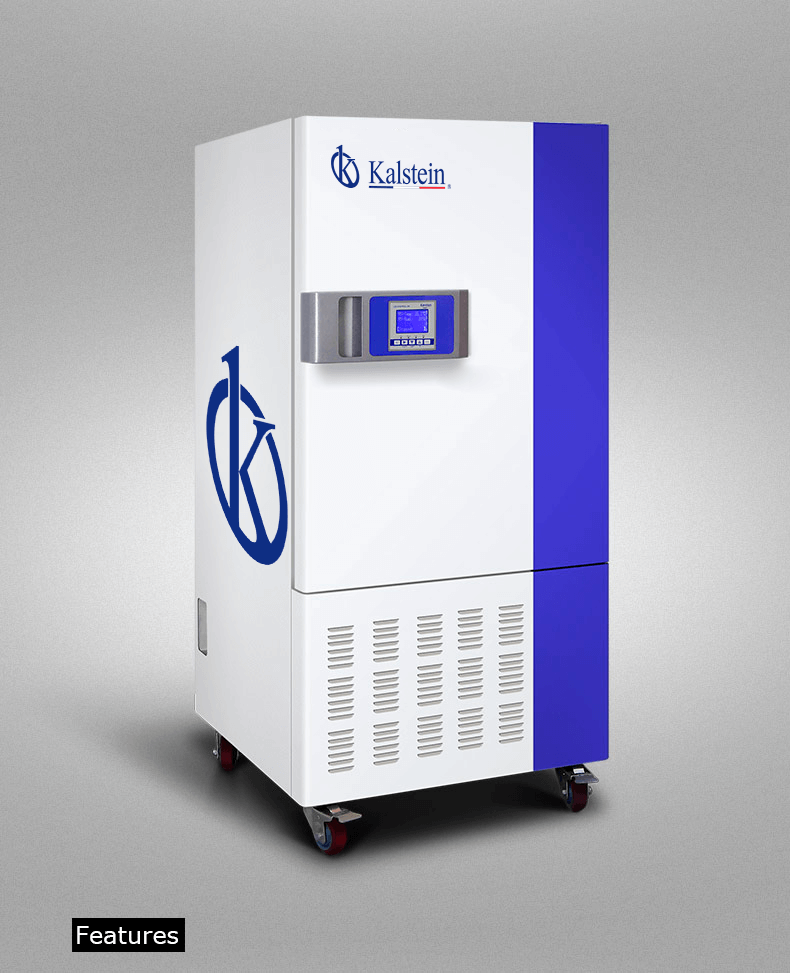
Application of Illumination Drug Stability Test Chambers in Academic Research Projects
Illumination Drug Stability Test Chambers play a crucial role in academic research, particularly in pharmaceutical studies. These chambers provide controlled environments for testing the stability of drug formulations under various lighting conditions. Understanding how to utilize these chambers effectively can lead to significant advancements in research outputs and findings.
Understanding Illumination Drug Stability Test Chambers
Illumination Drug Stability Test Chambers are designed to simulate light exposure conditions that pharmaceutical products may face throughout their lifecycle. These controlled environments help researchers understand the degradation patterns of active ingredients in response to light, essential for developing effective formulations. Their usage extends not only in laboratory settings but also in academic research projects, where reproducibility and accuracy are paramount.
Applications in University Research Projects
University research projects benefit significantly from the use of Illumination Drug Stability Test Chambers. These chambers support studies ranging from formulation stability assessments to the investigation of photostability of drug compounds. By incorporating these tools, researchers can ensure that their findings are robust and reliable, aiding in thesis-grade reproducibility.
Key Advantages for Academic Research
The key advantages of using Illumination Drug Stability Test Chambers in academic settings include:
- Controlled Environment: Precise regulation of temperature and light exposure, ensuring consistent results.
- Enhanced Data Quality: Facilitates high-quality research outcomes that can withstand scrutiny.
- Multiple Applications: Versatile for various types of drug formulations, supporting diverse research initiatives.
Comparison of Available Models
| Model | Price (USD) | Temperature Range (with light) | Illumination Range (LX) | Best For |
|---|---|---|---|---|
| YR05353 | 2620.00 | 10~65 ℃ | 0~6000 | Basic formulation stability tests |
| YR05353-1 | 3060.00 | 10~65 ℃ | 0~6000 | Long-term stability studies |
| YR05353-2 | 4200.00 | 10~65 ℃ | 0~6000 | Advanced research projects |
Common Mistakes and How to Avoid Them
When utilizing Illumination Drug Stability Test Chambers, researchers should be aware of common pitfalls to avoid. These include:
- Inadequate Calibration: Regularly calibrate the chambers to maintain accurate conditions.
- Overlooking Light Intensity: Ensure that the light intensity used in experiments accurately reflects real-world conditions.
- Lack of Documentation: Maintain thorough records of experiments to support reproducibility.
Frequently Asked Questions
How can I determine the best model of illumination drug stability test chambers for my research project?
Choosing the right model depends on your specific needs. For instance, the YR05353-2 is ideal for advanced research projects due to its comprehensive features and higher price point of $4200. Assessing your project's requirements will guide your decision.
What temperature range is supported by illumination drug stability test chambers for effective testing?
Most illumination drug stability test chambers, including the YR05353, support a temperature range of 10~65 ℃, which is crucial for testing under various conditions that mimic real-world scenarios.
Which illumination drug stability test chamber is best for long-term stability studies in academic research?
The YR05353-1 model is highly suitable for long-term stability studies, priced at $3060. It provides consistent illumination and temperature control necessary for accurate long-term testing.
How do illumination drug stability test chambers ensure reproducibility in research findings?
These chambers maintain strict environmental controls, such as temperature and light intensity, which are essential for reproducibility. Proper usage of models like YR05353 ensures that test conditions are replicable across experiments.
What are the key benefits of integrating illumination drug stability test chambers in university laboratories?
Integrating these chambers allows for high-quality research outcomes, enhanced reproducibility, and the ability to conduct diverse experiments. This integration is vital for academic institutions focused on pharmaceutical developments.
What protocols should I follow when using illumination drug stability test chambers?
Protocols should include regular calibration, proper documentation of experiments, and adherence to specified light intensity settings. Utilizing models like YR05353 can help standardize these protocols for better results.
How much does an illumination drug stability test chamber typically cost for academic research budgets?
Prices vary by model, with the YR05353 starting at $2620, making it a feasible option for academic budgets. When planning a purchase, consider both initial costs and long-term operational expenses.
What common mistakes should I avoid when conducting tests in illumination drug stability test chambers?
Common mistakes include neglecting to calibrate the chambers and using incorrect light intensities. Ensuring correct setup and documentation can significantly enhance the reliability of your results.
If you are looking for a fusion of innovation and quality, you have come to the right place. At Kalstein, we offer you the luxury of exploring our exclusive catalog of laboratory equipment. We manufacture every device to the highest standards of excellence. Our intuitive and seamless online purchasing channels are designed for your convenience, securing the most competitive prices. Hesitate no longer — we bring science to life, it is time to become part of our community.