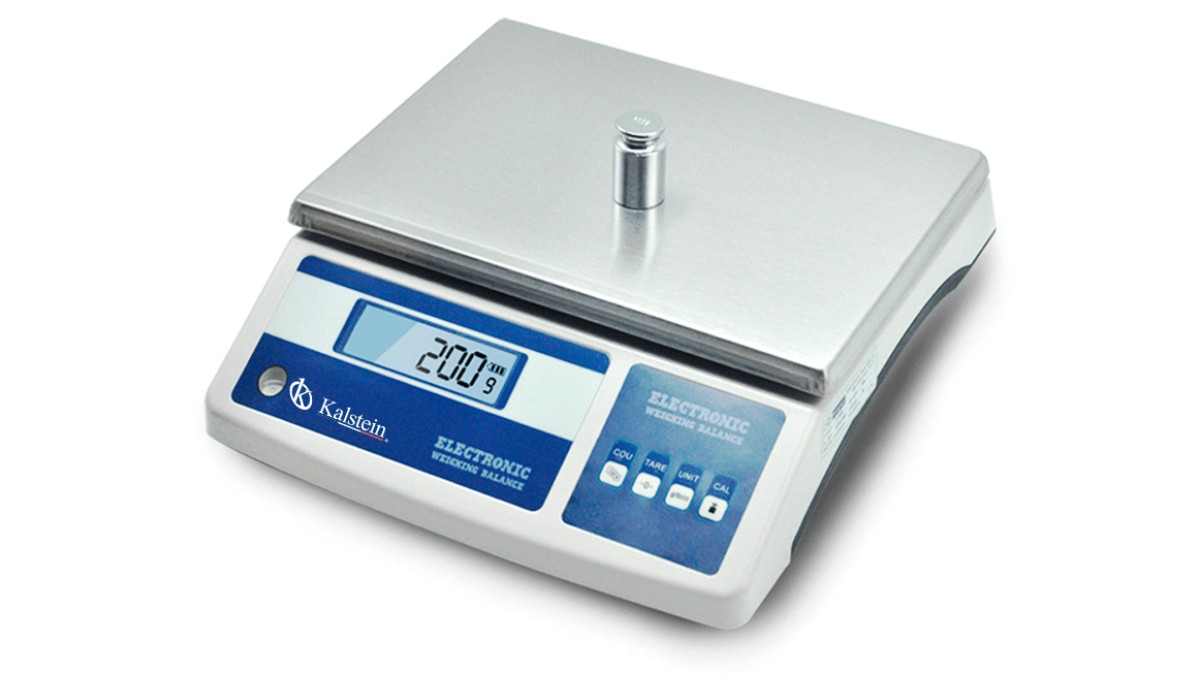
Industrial Balances: Applications in Research, Biotechnology, and Academia 2026
What is it used for in 2026
In 2026, industrial balances are critical tools in laboratory settings across various fields such as research, biotechnology, and academia. They are primarily used for precise weight measurements which are essential for formulating solutions, conducting experiments, and ensuring compliance with regulatory standards. Their applications extend to the analysis of chemical compounds, the preparation of samples for testing, and quality control processes in manufacturing environments.
History and evolution of the technology
The technology behind industrial balances has evolved significantly from ancient balance scales to today's sophisticated electronic devices. Initially, balances relied on mechanical principles, using levers and weights. The introduction of electronic balances in the late 20th century enhanced precision and ease of use. Modern industrial balances now feature advanced digital displays, automatic calibration, and connectivity options, making them indispensable in laboratories.
How to use it step by step
Using an industrial balance requires following specific steps to ensure accuracy and reliability. Here’s a step-by-step guide:
- Preparation: Ensure the balance is clean, calibrated, and placed on a stable surface away from drafts and vibrations.
- Power On: Turn on the balance and allow it to warm up for a few minutes.
- Calibration: Perform calibration according to the manufacturer’s instructions, using certified weights.
- Tare the Balance: Place a container on the balance and press the tare button to zero the scale.
- Weighing: Add the sample to the container and record the weight displayed.
- Data Management: If applicable, send the data to a connected device or software for record-keeping.
- Clean Up: After use, clean the balance surface to remove any residues.
Best techniques and protocols
To achieve optimal results when using industrial balances, it is essential to follow best practices. These include:
- Regularly calibrating the balance to maintain accuracy.
- Avoiding temperature fluctuations around the balance.
- Using draft shields when available to minimize air currents.
- Conducting measurements in a controlled environment to reduce error.
Practical applications by laboratory type
Industrial balances serve a variety of applications based on the laboratory type:
- Research Laboratories: Used for sample preparation and chemical analysis.
- Biotechnology Labs: Essential for creating samples and formulations with precise component weights.
- Academic Institutions: Employed in teaching environments for practical demonstrations of measurement techniques.
Regulations, standards and certifications
Adhering to regulations and standards is paramount in the use of industrial balances. Organizations like ISO (International Organization for Standardization) and ASTM (American Society for Testing and Materials) provide guidelines that help ensure reliable and reproducible measurements. Compliance with Good Laboratory Practices (GLP) is also crucial in maintaining quality and consistency.
Comparison with alternative technologies
While industrial balances are widely used, alternative technologies such as analytical balances and load cells exist. Analytical balances offer higher precision but are generally more costly and sensitive to environmental factors. Load cells are versatile and can be used in various applications, yet they may not provide the same level of accuracy as industrial balances in laboratory contexts.
Comparison of available models
| Model | Best for | Key specs | Recommended use case |
|---|---|---|---|
| YR05606 | General industrial applications | Capacity: 11kg, Readability: 1g | Ideal for laboratory experiments requiring moderate weight measurements. |
| YR05607 | Higher capacity needs | Capacity: 16kg, Readability: 1g | Best for weighing larger samples in industrial settings. |
| YR05608 | Heavy-duty applications | Capacity: 21kg, Readability: 1g | Suitable for heavy materials and bulk components in manufacturing. |
| YR05609 | Industrial testing | Capacity: 31kg, Readability: 1g | Ideal for quality control processes in production lines. |
| YR05610 | Precise measurements | Capacity: 5.1kg, Readability: 0.1g | Recommended for applications requiring high precision measurement. |
| YR05611 | Versatile laboratory use | Capacity: 11kg, Readability: 0.1g | Suitable for regular laboratory measurements and experiments. |
| YR05612 | Advanced applications | Capacity: 16kg, Readability: 0.1g | Best for specific scientific studies requiring accurate weights. |
| YR05613 | High precision | Capacity: 21kg, Readability: 0.1g | Used in research settings for precise measurements. |
| YR05614 | Heavy materials | Capacity: 26kg, Readability: 0.1g | Ideal for weighing large components in industrial applications. |
Common mistakes and how to avoid them
Common mistakes when using industrial balances can lead to inaccurate measurements. Here are some pitfalls and tips to avoid them:
- Skipping Calibration: Always calibrate before use to ensure accuracy.
- Ignoring Environmental Factors: Ensure the balance is in a stable environment away from drafts, vibrations, and heat sources.
- Piling Samples: Avoid overloading the balance. Measure in increments if necessary.
Maintenance, calibration and good practices 2026
To ensure longevity and performance, industrial balances require regular maintenance and calibration. Follow these practices:
- Clean the balance surface with appropriate materials after each use.
- Schedule calibration checks at regular intervals as per manufacturer recommendations.
- Store the balance in a protective cover when not in use to prevent dust accumulation.
Cost-benefit analysis 2026
Investing in an industrial balance involves weighing the initial cost against its long-term benefits. These balances improve efficiency, accuracy, and compliance with regulations, reducing errors in measurements. While the upfront costs may vary based on capacity and features, the potential for enhanced productivity and reduced waste can lead to significant savings over time.
Frequently asked questions
What factors should I consider when choosing an industrial balance?
Consider factors like the required capacity, readability, and the specific applications you need it for. Evaluate the environment where it will be used and ensure it meets any relevant standards.
How often should I calibrate my industrial balance?
It is recommended to calibrate your balance at least once a year, but more frequent calibration may be necessary depending on usage and environmental conditions.
Can industrial balances be used for weighing liquids?
Yes, industrial balances can weigh liquids when used with appropriate containers. Ensure the container is tared before adding the liquid.
What is the difference between an industrial balance and an analytical balance?
Industrial balances are designed for general weighing tasks and may have a lower precision, while analytical balances are more sensitive and provide higher accuracy, suitable for laboratory settings.
How should I clean my industrial balance?
Use a soft cloth and appropriate cleaning agents to wipe down the balance surface. Avoid using harsh chemicals that could damage electronic components.
Are there any special storage requirements for industrial balances?
Store the balance in a cool, dry place and cover it to protect against dust when not in use. Avoid storing it in areas with extreme temperatures or humidity.
Where can I find more information or request a quote for an industrial balance?
You can request a quote for industrial balances and find more information by contacting our sales team or visiting our catalog.
If you are looking for a fusion of innovation and quality, you have come to the right place. At Kalstein, we offer you the luxury of exploring our exclusive catalog of laboratory equipment. We manufacture every device to the highest standards of excellence. Our intuitive and seamless online purchasing channels are designed for your convenience, securing the most competitive prices. Hesitate no longer — we bring science to life, it is time to become part of our community.