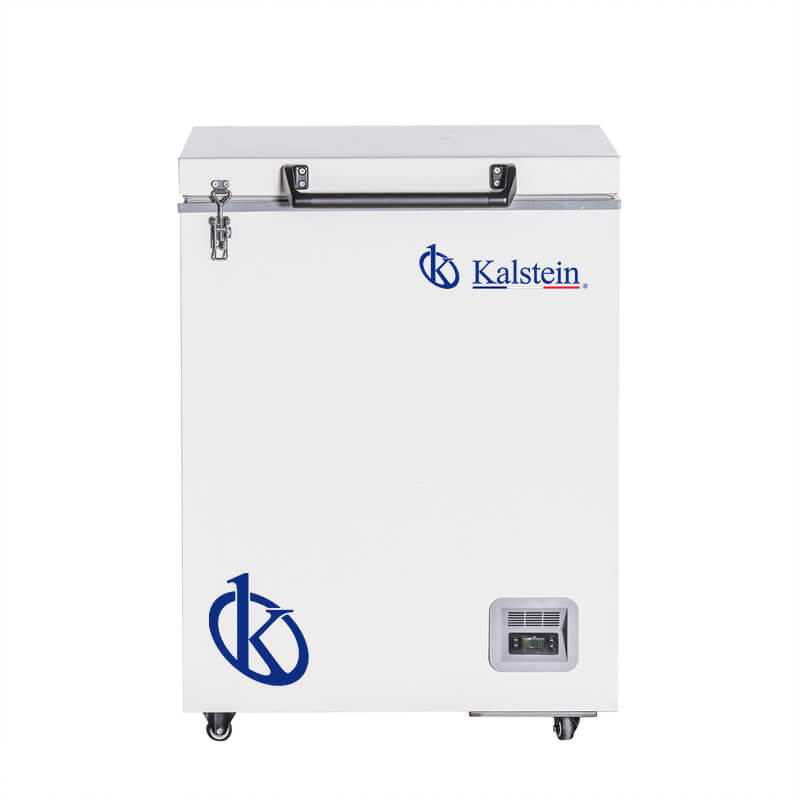
How to Integrate Chest Freezers with LIMS for Data Flow Digitalization?
The integration of chest freezers with Laboratory Information Management Systems (LIMS) is crucial for modern laboratory operations. This integration not only aids in the digitalization of data flows but also enhances workflow efficiency, compliance, and data traceability. In this article, we will explore various models of chest freezers, their specifications, and how they can be integrated with LIMS to improve laboratory practices.
Understanding the Role of Chest Freezers in Laboratories
Chest freezers are essential for preserving biological samples, chemicals, and reagents at low temperatures. They are specifically designed to maintain stable temperature ranges, which are critical in laboratory settings. With the ongoing digital transformation, integrating these freezers with LIMS facilitates seamless data management, tracking, and reporting.
Comparison of Available Models
| Model | Temperature Range (°C) | Power Consumption (kWh/24h) | Noise Level (dB) | Best For |
|---|---|---|---|---|
| YR05102 | -40 to -10 | 1.65 | 50 | Standard laboratory storage |
| YR05103 | -40 to -10 | 1.68 | 52 | Research labs with moderate storage needs |
| YR05104 | -40 to -20 | 3.45 | 55 | Higher capacity labs needing deep freezing |
| YR05314 | -86 | 11.5 | 54.5 | Ultra-low temperature storage |
| YR05313 | -86 | 3.8 | 50 | Small labs needing ultralow storage |
| YR05315 | -60 to -25 | 3.2 | 53 | Biomedical applications |
Integration Protocols for LIMS and Chest Freezers
Integration protocols play a pivotal role in ensuring that chest freezers communicate effectively with LIMS. Various connectivity options are available, including standard protocols such as HL7 and ASTM. These protocols allow for bi-directional data flow, ensuring that temperature logs and alarm notifications are promptly recorded within the LIMS.
HL7 Protocol
HL7 is a set of international standards for the transfer of clinical and administrative data. When integrated with chest freezers like the YR05314, which operates at ultra-low temperatures, HL7 facilitates the automatic logging of temperature changes, alerts for temperature excursions, and data storage compliance.
ASTM Protocol
ASTM standards are critical for the interoperability of laboratory instruments. By using ASTM protocols, laboratories can ensure that data from chest freezers, such as the YR05102, is consistently formatted and easily accessible within the LIMS for analysis and reporting.
Data Management and Traceability
The incorporation of LIMS with chest freezers significantly enhances data traceability. Every sample stored in a freezer can be linked to specific data entries in the LIMS, including storage conditions, retrieval times, and user interactions. This traceability is essential for regulatory compliance and quality assurance in laboratories.
Benefits of Digitalization in Laboratory Data Flow
Digitalizing data flow through LIMS integration allows laboratories to enhance operational efficiency, reduce manual errors, and streamline processes. For instance, a laboratory using the YR05303 can set temperature alarms that automatically notify personnel via the LIMS system, minimizing risks associated with sample degradation.
Common Mistakes and How to Avoid Them
While integrating chest freezers with LIMS can offer numerous advantages, certain common mistakes can hinder the success of the implementation. Here are some pitfalls to avoid:
- Inadequate Planning: Failing to assess the specific needs of the laboratory can lead to choosing incompatible systems.
- Poor Training: Not training staff on how to use the integrated system effectively can result in errors and inefficiencies.
- Neglecting Data Security: Ensure that data privacy and security measures are put in place to protect sensitive information.
Frequently Asked Questions
How can LIMS integration improve temperature monitoring in chest freezers?
LIMS integration enables real-time temperature monitoring of chest freezers like the YR05314, which operates at ultra-low temperatures. This system automatically logs any deviations, ensuring compliance with storage standards and enhancing sample safety.
What are the key features of chest freezers that support LIMS integration?
Key features include digital displays, customizable alarm settings, and connectivity options like HL7 and ASTM, which are present in models such as YR05102, facilitating seamless data exchange with LIMS.
Which chest freezer model is best for biomedical applications with LIMS?
The YR05315 is ideal for biomedical applications due to its adjustable temperature range of -25°C to -60°C, and it integrates well with LIMS for reliable data management in laboratory settings.
What are the benefits of integrating chest freezers with LIMS for data integrity?
Integrating models like the YR05103 with LIMS enhances data integrity by ensuring that all temperature records and sample management data are accurately captured, reducing the risk of human error and improving compliance with regulatory standards.
How does the energy consumption of chest freezers impact laboratory operations?
Energy consumption affects operational costs; for instance, the YR05104 has a higher consumption rate of 3.45 kWh/24h. Understanding these metrics helps labs budget effectively and choose energy-efficient models for sustainability.
What protocols should be considered for effective LIMS integration with freezers?
Consider protocols like HL7 and ASTM, which are essential for ensuring compatibility and smooth data flow between the LIMS and freezer models such as YR05314, which can handle ultra-low temperatures effectively.
How do I ensure compliance with regulatory standards using LIMS and chest freezers?
To ensure compliance, select chest freezers featuring monitoring systems that log temperature and alarm records automatically, like the YR05313, and ensure that data is documented in the LIMS correctly, fulfilling all regulatory requirements.
What are the real-time monitoring capabilities of LIMS integrated with chest freezers?
Real-time monitoring capabilities allow for immediate alerts to temperature fluctuations in chest freezers like the YR05102, facilitating faster responses to potential issues and ensuring that samples remain within safe storage conditions.
If you are looking for a fusion of innovation and quality, you have come to the right place. At Kalstein, we offer you the luxury of exploring our exclusive catalog of laboratory equipment. We manufacture every device to the highest standards of excellence. Our intuitive and seamless online purchasing channels are designed for your convenience, securing the most competitive prices. Hesitate no longer — we bring science to life, it is time to become part of our community.