How to Integrate Constant Temperature and Humidity Incubators with LIMS for Data Digitalization
In the evolving landscape of laboratory research and clinical settings, the integration of Constant Temperature and Humidity Incubators with Laboratory Information Management Systems (LIMS) has gained significant attention. As laboratories focus on improving data management, enhancing efficiency, and complying with regulatory standards, understanding how to effectively integrate these systems becomes essential. This article delves into the specifics of LIMS integration and data digitalization related to Constant Temperature and Humidity Incubators, ensuring that practitioners can optimize their laboratory workflows.
Understanding Constant Temperature and Humidity Incubators
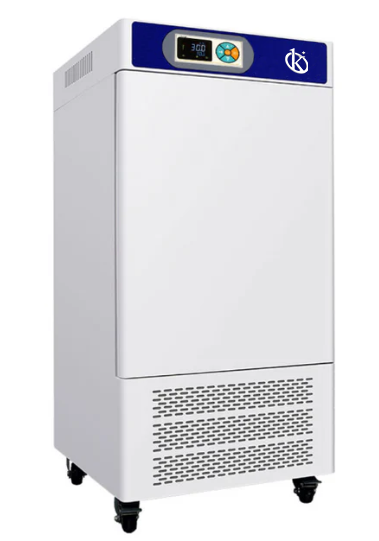
Constant Temperature and Humidity Incubators are specialized devices designed to maintain stable environmental conditions for various applications, including biological research, pharmaceuticals, and environmental testing. They are particularly critical for experiments requiring precise temperature and humidity control. Key features include automatic defrosting, double door design, and high-quality stainless steel interiors, making them suitable for diverse laboratory environments.
Benefits of LIMS Integration
Integrating Constant Temperature and Humidity Incubators with LIMS allows for enhanced data management, real-time monitoring, and improved traceability of samples. Automated data logging reduces human error, while seamless data transfer to LIMS ensures compliance with industry standards such as ISO 17025. This integration also aids in streamlining workflows, allowing laboratory personnel to focus on research rather than manual data entry.
Integration Protocols and Connectivity
When integrating Constant Temperature and Humidity Incubators with LIMS, understanding connectivity protocols is crucial. Common protocols include HL7, ASTM, and RESTful APIs. These protocols facilitate the exchange of information between incubators and LIMS, enabling features like remote monitoring and alerts for out-of-spec conditions. Organizations must evaluate their existing systems to ensure compatibility and optimal functionality.
Comparison of Available Models
| Model | Temperature Range (°C) | Power Consumption (kW) | Best For |
|---|---|---|---|
| YR02053 | 0 ~ 60 | 0.4 | Biological research and environmental testing |
| YR02054 | 0 ~ 60 | 0.6 | Pharmaceutical quality control |
| YR02055 | 0 ~ 60 | 0.8 | Advanced research in clinical labs |
Features of Each Incubator Model
Each model of Constant Temperature and Humidity Incubator provides unique features suitable for various laboratory applications. For instance, the YR02053 offers efficient energy consumption while maintaining a stable environment, making it ideal for biological research. The YR02054, with its higher power consumption, is designed for pharmaceutical applications where precision is paramount. The YR02055 caters to advanced clinical research with additional features for data logging and monitoring.
Common Mistakes and How to Avoid Them
Integration projects often face challenges that can be mitigated with careful planning. Common mistakes include inadequate testing of connectivity protocols, failure to assess data integrity before integration, and overlooking the training needs of laboratory personnel. To avoid these pitfalls, laboratories should conduct thorough compatibility assessments of their LIMS and incubators, ensure adequate training programs for staff, and implement a robust testing phase during the integration process.
Best Practices for Successful LIMS Integration
Implementing best practices can significantly enhance the success of LIMS integration with Constant Temperature and Humidity Incubators. Establishing clear communication channels among stakeholders, conducting regular audits of the integration process, and adopting a phased approach to implementation can lead to smoother transitions. Moreover, soliciting feedback from laboratory personnel can help fine-tune the integration and improve overall user satisfaction.
Frequently Asked Questions
What are the benefits of integrating constant temperature and humidity incubators with LIMS?
Integrating constant temperature and humidity incubators like the YR02053 with LIMS enhances data accuracy, automates reporting, and ensures compliance with standards such as ISO 17025. This leads to improved operational efficiency and reduced manual data entry errors.
How can I ensure data integrity during the LIMS integration process?
Data integrity can be ensured by conducting a thorough validation of data inputs, implementing rigorous testing protocols, and utilizing reliable connectivity options. Models such as YR02054 are designed to support data logging, which aids in maintaining integrity throughout the integration process.
What role do connectivity protocols play in LIMS integration?
Connectivity protocols like HL7 and REST are essential for seamless data exchange between constant temperature and humidity incubators and LIMS. These protocols facilitate real-time data monitoring and alerts, ensuring compliance and enhancing workflow efficiency.
How do constant temperature and humidity incubators support regulatory compliance?
Constant temperature and humidity incubators, such as the YR02055, support regulatory compliance by maintaining precise environmental conditions required for various tests. Integration with LIMS helps document conditions for audits, ensuring adherence to standards like ISO 17025.
What is the cost of a LIMS-integrated constant temperature and humidity incubator?
The cost varies based on the model and features. For instance, the YR02053 is priced around $1010, while more advanced models like YR02055 may cost up to $1430, depending on the integration requirements and capabilities.
How can I optimize laboratory workflows with LIMS and incubators?
Laboratory workflows can be optimized by integrating constant temperature and humidity incubators with LIMS to automate data entry, track sample conditions in real-time, and streamline reporting processes. This integration minimizes delays and enhances productivity.
What training is necessary for staff during LIMS implementation?
Staff training should cover system operation, data entry protocols, and troubleshooting. Training sessions should also focus on the specific features of the selected incubator models, ensuring personnel understand how to effectively utilize the integrated systems.
How do I choose the right model for my laboratory's needs?
Choosing the right model depends on your specific applications. For instance, if your focus is on biological research, the YR02053 might be best, while YR02054 is better suited for pharmaceuticals due to its higher stability requirements. Assessing your laboratory's specific needs will guide your decision.
If you are looking for a fusion of innovation and quality, you have come to the right place. At Kalstein, we offer you the luxury of exploring our exclusive catalog of laboratory equipment. We manufacture every device to the highest standards of excellence. Our intuitive and seamless online purchasing channels are designed for your convenience, securing the most competitive prices. Hesitate no longer — we bring science to life, it is time to become part of our community.