How to Integrate Digital Clinical Refractometers with LIMS for Data Workflow Optimization?
In the increasingly digital landscape of laboratory testing, the integration of equipment like digital clinical refractometers with Laboratory Information Management Systems (LIMS) is pivotal. This coherence not only boosts efficiency but also ensures accurate data handling and reporting. In this article, we will explore various models of digital clinical refractometers and how they can be effectively integrated into LIMS to streamline data workflows.
Understanding Digital Clinical Refractometers
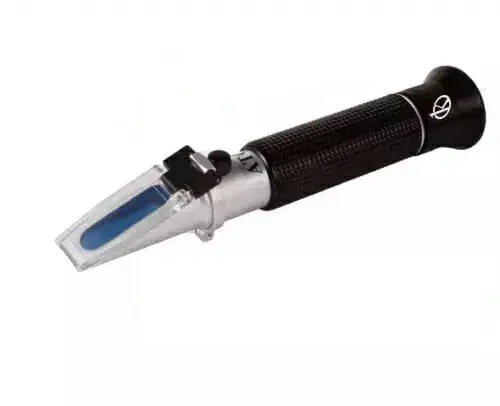
Digital clinical refractometers are essential tools in laboratories, particularly in veterinary and human clinical settings. These devices provide rapid and accurate measurements of vital liquid levels, crucial for various diagnostic tests. They come equipped with advanced features like Automatic Temperature Compensation (ATC), allowing for precise readings under varying temperature conditions. The integration of these refractometers with LIMS can lead to significant improvements in data management and workflow optimization.
Comparison of Available Models
| Model | Measurement Range | Precision | Best for |
|---|---|---|---|
| YR05915 | 0-12 g/dL, 1.000-1.050 SG | ±0.2 g/dL | Veterinary and human diagnostics |
| YR05966 | 1.000-1.050 SG | ±0.002 | Veterinary diagnostics |
| YR05967 | 0-12.1 g/dL | ±0.2 | Human serum protein analysis |
| YR05968 | 1.3330-1.3900 nD | ±0.0003 nD | Precision refractive index measurements |
Benefits of LIMS Integration
Integrating digital clinical refractometers with LIMS offers numerous advantages. It allows for automated data entry, reducing human errors and enhancing data accuracy. Furthermore, LIMS can facilitate real-time data analysis and reporting, enabling quicker decision-making and improving laboratory throughput. By leveraging the capabilities of LIMS, laboratories can also ensure compliance with regulatory standards, such as ISO 17025.
Connectivity Protocols for Integration
When integrating digital clinical refractometers with LIMS, selecting appropriate connectivity protocols is crucial. Common protocols include HL7, ASTM, and RESTful APIs, which enable seamless data transfer. These protocols help streamline communication between the refractometer and the LIMS, facilitating an efficient flow of information. For example, the YR05915 model can be configured to send measurement data directly to the LIMS using these protocols.
Data Sovereignty and Security
Data sovereignty is an important consideration when integrating refractometers with LIMS. Laboratories must ensure that patient data is stored and processed according to local regulations. Implementing robust data security measures, including encryption and access controls, is essential to safeguarding sensitive information. By choosing a LIMS that adheres to compliance standards, laboratories can enhance their data governance practices.
Common Mistakes and How to Avoid Them
One common mistake during integration is overlooking the need for proper training. Laboratory staff must be adequately trained on using both the refractometers and the LIMS to avoid operational issues. Additionally, failing to validate the integration process can lead to discrepancies in data reporting. Implementing a thorough validation plan can mitigate these risks and ensure a successful integration.
Case Studies on Successful Integration
Several laboratories have successfully integrated digital clinical refractometers with LIMS, leading to improved efficiency and accuracy. For instance, a veterinary clinic utilizing the YR05966 refractometer reported a 30% reduction in data entry errors after integrating with LIMS. Such case studies highlight the tangible benefits of this integration, reinforcing the importance of adopting modern solutions in laboratory workflows.
Frequently Asked Questions
What features should I look for in a digital clinical refractometer for LIMS integration?
When selecting a digital clinical refractometer for LIMS integration, look for models with Automatic Temperature Compensation, such as the YR05915. Ensure that the model supports standard connectivity protocols like HL7 and ASTM for seamless data transfer.
How can LIMS improve the accuracy of data collected from clinical refractometers?
LIMS improves data accuracy by automating data entry and reducing human errors. For example, integrating the YR05967 model with LIMS enables real-time data validation, ensuring that results meet precision standards.
What are the best practices for maintaining digital clinical refractometers in a LIMS environment?
Best practices include regular calibration of models like the YR05968, adherence to maintenance schedules, and ensuring that all software updates for LIMS are applied timely for optimal performance.
How do I ensure compliance when integrating refractometers with LIMS?
To ensure compliance, it is crucial to choose refractometers that meet ISO 17025 standards. Models like the YR05915 are designed for clinical use and help laboratories maintain compliance during testing.
What is the role of Automatic Temperature Compensation in refractometer integration with LIMS?
Automatic Temperature Compensation (ATC) ensures accurate measurements under varying conditions. This feature is crucial for LIMS data integrity, especially when using models like the YR05966 and YR05967 in varying environmental scenarios.
How can digital clinical refractometers enhance workflow efficiency in labs?
Digital clinical refractometers streamline workflows by providing rapid and accurate readings, as seen with the YR05968. When integrated with LIMS, they automate data collection, minimizing delays in reporting.
What are the typical costs associated with integrating digital refractometers into LIMS?
Costs can vary based on model and integration complexity. For instance, the YR05966 is priced at $76, while LIMS integration might involve additional software costs, typically leading to a total investment between $1,000 and $5,000 depending on the lab size.
If you are looking for a fusion of innovation and quality, you have come to the right place. At Kalstein, we offer you the luxury of exploring our exclusive catalog of laboratory equipment. We manufacture every device to the highest standards of excellence. Our intuitive and seamless online purchasing channels are designed for your convenience, securing the most competitive prices. Hesitate no longer — we bring science to life, it is time to become part of our community.