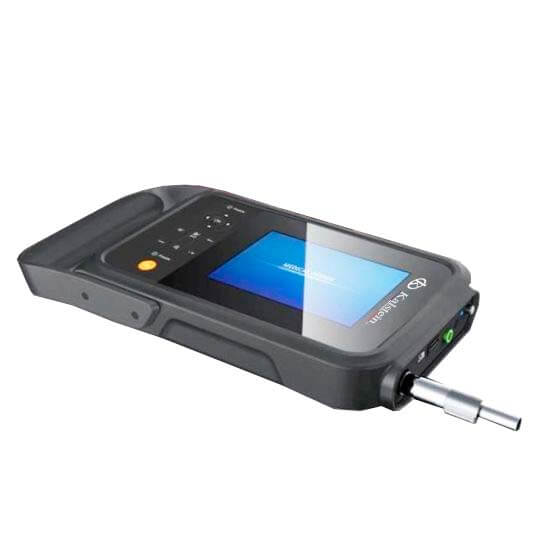
How to Integrate Ultrasonic Diagnostic Equipment with LIMS for Data Digitalization
The integration of ultrasonic diagnostic equipment with Laboratory Information Management Systems (LIMS) represents a significant advancement in laboratory data management. This integration enhances data digitalization, streamlining workflows, and improving operational efficiency. This article will explore various ultrasonic diagnostic devices, their specifications, and how they align with LIMS integration to optimize data handling processes.
Understanding Ultrasonic Diagnostic Equipment
Ultrasonic diagnostic equipment, primarily used for medical imaging, has evolved significantly. These devices enable non-invasive diagnostics, making them indispensable in veterinary and medical practices. Their capability to produce high-resolution images aids clinicians in making informed decisions quickly. Furthermore, integrating these devices with LIMS allows for enhanced data accuracy and accessibility, which is crucial for maintaining high standards of care.
Benefits of LIMS Integration
Integrating ultrasonic diagnostic equipment with LIMS offers several benefits, including improved data accuracy, better patient management, and streamlined workflows. The digitalization of data enables real-time access to patient results, enhancing collaboration among healthcare professionals. Additionally, this integration reduces manual data entry errors and increases overall efficiency, allowing staff to focus on patient care rather than administrative tasks.
Comparison of Available Models
| Model | Connectivity | Protocols Supported | Integration Effort | Best For |
|---|---|---|---|---|
| YR05146 | USB | HL7 | Moderate | Veterinary practices |
| YR05147 | USB | REST | Low | Obstetrics and gynecology |
| YR05154 | USB | ASTM | High | General diagnostics |
| YR05154-1 | Wi-Fi | HL7 | Low | Mobile use |
| YR05155 | USB | REST | Moderate | General diagnostics |
| YR05155-1 | Wi-Fi | ASTM | Low | Field applications |
LIMS Connectivity Protocols
Connectivity protocols play a crucial role in the integration of ultrasonic diagnostic equipment with LIMS. Common protocols include HL7, DICOM, and ASTM, which facilitate seamless data exchange between devices and laboratory information systems. Understanding these protocols is vital for ensuring that data flows smoothly, allowing healthcare providers to access patient information efficiently.
Data Management and Digitalization
Data management becomes significantly streamlined with the integration of ultrasonic diagnostic equipment and LIMS. The digitalization of data allows for easier storage, retrieval, and reporting of patient information. This integration enables laboratories to maintain a high level of accuracy and compliance with regulatory standards, as data can be tracked and traced throughout the workflow.
Challenges in Integration
While integrating ultrasonic diagnostic equipment with LIMS offers considerable advantages, challenges can arise. These may include compatibility issues between devices and existing systems, data migration hurdles, and the need for staff training on new technologies. Addressing these challenges proactively ensures a smoother transition and maximizes the benefits of integration.
Common Mistakes and How to Avoid Them
Integrating ultrasonic diagnostic equipment with LIMS can be complex, and several common mistakes can hinder success. One common issue is insufficient training for staff, which can lead to underutilization of the system. Additionally, failing to conduct a thorough needs assessment before integration can result in selecting incompatible equipment. To avoid these pitfalls, thorough planning, staff training, and continuous evaluation of the integration process are essential.
Frequently Asked Questions
What are the best ultrasonic diagnostic equipment models for LIMS integration?
Models such as YR05147 and YR05155 are well-suited for LIMS integration due to their support for common connectivity protocols like REST and HL7. These models enhance workflow efficiency and data accuracy in laboratory environments.
How does LIMS integration improve workflow in diagnostic laboratories?
LIMS integration improves workflow by streamlining data management, reducing manual entry errors, and enabling real-time access to patient information. For instance, using the YR05146 model alongside LIMS can significantly enhance operational efficiency.
What connectivity protocols should I consider for ultrasonic diagnostic equipment?
When selecting ultrasonic diagnostic equipment, consider protocols like HL7, REST, and ASTM. These protocols ensure compatibility with LIMS, facilitating efficient data exchange, as seen with models like YR05154.
How can I ensure successful integration of ultrasonic diagnostic equipment with LIMS?
Successful integration requires thorough planning, including a needs assessment, staff training, and regular evaluation. Utilizing models like YR05155-1, which have low integration efforts, can simplify this process.
What are some regulatory compliance considerations when integrating LIMS?
When integrating LIMS, ensure that the ultrasonic diagnostic equipment meets relevant regulatory standards, such as ISO 17025. Models like YR05147 are designed with compliance in mind, enhancing reliability in data handling.
How does digitalization of data enhance patient care in diagnostics?
Digitalization enhances patient care by providing instant access to diagnostic results and reducing errors associated with manual data entry. For example, integrating the YR05146 model with LIMS allows for quick retrieval of patient data.
What support options are available for LIMS-integrated ultrasonic diagnostic equipment?
Manufacturers often provide support options, including training and troubleshooting for LIMS integration. Utilizing models like YR05154-1 can offer built-in support features that facilitate smoother integration into laboratory workflows.
Conclusion
The integration of ultrasonic diagnostic equipment with LIMS is essential for modern laboratories striving for efficiency and accuracy. By utilizing the right models and understanding the integration process, laboratories can significantly improve their workflow and data management capabilities.
If you are looking for a fusion of innovation and quality, you have come to the right place. At Kalstein, we offer you the luxury of exploring our exclusive catalog of laboratory equipment. We manufacture every device to the highest standards of excellence. Our intuitive and seamless online purchasing channels are designed for your convenience, securing the most competitive prices. Hesitate no longer — we bring science to life, it is time to become part of our community.