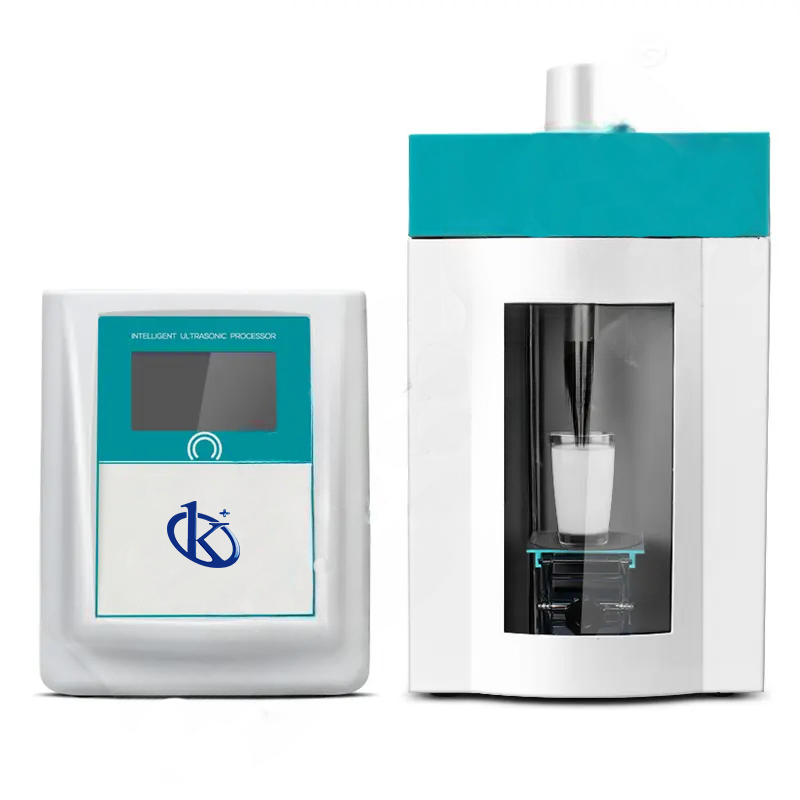
How to Integrate Ultrasonic Homogenizers with LIMS for Enhanced Data Digitalization
In the ever-evolving landscape of laboratory environments, the integration of ultrasonic homogenizers with Laboratory Information Management Systems (LIMS) represents a new frontier in data management and workflow efficiency. This integration not only streamlines processes but also enhances data accuracy and accessibility, allowing laboratory professionals to focus on what matters most: quality results.
Understanding Ultrasonic Homogenizers and Their Role in Laboratories
Ultrasonic homogenizers are essential tools used in laboratories for sample preparation, cell disruption, and emulsification. The technology utilizes high-frequency sound waves to create cavitation bubbles within a liquid medium, leading to effective homogenization. The benefits of ultrasonic homogenizers include improved sample reproducibility, reduced processing times, and better extraction of compounds, making them invaluable in fields like biochemistry, pharmaceuticals, and food science.
Importance of LIMS in Modern Laboratories
Laboratory Information Management Systems (LIMS) are integral for managing samples, associated data, and laboratory workflows. They facilitate automation, ensure regulatory compliance, and provide robust data management capabilities. By integrating with ultrasonic homogenizers, LIMS can offer real-time data collection, track processing parameters, and ensure that results meet predefined protocols.
Benefits of Integrating Ultrasonic Homogenizers with LIMS
The synergy between ultrasonic homogenizers and LIMS enhances laboratory efficiency and data integrity. Key benefits include:
- Real-Time Monitoring: Integration allows for the continuous monitoring of homogenization parameters, supporting process optimization.
- Data Traceability: All data generated during homogenization can be automatically logged and traced back to specific samples, ensuring compliance with industry standards.
- Reduced Errors: Automation minimizes human error, providing consistent results and reducing the need for manual data entry.
- Enhanced Reporting: Integrated systems facilitate comprehensive reporting and analysis, improving decision-making processes.
Key Considerations for Successful LIMS Integration
When planning for LIMS integration with ultrasonic homogenizers, several factors should be considered:
- Connectivity Protocols: Identifying compatible communication protocols such as HL7, ASTM, or REST is crucial for seamless integration.
- Implementation Costs: Evaluating the total cost of ownership, including software licenses and hardware requirements, helps in budgeting.
- User Training: Ensuring laboratory personnel are adequately trained on both LIMS and ultrasonic homogenizer functionalities is essential for maximizing efficiency.
- Data Security: Implementing security measures to protect sensitive data enhances compliance with regulatory standards.
Comparison of Available Models
| Model | Power (W) | Mixing Capacity (ml) | Price (USD) | Best for |
|---|---|---|---|---|
| YR05015 | 150 | 150 | 756.00 | Small samples |
| YR05016 | 250 | 300 | 882.00 | Medium samples |
| YR05017 | 650 | 500 | 1050.00 | High throughput |
| YR05018 | 900 | 600 | 1281.00 | Research applications |
| YR05019 | 1200 | 1000 | 1785.00 | Industrial use |
| YR05020 | 1800 | 1200 | 2058.00 | Advanced research |
Common Mistakes and How to Avoid Them
Integrating ultrasonic homogenizers with LIMS can be challenging. Here are common pitfalls and strategies to avoid them:
- Neglecting Compatibility: Always ensure that the homogenizer and LIMS software can communicate effectively.
- Underestimating Training Needs: Provide thorough training to all users to reduce operational errors and enhance efficiency.
- Overlooking Data Security: Implement security protocols to safeguard sensitive information from breaches.
- Ignoring Feedback: Regularly solicit feedback from users to identify improvement areas in the integration process.
Frequently Asked Questions
How can integrating ultrasonic homogenizers with LIMS improve data accuracy?
Integrating models like YR05019 with LIMS enhances data accuracy by automating the logging of processing parameters, reducing human error during data entry. This ensures that all results are consistently recorded and easily traceable, which is critical for compliance with laboratory standards.
What are the connectivity protocols needed for ultrasonic homogenizers to work with LIMS?
To effectively integrate ultrasonic homogenizers like YR05020 with LIMS, protocols such as HL7 or ASTM are typically required. These standards facilitate seamless communication and data transfer between devices, ensuring that all operations are synchronized.
Which ultrasonic homogenizer model is best for high throughput applications?
The YR05017 model is ideal for high throughput applications, offering a continuous power of 650W and a mixing capacity of 500ml. This model can effectively handle a greater number of samples, making it suitable for busy laboratory environments.
What are the costs associated with integrating ultrasonic homogenizers with LIMS?
Integration expenses can vary significantly, but models like YR05019, priced at 1785.00 USD, highlight the initial investment needed for high-performance equipment. Additional costs may include software licenses and training sessions for lab personnel.
How does LIMS help in compliance with laboratory regulations when using ultrasonic homogenizers?
LIMS supports compliance by ensuring that all operational parameters of ultrasonic homogenizers like YR05015 are logged and traceable. This documentation is essential for meeting regulatory requirements and facilitates audits or inspections.
What features should I look for in an ultrasonic homogenizer for seamless data integration?
When selecting an ultrasonic homogenizer such as the YR05018, look for features like touchscreen controls, PID control capabilities, and the ability to communicate with LIMS systems. These features enhance usability and data integration efficiency.
What maintenance practices are essential for ultrasonic homogenizers to ensure optimal performance?
Regular maintenance, including calibration and cleaning of models like YR05016, is crucial for optimal performance. Establishing a maintenance schedule helps in prolonging the equipment's lifespan and ensuring consistent results.
How can I ensure data security when integrating ultrasonic homogenizers with LIMS?
To secure data when integrating models like YR05020 with LIMS, implement strong user authentication and data encryption protocols. Regular security audits are also essential to identify vulnerabilities and enhance data protection measures.
If you are looking for a fusion of innovation and quality, you have come to the right place. At Kalstein, we offer you the luxury of exploring our exclusive catalog of laboratory equipment. We manufacture every device to the highest standards of excellence. Our intuitive and seamless online purchasing channels are designed for your convenience, securing the most competitive prices. Hesitate no longer — we bring science to life, it is time to become part of our community.