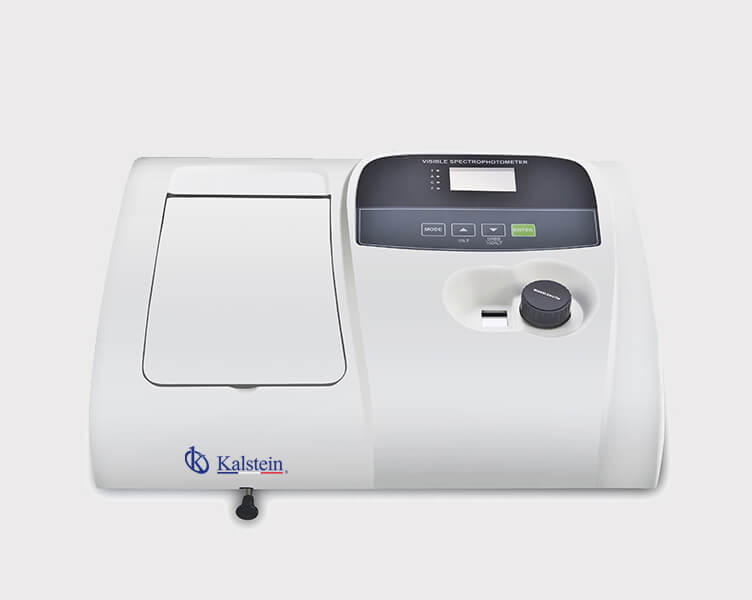
How to Integrate Unique Beam Spectrophotometers with LIMS for Enhanced Data Management
In the world of laboratory analysis, the integration of unique beam spectrophotometers with Laboratory Information Management Systems (LIMS) is a critical advancement that enhances data management and operational efficiency. This article will explore how such integration benefits laboratories, comparing various models available on the market while focusing on data flow digitization.
Understanding Unique Beam Spectrophotometers and LIMS Integration
Unique beam spectrophotometers are essential tools for measuring the intensity of light at different wavelengths. Their precise measurements are crucial in applications ranging from chemical analysis to quality control in various industries. However, the true potential of these instruments is realized when they are integrated with a LIMS, facilitating seamless data transfer and management.
Integration with LIMS offers numerous advantages, including real-time data access, automated reporting, and enhanced regulatory compliance. It allows for the centralization of data, making it easier for laboratory professionals to generate reports, track samples, and maintain compliance with industry standards.
Key Benefits of LIMS Integration
Integrating unique beam spectrophotometers with LIMS provides multiple benefits:
- Streamlined Workflows: The integration automates the data flow from spectrophotometers to the LIMS, reducing manual entry errors and saving time.
- Enhanced Data Accuracy: Automatic data import minimizes the risk of human error and ensures the accuracy of results.
- Regulatory Compliance: LIMS can help ensure that all data is stored in compliance with industry regulations, such as ISO 17025.
- Improved Data Accessibility: Users can access data from anywhere within the network, facilitating collaboration and decision-making.
Comparison of Available Models
| Model | Connectivity | Supported Protocols | Integration Effort | Best For |
|---|---|---|---|---|
| YR01844 | USB | Custom Software | Moderate | Basic labs needing direct data transfer |
| YR01845 | USB | Custom Software | Easy | Labs requiring multiple data outputs |
| YR01846 | USB | Custom Software | Moderate | High-accuracy applications |
| YR01847 | USB | Custom Software | Moderate | Multi-user environments |
| YR01850 | USB | Custom Software | Easy | Advanced spectroscopic studies |
| YR01853 | USB | Custom Software | Moderate | UV-VIS applications |
Common Mistakes and How to Avoid Them
When integrating unique beam spectrophotometers with LIMS, laboratories often encounter pitfalls that can compromise efficiency and data accuracy. Here are common mistakes and tips to avoid them:
- Neglecting Training: Ensure all staff are trained on both the spectrophotometer and LIMS usage to maximize the benefits of integration.
- Inadequate Testing: Perform thorough testing post-integration to confirm that data flows correctly and is accurately represented in the LIMS.
- Ignoring Compliance Requirements: Stay updated on compliance regulations, such as those mandated by ISO 17025, to avoid costly non-compliance errors.
How Data Integration Enhances Accuracy and Efficiency
Data integration between unique beam spectrophotometers and LIMS enhances accuracy through several mechanisms. Automated data capture reduces potential human errors in data entry, while robust validation protocols ensure that the data transferred is complete and accurate. Regular calibration and maintenance of the spectrophotometers also play a crucial role in maintaining data integrity, particularly for models like the YR01846 and YR01853, which are designed for high-precision work.
Best Practices for LIMS Integration
For successful integration of unique beam spectrophotometers with LIMS, consider the following best practices:
- Choose Compatible Models: Select spectrophotometers that have established compatibility with your LIMS.
- Involve IT Early: Engage IT professionals in the initial stages to ensure smooth integration and data flow.
- Document Everything: Maintain comprehensive documentation for all integration processes and protocols for troubleshooting and compliance.
Frequently Asked Questions
How can I ensure my unique beam spectrophotometer is LIMS compatible?
To ensure compatibility, you should check the specifications of your unique beam spectrophotometer, such as the YR01844, and confirm that it supports data transfer protocols that your LIMS utilizes. A thorough review of the integration capabilities and possible software solutions is essential.
What are the key features to look for in a unique beam spectrophotometer for LIMS integration?
When looking for key features, consider models like YR01850 that offer USB connectivity, automatic wavelength adjustment, and robust data output options. These features facilitate easier integration with LIMS and enhance utility in laboratory workflows.
How does LIMS integration impact data accuracy in spectrophotometry?
LIMS integration significantly impacts data accuracy by automating data capture, reducing human errors associated with manual entries. With models such as YR01846, the data is directly transmitted to the LIMS, ensuring real-time accuracy and compliance with standards.
What regulations should laboratories consider for LIMS integration with spectrophotometers?
Laboratories should consider regulations like ISO 17025, which outlines requirements for laboratory testing and calibration. Integrating spectrophotometers such as YR01853 with LIMS can aid in maintaining compliance by ensuring systematic data management and traceability.
What are the common challenges when integrating LIMS with spectrophotometers?
Common challenges include ensuring software compatibility, managing data integrity during transfer, and training staff adequately. Utilizing user-friendly models like YR01845 can help mitigate these challenges and streamline the integration process.
How can I evaluate the ROI of integrating a unique beam spectrophotometer with LIMS?
To evaluate ROI, consider factors such as increased throughput and reduced error rates. For instance, integrating a YR01850 model may lead to faster data reporting times, which can be quantified in terms of cost savings and improved lab efficiency.
What are the key maintenance practices for spectrophotometers after LIMS integration?
Key maintenance practices include regular calibration, software updates, and routine checks for data accuracy. For instance, models like YR01847 often require systematic calibration to ensure ongoing precision in measurements post-integration.
How does the integration process typically unfold for unique beam spectrophotometers?
The integration process generally involves assessing compatibility, establishing connectivity protocols, testing data flow, and training staff. Utilizing models such as YR01844 can simplify the initial setup due to their intuitive design and user-friendly interfaces.
If you are looking for a fusion of innovation and quality, you have come to the right place. At Kalstein, we offer you the luxury of exploring our exclusive catalog of laboratory equipment. We manufacture every device to the highest standards of excellence. Our intuitive and seamless online purchasing channels are designed for your convenience, securing the most competitive prices. Hesitate no longer — we bring science to life, it is time to become part of our community.